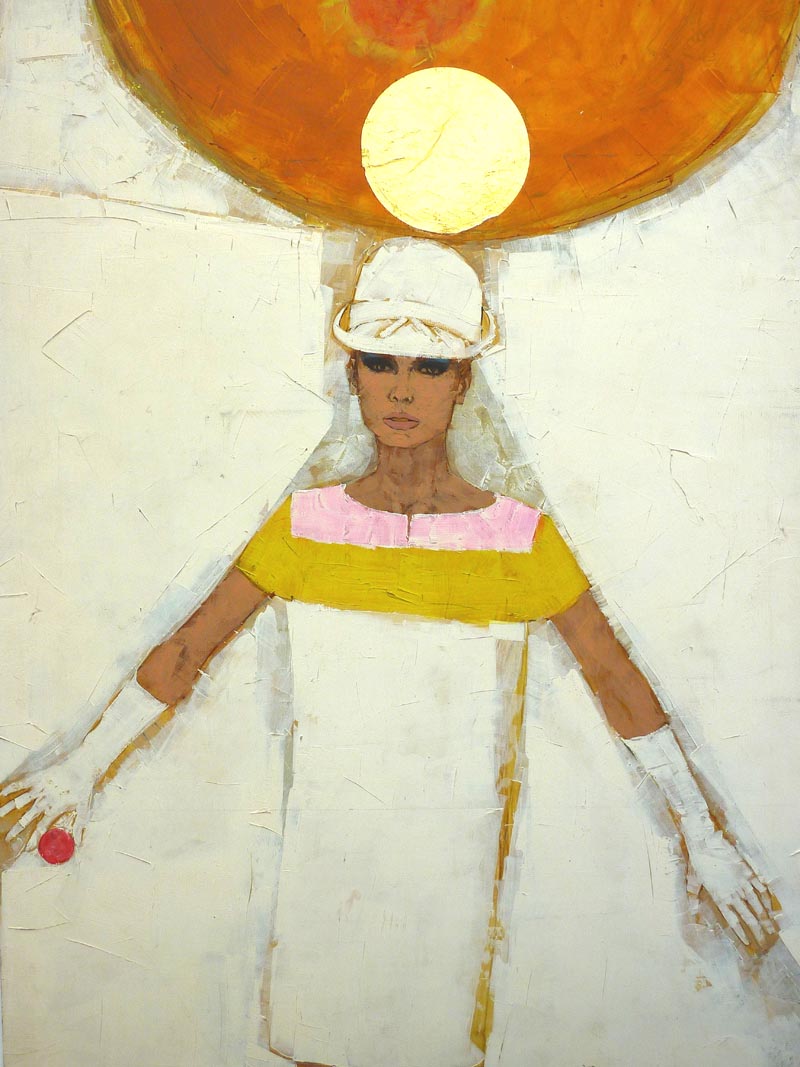
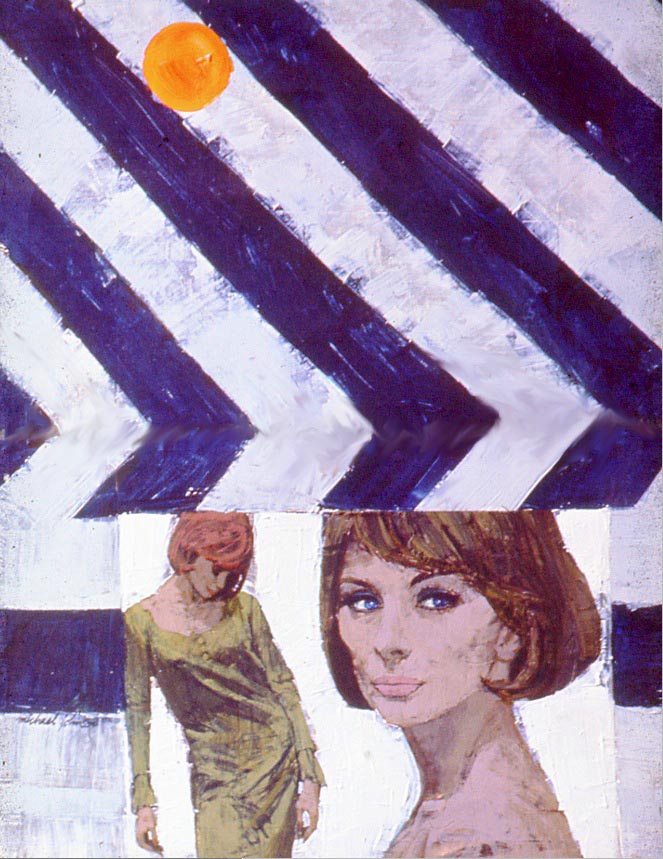
Showing posts sorted by date for query walter wyles. Sort by relevance Show all posts

Thursday, September 27, 2012

illustrators Magazine: Previewing Issue #4

Guest author Peter Richardson concludes this week's series describing how the newly launched illustrators, a quarterly magazine celebrating the greatest UK and European illustration of the past 150 years, came to be.

David Ashford is our other consultant editor, and although he may be less familiar to followers of Today’s Inspiration, he is nonetheless as passionate about illustration, and is doggedly determined in his researches as David Roach. David Ashford penned the feature on the life and art of UK ‘hard-boiled- artist’; Denis McLoughlin, which leads off our first issue.
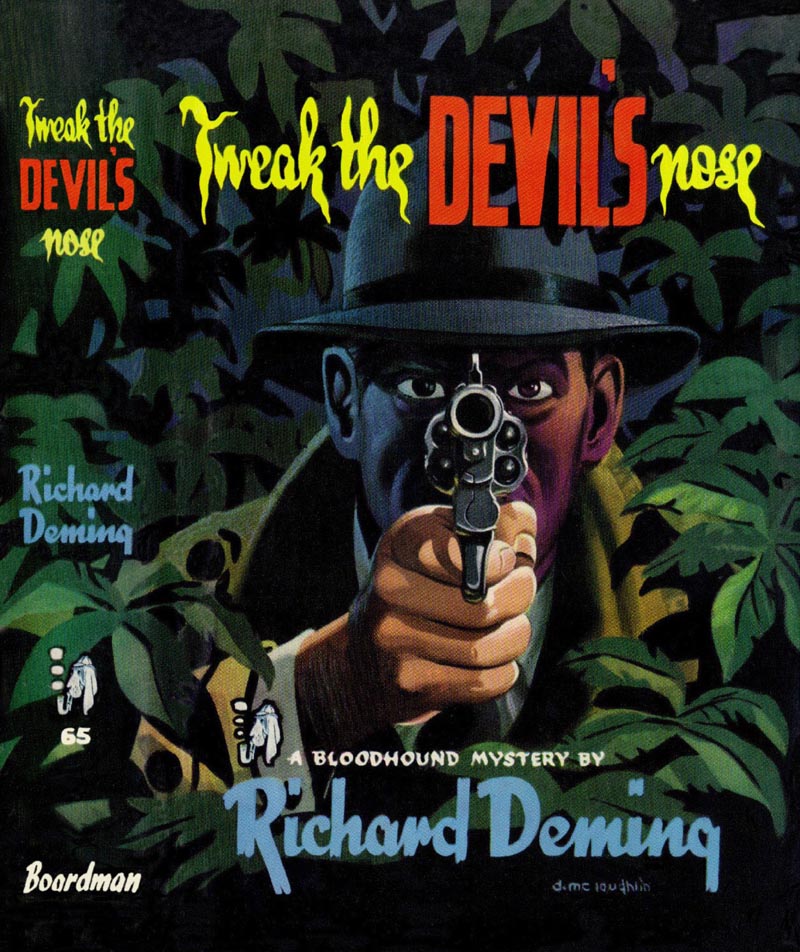
McLoughlin01

It is a truly compelling read, and an embodiment of our intent with illustrators, that writers should invest their features with real insight, putting the reader in touch with both the personality of the artist, as well as the quality of their artwork. David’s love of illustration brought him into contact with many of the editors and artists whose work he had followed and as a consequence, he is able to bring his subjects to life in a way that trawling through Google can never achieve. This is particularly apparent in David’s feature on Denis McLoughlin, who he befriended over many years, and is the subject of his recently published biography; The Art of Denis McLoughlin.
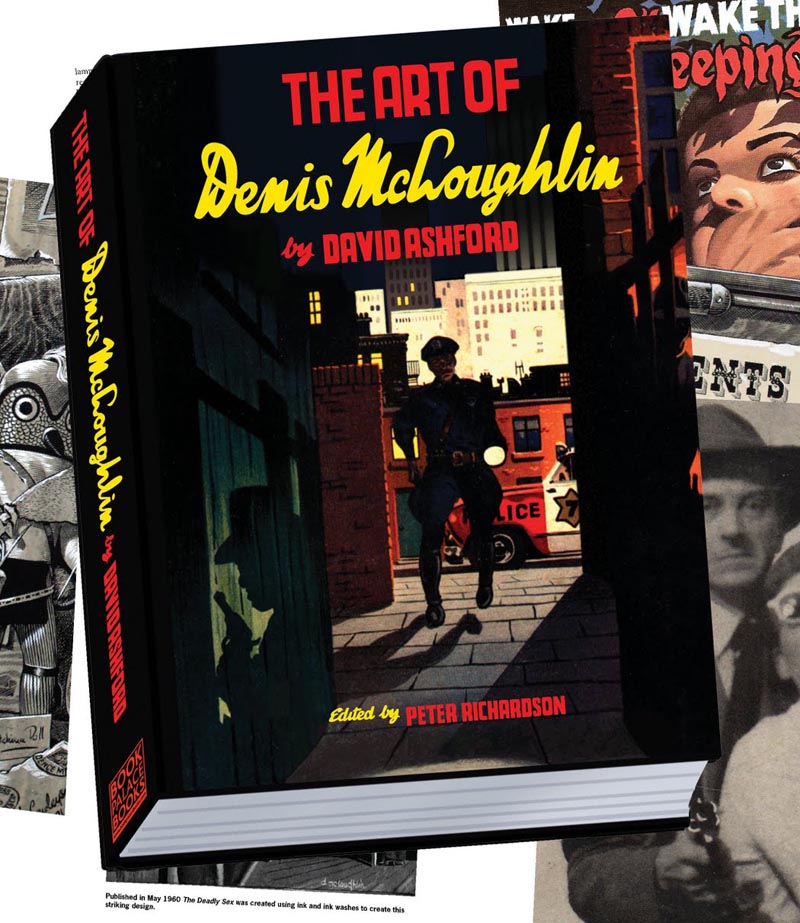
Illustrators33

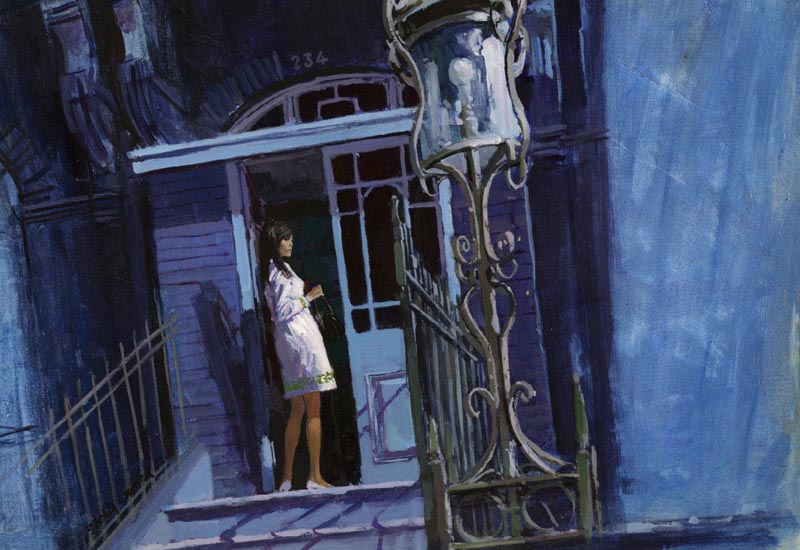
We also have the advantage of access to some truly stunning pieces of original artwork, which are providing us with scans, which reveal every subtle nuance and accent of an artist’s brushwork. We have had an enormous amount of enthusiastic assistance from galleries and collectors, who have provided us with some fabulous material which we can now share with an audience, way beyond the privileged few who have hitherto been privy to exclusively seeing these artworks in their raw beauty.
Illustrators34

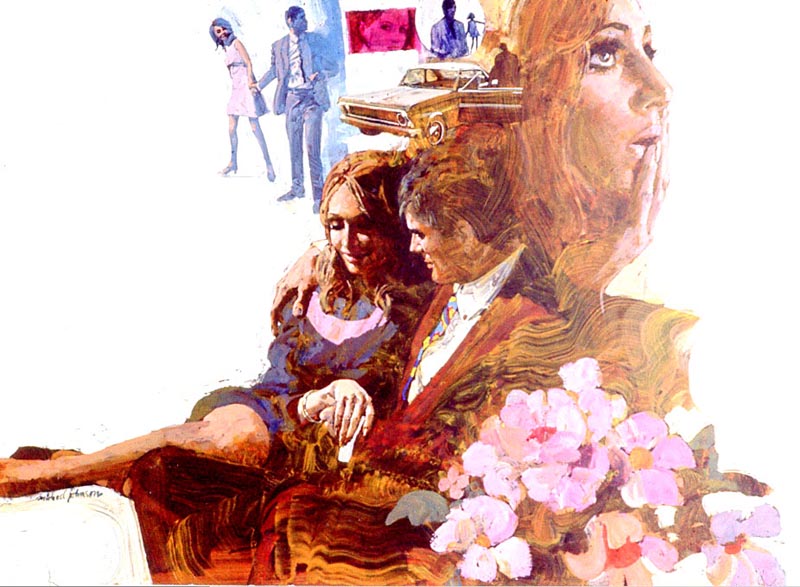
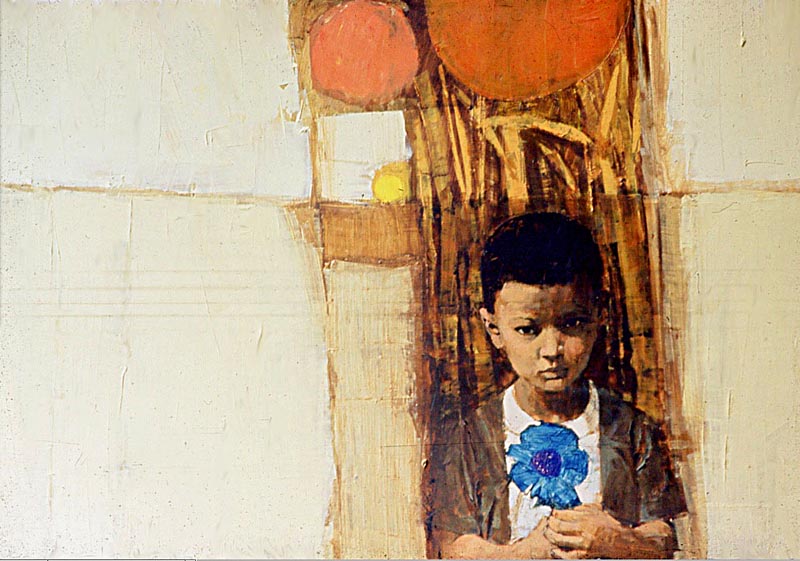
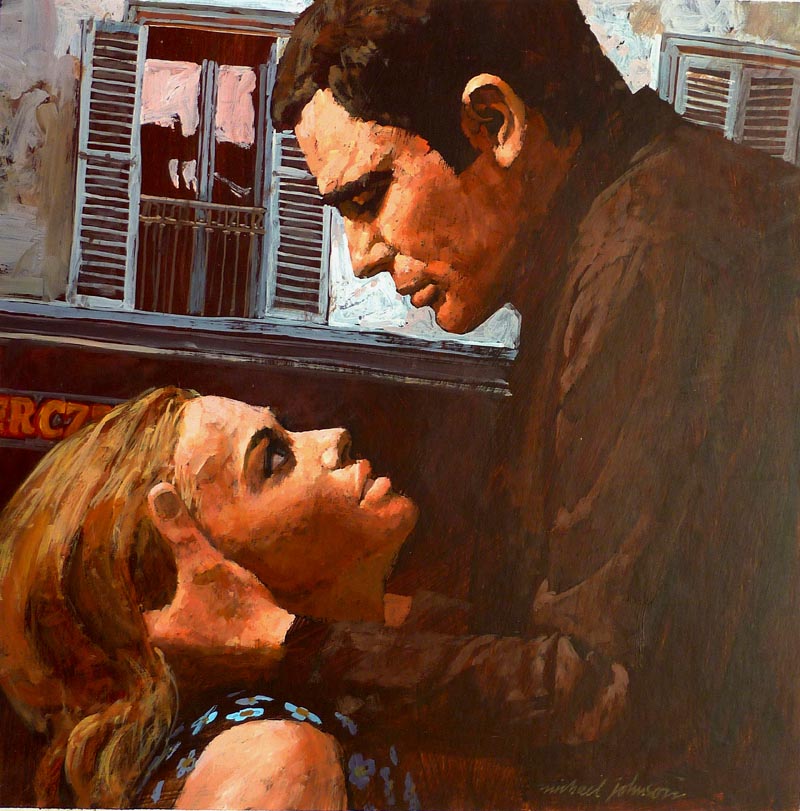
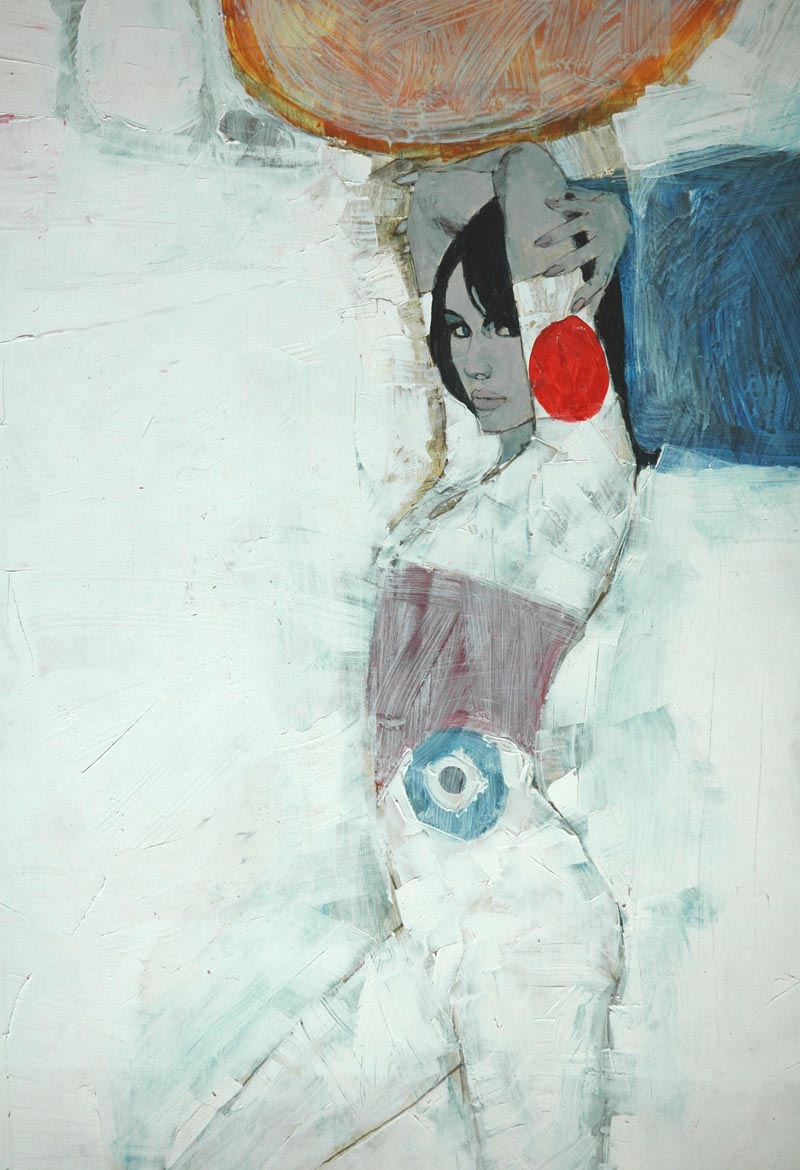
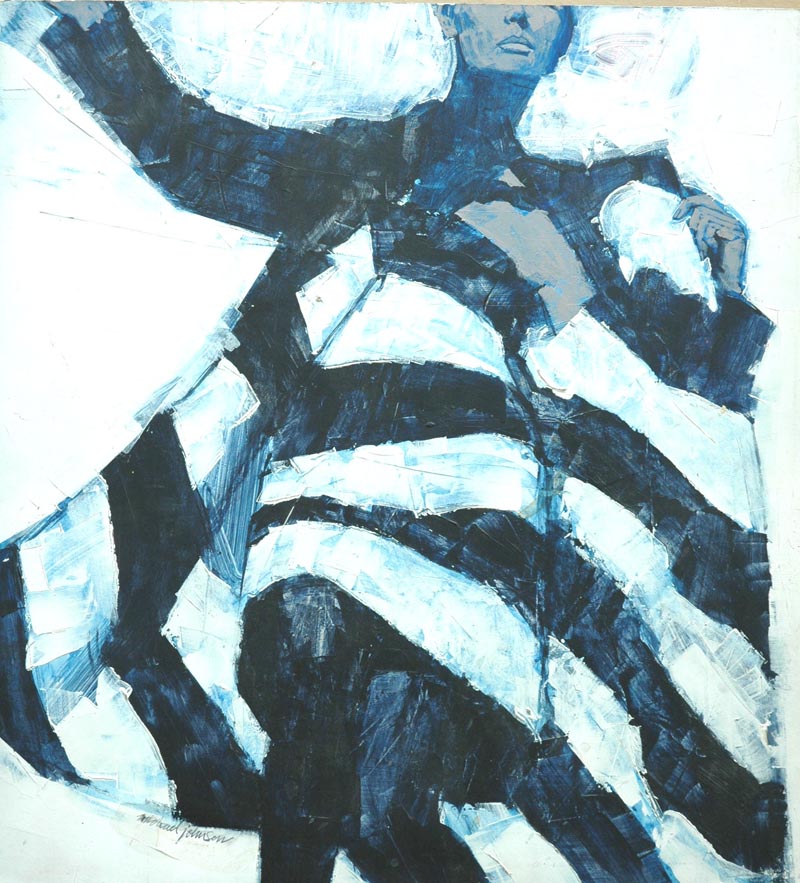
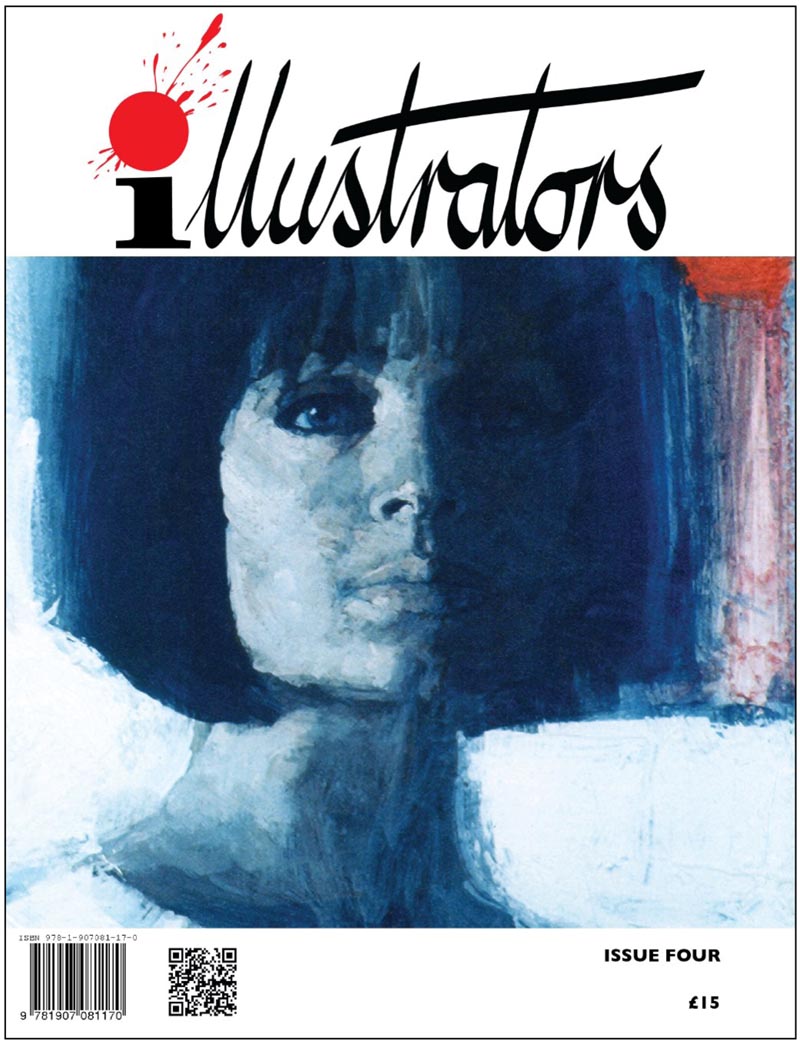
Issue 4 of illustrators, is also starting to shape up very nicely; we have a lead feature by Bryn Havord on the work of Michael Johnson, whose fabulous work epitomised the “Swinging Sixties”, and who was featured by Today’s Inspiration for a week which started on Monday, June 04, 2012.
Illustrators27

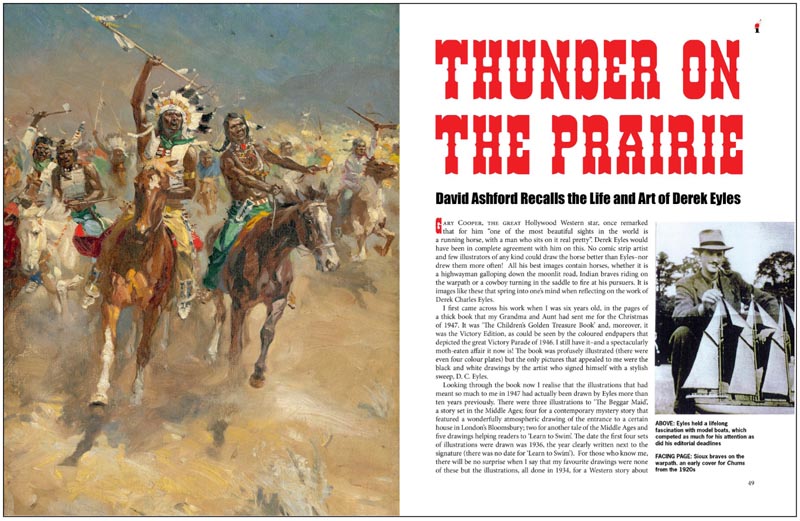
We are also taking a look at the work of gentleman illustrator Derek Eyles whose passion for building and sailing model boats was often at variance with his editor’s desire to maximise his hours at the drawing board as he brought to life scenes from the Wild West in his artwork for such publications as Kit Carson’s Cowboy Annual and Chums magazine.
Illustrators28

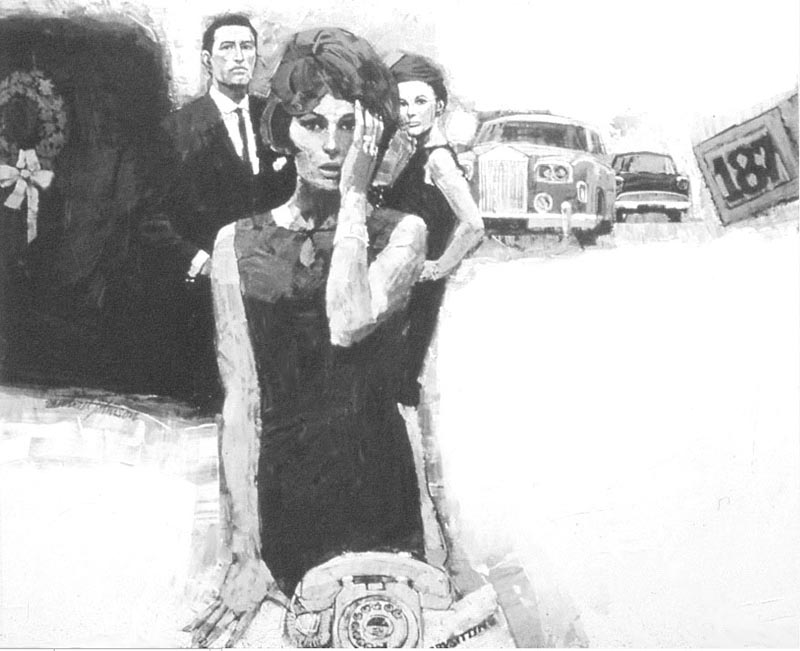
For future issues of illustrators we have features on Brian Sanders...

Illustrators30

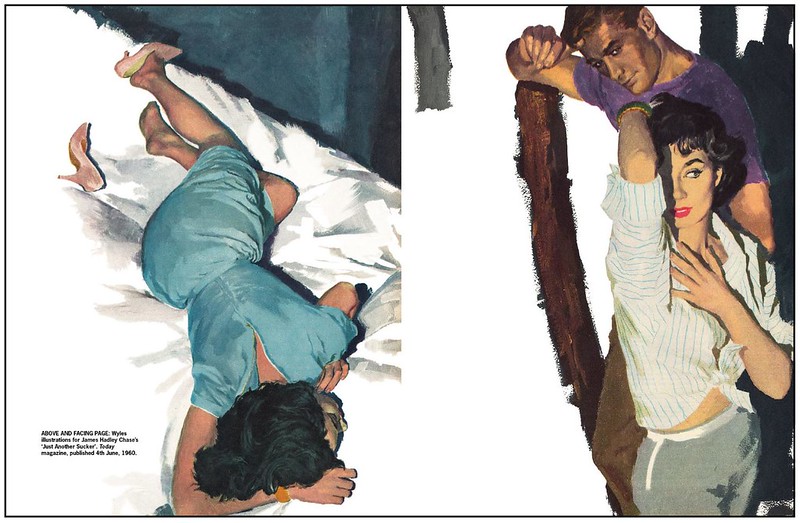
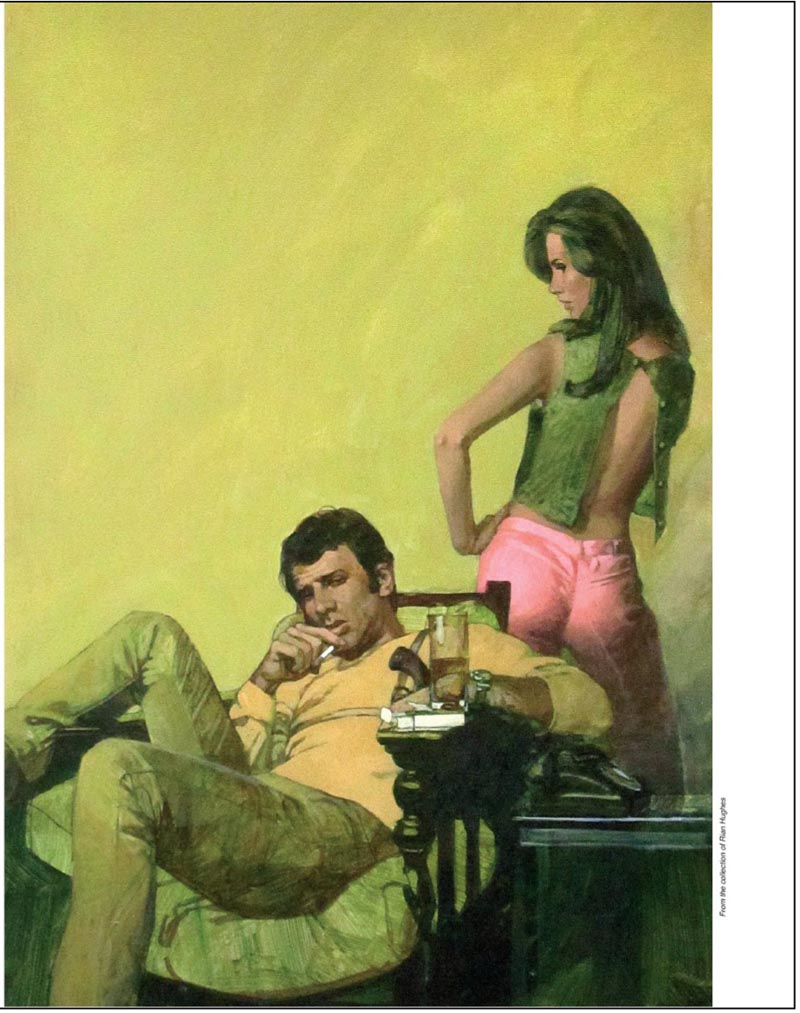
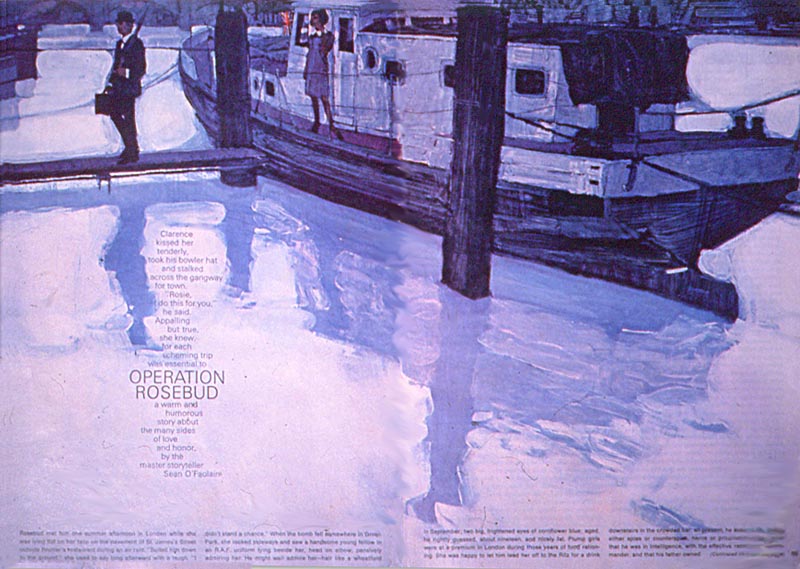
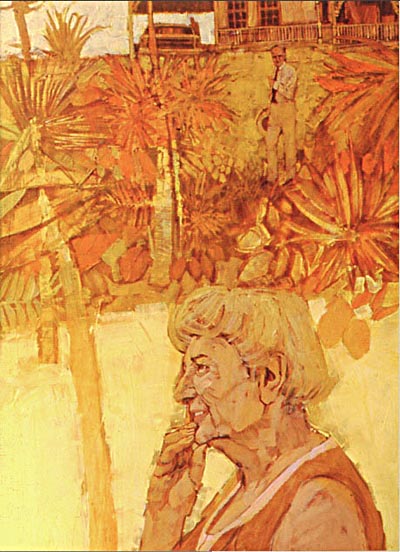
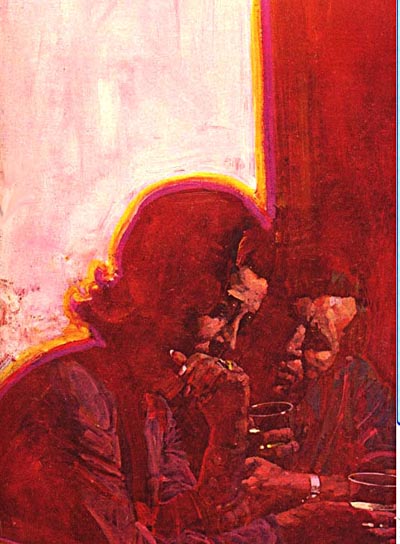
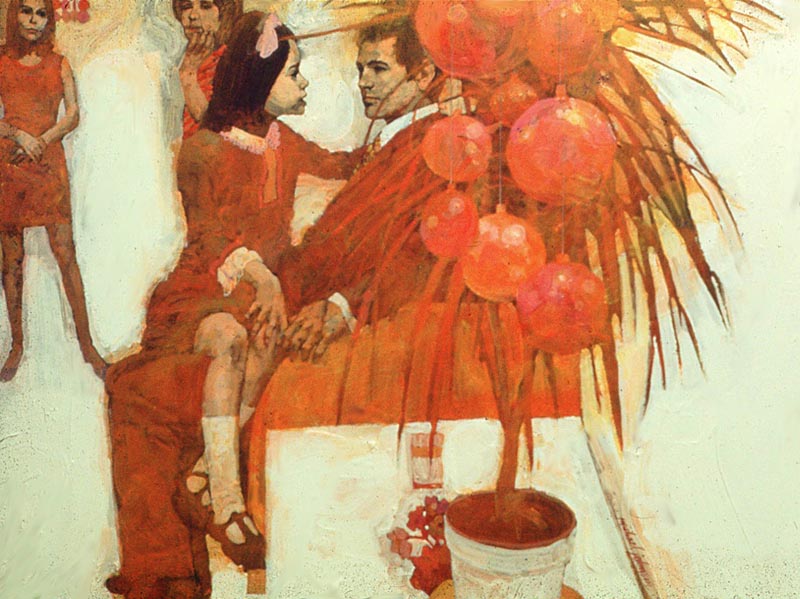
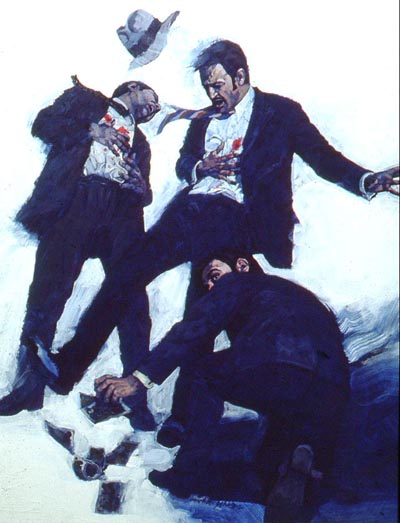
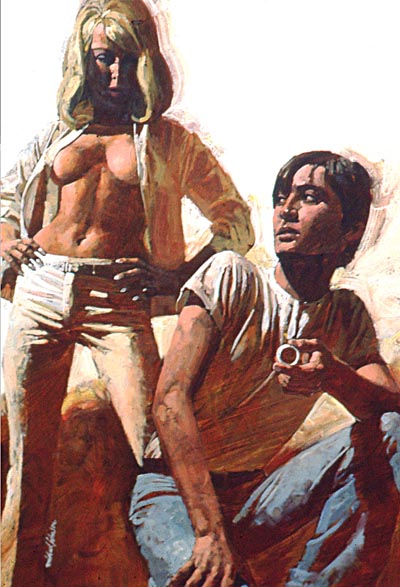
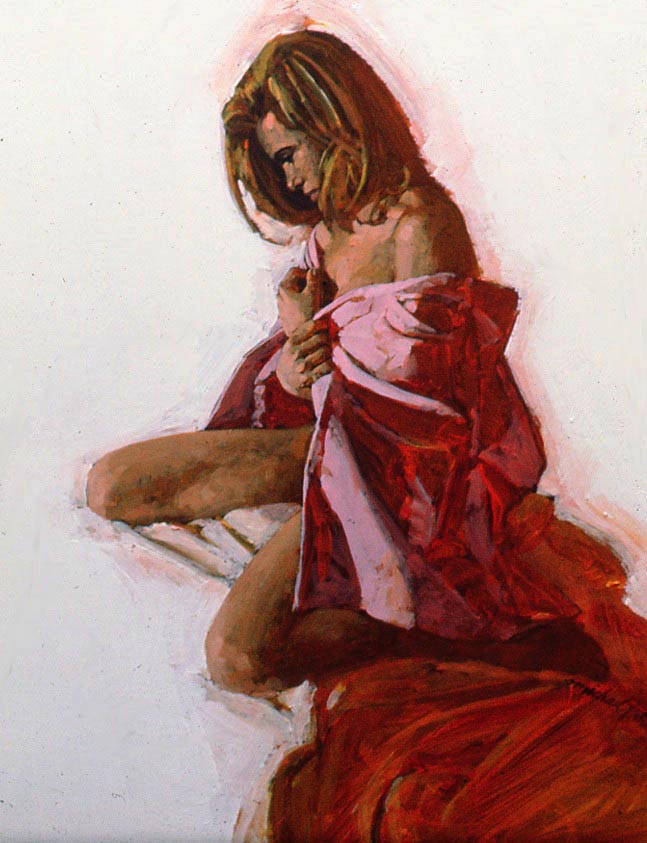
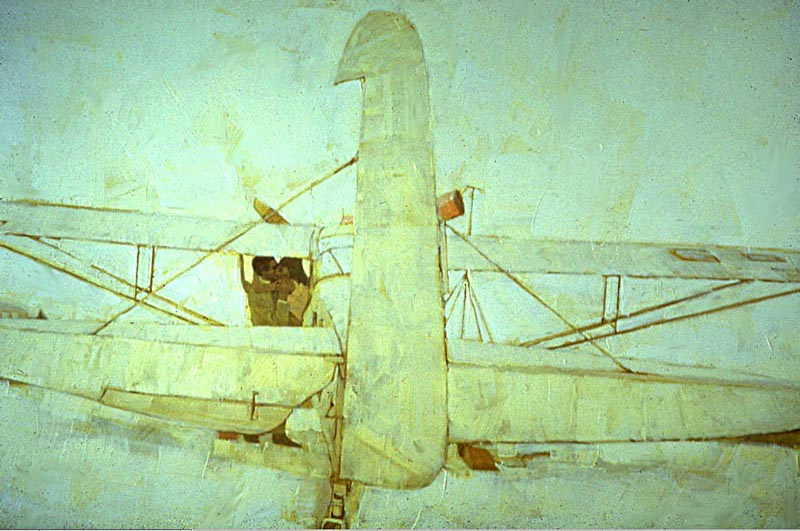
... Walter Wyles...

Illustrators29

... Mick Brownfield...

Illustrators31

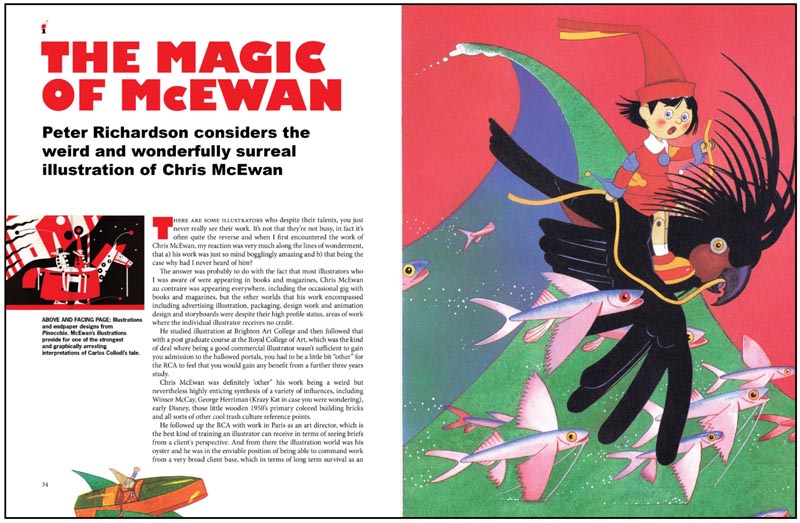
... Chris McEwan...

Illustrators32

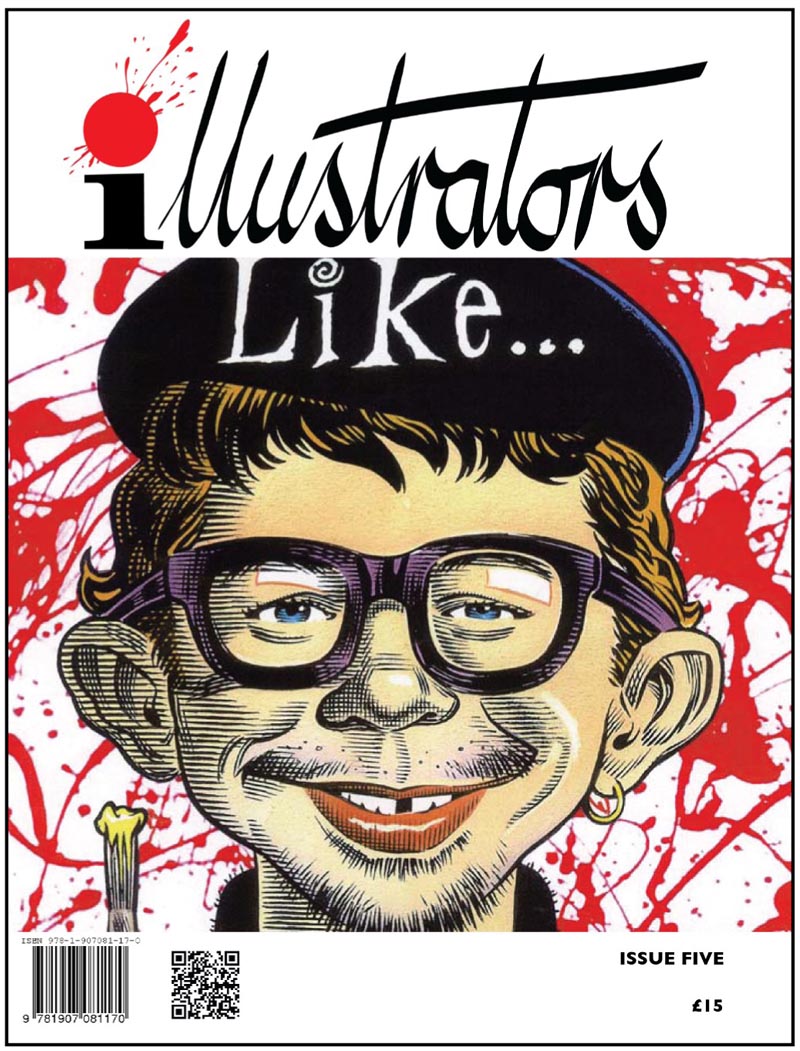
... and illustrators agents such as Bardon Artists and Artist Partners lined up. So there is plenty more in store for our readers and we hope you will join us for the journey—it should prove to be eventful and illuminating.

You can order illustrators magazine at illustratorsquarterly.com

Tuesday, September 25, 2012

illustrators Magazine: Previewing Issue #2

Guest author Peter Richardson continues this week's series describing how the newly launched illustrators, a quarterly magazine celebrating the greatest UK and European illustration of the past 150 years, came to be.

The first task was to come up with a design format and a logo or masthead which would encapsulate our spirit and intent.

Illustrators11

We eventually refined what we felt was a memorable and eye-catching logo, whilst embodying the clean, authoritative, and inviting layouts that should be an integral part of the reading experience. We are committed to the principle that if the reader is distracted by too busy and self-important page designs, then they are not going to be in thrall to the artwork and accompanying text. This for all the team is an absolute priority.

Illustrators16

Speaking of the team, we are really privileged to have an incredibly talented and motivated group of artists and writers, working as part of our editorial staff. A couple of them will already be familiar to followers of Today’s Inspiration. Our associate editor Bryn Havord was an award-winning art director in the 1960s and 1970s, who helped revolutionize the look of periodicals during those heady days. He started doing general studio work on Eagle comic and within a few years was art director and associate editor at Woman’s Mirror, commissioning the likes of Michael Johnson, Walter Wyles, and Renato Fratini, to create truly amazing double page spreads which were seen by millions of readers, and helped to define the look of the era.

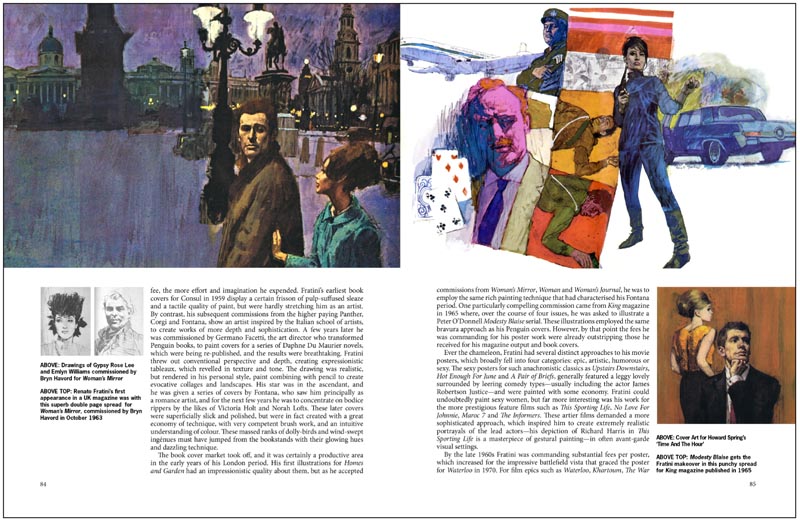
(Below; a spread from issue two's feature on Renato Fratini. On the left page, the first commission that Bryn Havord gave Fratini when Bryn was working as art editor at Woman's Mirror.)Illustrators13

Aside from his terrific editorial input into each issue, Bryn has remained in contact with some of these artists, and has a wealth of insights and stories to tell about the way they worked. We have features by Bryn on Michael Johnson, Walter Wyles, Brian Sanders, and the cartoonist Peter Maddocks which will be appearing in future issues.


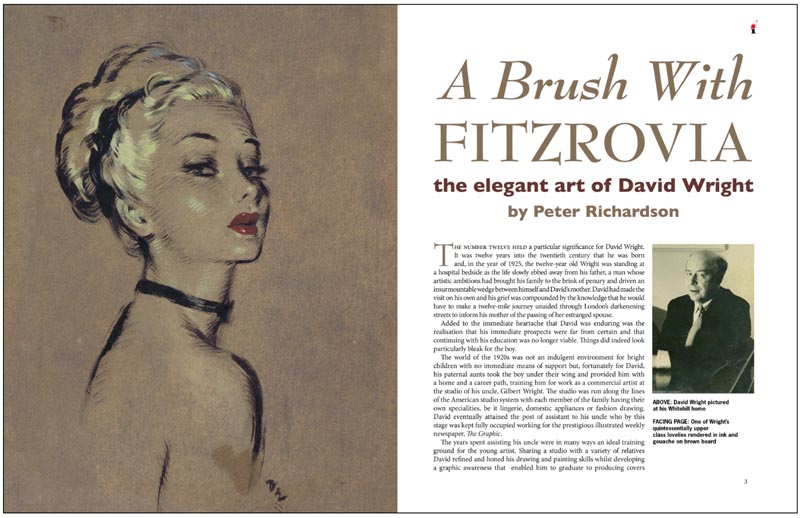
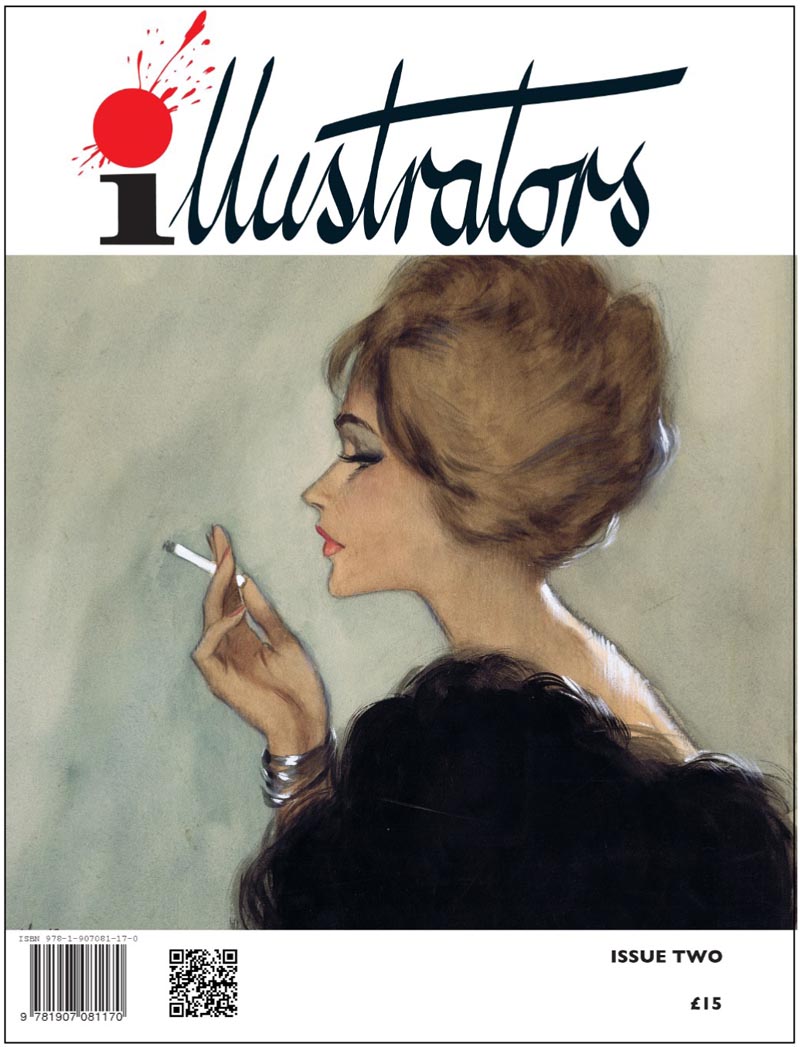
In the second issue of illustrators, we takes an in depth look at the work of David Wright, whose work graces the top of this post. In addition to being the creator of the largely forgotten but exquisite Carol Day strip, Wright was also a painter and illustrator of glamorous women who exuded style and hauteur in an era when such qualities were at a premium.

Illustrators12

Our next feature is a look at the life and art of Cecil Doughty, whose historical illustrations graced many a children's periodical over a career spanning over half a century.

Illustrators18

Other features include a look at the animal artistry of Raymond Sheppard...

Illustrators14

... and David Roach takes a look at the outstanding work of Renato Fratini...

Illustrators17

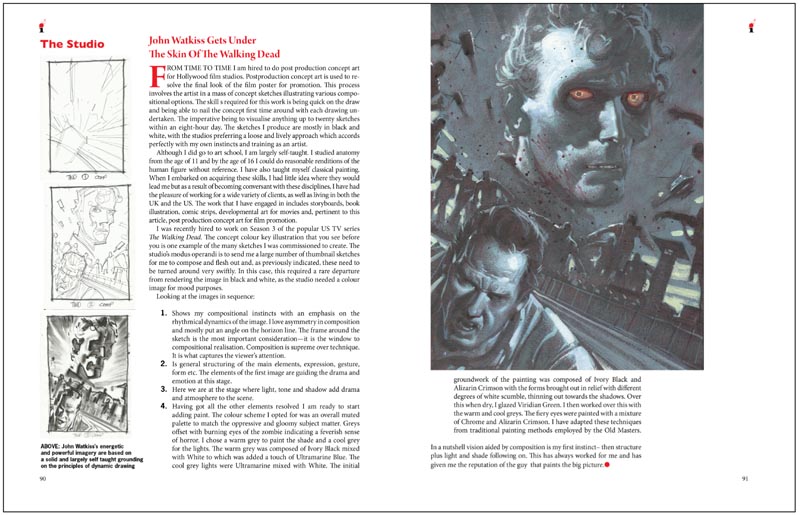
... as well as a piece by John Watkiss, describing how he goes about creating concept art for The Walking Dead.

Illustrators15

You can order illustrators magazine at illustratorsquarterly.com
Friday, June 08, 2012

Michael Johnson: "I looked forward to being surprised, and always delighted, with what he produced."

Guest author Bryn Havord introduces the early work of English illustrator Michael Johnson, covering the decade of his work, from the end of 1959 to 1970.

Mike and I worked together on many projects over the years. I used to read the stories, decide with the editor where the weekly breaks would come; tell Mike what they were, and what space he would get for each instalment. I never asked for roughs for two reasons: he was talented enough to make the decisions as to what would be suitable, and selfishly I looked forward to being surprised, and always delighted, with what he produced.

Johnson46(Above: a 1960s image courtesy of Mike's long-time reps, Artist Partners)

During a trip to New York City in 1965, I showed Bill Cadge, the art director of Redbook magazine, some transparencies of Mike’s work. Bill had a story about a couple living on a houseboat in London, and he immediately commissioned Mike to paint the illustration for the story.

Johnson37(Mike’s first commission for Redbook magazine in 1965.)

Mike was never overly impressed or influenced by the work of others, although he was always generous in his praise of what they were doing, if it was good and out of the ordinary. He was, of course, impressed with the likes of Bernie Fuchs, Bob Peak and Robert Heindel.

Johnson38
Johnson39
(I greatly admired the work of Joy Hannington, who was the art director of Homes and Gardens. In particular, the way she encouraged illustrators, giving them considerable freedom to work in the way which most suited them. Mike produced the four illustrations - two shown above and two shown below - for her during the mid to late ’60s.)
Johnson41
Johnson40

In 1969, Mike went to the USA, and on the strength of the work he had done for Redbook, he obtained work from McCall’s, Cosmopolitan, Woman's Day and Sports Illustrated.

Johnson43
Johnson44
(Above: two paintings produced for the German magazine Stern towards the end of the ’60s, illustrating a series of books by Harold Robbins.)

Johnson45(Above: This illustration was produced in 1969, and is an example of the trend towards more detailed and highly finished work, that the clients were starting to demand from the illustrators.)

In a career spanning over fifty years Mike’s work, in addition to illustration for magazines, has encompassed just about every area of the illustrative arts ranging from industrial design, book publishing, painting, and sculpture; including commissions to paint portraits. He has also been involved in industrial design, aerodynamics, aircraft and glider design.

Johnson42(Above: A cover painted for Corgi Books at the end of 1969.)

In 1975, Mike went to live in the south of France, where he still lives and works every day. We'll return to examine Mike's career from 1970 to 1990 at a later date.


* Bryn Havord was assistant art director of Woman magazine in the late '50s and early '60s. From 1963 to 1965 he was associate editor and art director of Woman's Mirror; both of which were published in the UK. During that time he commissioned work from all the leading British Illustrators including Michael Johnson, Brian Sanders, Walter Wyles, Eric Ernshaw and Gerry Fancett.

Thursday, June 07, 2012

Michael Johnson: The 1970s, a challenging decade

Guest author Bryn Havord introduces the early work of English illustrator Michael Johnson, covering the decade of his work, from the end of 1959 to 1970.

The 1970s proved to be a challenging decade for every illustrator in Britain trying to pursue a career in magazine illustration. Work became harder to find on both sides of the Atlantic, but the market for paperback book cover illustration remained buoyant in the UK, although more and more photographic cover illustrations were being used.

Johnson28(Cover for Corgi Books. The model was Sue Longhurst.)

My wife and I visited Mike and his then girlfriend Rosie for dinner, and they came to us in our cottage on the edge of Putney Heath in south-west London. We also went out to lunch together fairly regularly.

Johnson30(Double page spread for Woman’s Own.)

We were friendly with Renato Fratini who worked in an old purpose built studio in London's Kensington district. Renato worked with a group of other illustrators, mainly Italians, and we all had a lot of fun. We all modelled for each other if the clients were too mean to pay for professional models.

Johnson31(Double page spread for Homes and Gardens magazine. The models for this painting were fellow illustrators Enzo Ragazzini and Renato Fratini, and Mike’s girlfriend Rosie in the chair.)

In the late sixties and early seventies Mike continued to work for magazines and book publishers including Penguin, Pan, Granada, Collins, Fontana, Panther, and Readers Digest (London and New York).

Johnson29(Another 2 and 3D combination painted for a Penguin book cover.)

I thought Mike had an enormous talent, and was particularly privileged one day when I went to his apartment to collect him for a lunch date, and watched him paint an illustration for Readers' Digest: it took him an hour!

Johnson32(Double page illustration for Woman’s Own magazine.)

He also won a contract with German advertising agency H.B.U. Dusseldorf, as consultant art director and illustrator, working on experimental three-dimensional painting and sculpture artworks used in market research.

Johnson36

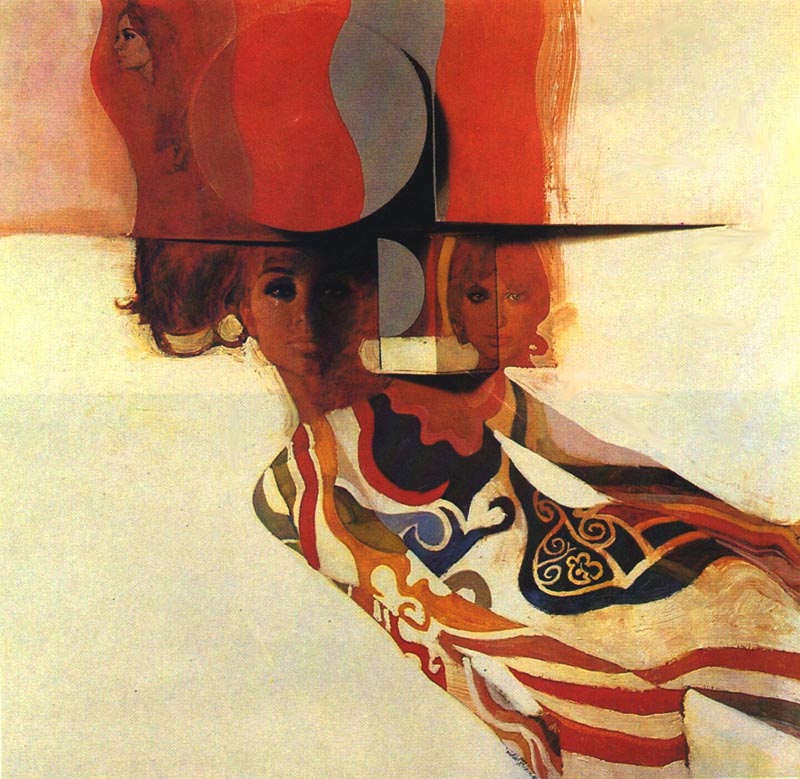
(The painting above was produced as a print entitled Carolyn by Frost and Reed. It was another 2 and 3D combination, with the top panels extending forward from the main 2D image, and the centre-piece next to Carolyn’s head rotated to show separate images, as depicted in the two details below.)

Johnson35

Mike continued to have his work published as posters by Frost and Reed, Paul Hamlyn and Scandecor in Sweden.

Johnson34
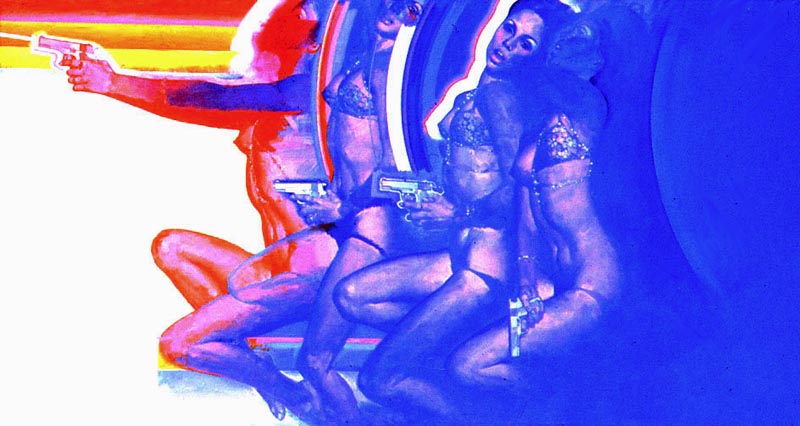
(In the mid-sixties posters reproduced from illustrations were very popular. The illustration above, a portrait of the model Jane Lumb was made for Frost & Reed, one of the leading poster publishers. The illustration below was published by an offshoot of Prints for Pleasure. The brief was “James Bond girl with gun”.)

Johnson33


Concluded tomorrow

* Bryn Havord was assistant art director of Woman magazine in the late '50s and early '60s. From 1963 to 1965 he was associate editor and art director of Woman's Mirror; both of which were published in the UK. During that time he commissioned work from all the leading British Illustrators including Michael Johnson, Brian Sanders, Walter Wyles, Eric Ernshaw and Gerry Fancett.

Wednesday, June 06, 2012

Michael Johnson: Energy, Ability and Experimentation

Guest author Bryn Havord introduces the early work of English illustrator Michael Johnson, covering the decade of his work, from the end of 1959 to 1970.

Mike lived and worked in a large apartment in London’s Chelsea district, and with its white walls and modern furniture, it was very much in the mood of the times. By now, in addition to his Jaguar, Mike also owned a Lotus, which he raced professionally, achieving twelve wins, two seconds, and one third.

Johnson20(Illustration for Woman’s Own magazine.)

Women’s magazine illustration was at its height at this time.

Johnson22(The second part of a ten part serial that I commissioned when I was art director of Woman’s Mirror. Unfortunately the full-colour opening spread has disappeared without trace. The main model was Nancy Egerton.)

One of Mike’s major clients was Woman magazine, which, under the brilliant editorship of Mary Grieve, and with George (Tiny) Watts as art editor, was the world’s greatest selling weekly magazine for women, with weekly sales of 3.5 million. We could have sold more, but didn’t have the printing capacity to produce more copies. Its sales are now down to around 275,000 copies every week.

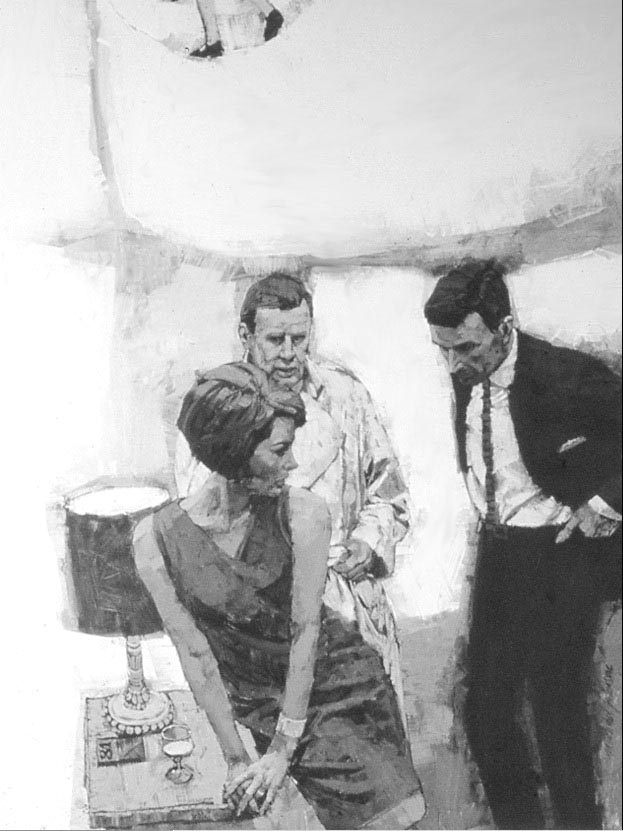
Johnson23(The third part of the Woman’s Mirror serial. I thought that these were the best monochrome illustrations that Mike had ever produced.)

The early to mid-sixties had been a period of exciting artistic experimentation for many of the illustrators...

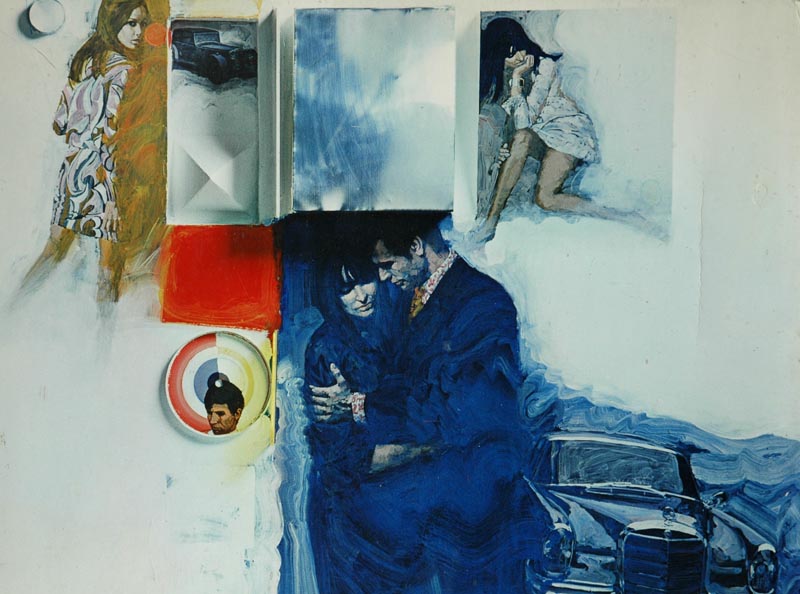
Johnson24(During the ’60s, Mike was producing a lot of work, which was three dimensional, as well as the usual two-dimensional paintings. In this illustration the shapes above the couple in the clinch was a box and panel made of polished aluminum, which were then painted on. The circular shape on the left was also a 3D structure.)

... but by the end of the decade the readers were starting to disappear. The commercial television companies started to obtain larger portions of the available advertising revenue, and newspaper and magazine page counts went down.

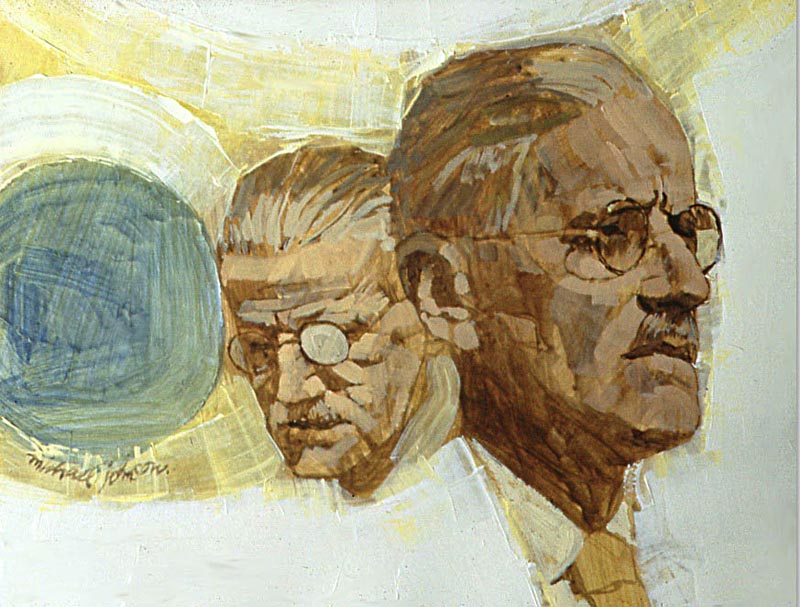
Johnson21(A double portrait of James Joyce painted for Hodder and Stoughton.)

In common with the illustrators working in the USA, the illustrators working in the United Kingdom started to feel the pinch. There was a decline in the interest in fiction in women’s magazines, and for some reason art directors and art editors started asking the illustrators to produce more highly finished work, and they increasingly turned to photography instead of illustration.

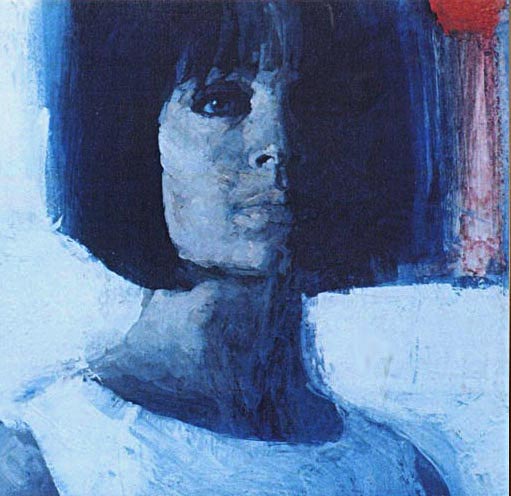
Johnson27(One of my favourites: a private portrait commission.)


In common with all illustrators, Mike wasn't very pleased about this. He wasn't worried, just annoyed at they way things were changing.

Johnson26(An unusual illustration for Homes & Gardens magazine.)

Mike has tremendous energy, and always had great faith in his ability. However, he felt the need to create new markets for himself and prepared experimental work on a speculative basis.

Johnson25
(A private commission for a charity sale run by Sybilla Edmondstone, the Chicago heiress, who had Sybilla’s Club in London’s West End named after her. Another of Mike’s 2 and 3D combinations. Frost and Reed later published the painting as a print.)

The three lovely illustrations presented to Willie Landels, which were shown in yesterday's post, were part of this process of experimentation.

Continued tomorrow

* Bryn Havord was assistant art director of Woman magazine in the late '50s and early '60s. From 1963 to 1965 he was associate editor and art director of Woman's Mirror; both of which were published in the UK. During that time he commissioned work from all the leading British Illustrators including Michael Johnson, Walter Wyles, Brian Sanders, Eric Ernshaw and Gerry Fancett.

Tuesday, June 05, 2012

Michael Johnson: Into the “Swinging Sixties”

Guest author Bryn Havord introduces the early work of English illustrator Michael Johnson, covering the decade of his work, from the end of 1959 to 1970.

Mike’s ambition was to break into the international illustration world, and a year later he went to London and worked for Carlton Artists, which was run on the lines of New York’s Cooper Studios. The company specialized in design, illustration and photography, and was the largest studio in Europe.

Johnson11(Above: Cover illustration for Four Square Books.)

A year later he was introduced to Joan Farmer, who was setting up as an artists’ agent. She asked Mike if she could represent him.

Johnson13(Above: Illustration for a Sphere book cover with model Maggie Lorraine. The two illustrations above and the last one in yesterday's post have the same look about them as the illustrations Mike did for me at Woman’s Mirror. They had a nicely sculptured look as if he had picked up a chisel, instead of a paintbrush.)

Joan introduced Mike’s work to all the leading magazines, and got him advertising commissions, one of which was working on the Kellogg account. The ubiquitous red London double-decker buses were covered with his paintings, attempting to entice the citizens of the capital to partake of Kellogg’s Sunshine Breakfasts.

Johnson14(Above: Book cover for Hodder and Stoughton. The model was Maggie Lorraine. Below: Another book cover for Hodder and Stoughton. The male model for this painting was our friend, the illustrator Renato Fratini.)

Johnson15

The same agency handled the Courtaulds account, and Mike was commissioned to illustrate a series of advertisements by the art director Willie Landels, who later became the editor of Harpers&Queen magazine.

Johnson18(Above and below: Three paintings that were shown to Willie Landels who was the editor and art director of Harpers & Queen magazine, but were never published.)

On the 31st of December 1959, we said goodbye to the austerity of the ’50s, and were suddenly in the “Swinging Sixties”, at least in London, which saw the dawn of a new consumerism. It wasn’t long before the British Prime Minister, Mr Harold MacMillan, was telling us “You’ve never had it so good!”

Johnson16

On the fashion front there were the French designers who had a huge influence on British design, including Courrèges and Givenchy with their geometric designs, and Eves Saint Laurent with his “Mondrian” day dress, produced in the autumn of 1965. In London, Mary Quant was blazing a trail on the fashion front, and Vidal Sassoon designed hairstyles to reflect and compliment the fashions with his geometric haircuts.

Johnson17

Mike liked acrylic as he worked very quickly. He was able to put down solid colour, and then scumble other colour on top as it didn't lift off the underpainting. He would also use oil paint if he wanted extra subtlety that couldn't be achieved with acrylic, and acrylic provides a good ground for oil paint.

Johnson19(Above: Although a successful illustrator, Mike, together with his peers, produced sample illustrations to develop his technique, and experiment with different concepts.)

I thought that Mike’s work epitomized the times more than any other illustrator, and it never ceased to excite me.

Continued tomorrow

* Bryn Havord was assistant art director of Woman magazine in the late '50s and early '60s. From 1963 to 1965 he was associate editor and art director of Woman's Mirror; both of which were published in the UK. During that time he commissioned work from all the leading British Illustrators including Michael Johnson, Brian Sanders, Walter Wyles, Eric Ernshaw and Gerry Fancett.