Thursday, November 12, 2009

Fletcher Martin: "Good pictures are always an experience"

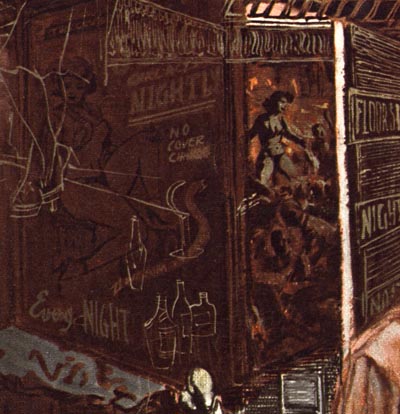
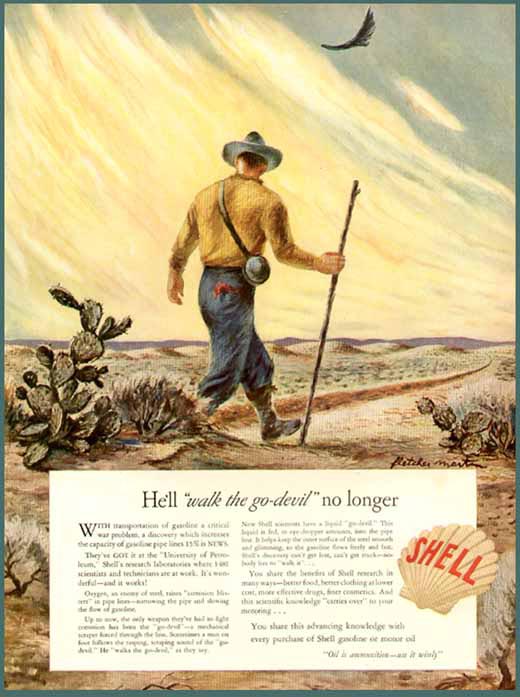
In the broad scheme of things, its unlikely that one would categorize Fletcher Martin as an illustrator. He was truly a fine arts painter who occasionally took on illustration assignments. Here is one of the earliest I've ever seen - found online - from 1942.


Martin firmly believed in painting what he knew, what he had experienced, and considering his youth and early adulthood, wandering hobo-like through Depression era America, the Shell ad seems more than appropriate subject matter for him.

Martin had hopped freight trains, worked as a day labourer picking fruit, done highway construction jobs and been a lumberjack. He had joined the Navy and sailed the oceans of the world... he was an ex-prize fighter. So years later when he said in an interview, "In painting a prize fight, for example, you need to know what it feels like to fight. Before you can draw and order a thing you need to get the feel of it. Good pictures come out of one's experience, out of one's life."


Asked how he consolidated his inclination for painting what he chose to paint with the needs of a commercial client, he replied, "There was never any problem for me because there was never any art direction involved. I was not restricted. I brought in the drawings and they chose those they wanted me to develop into paintings."
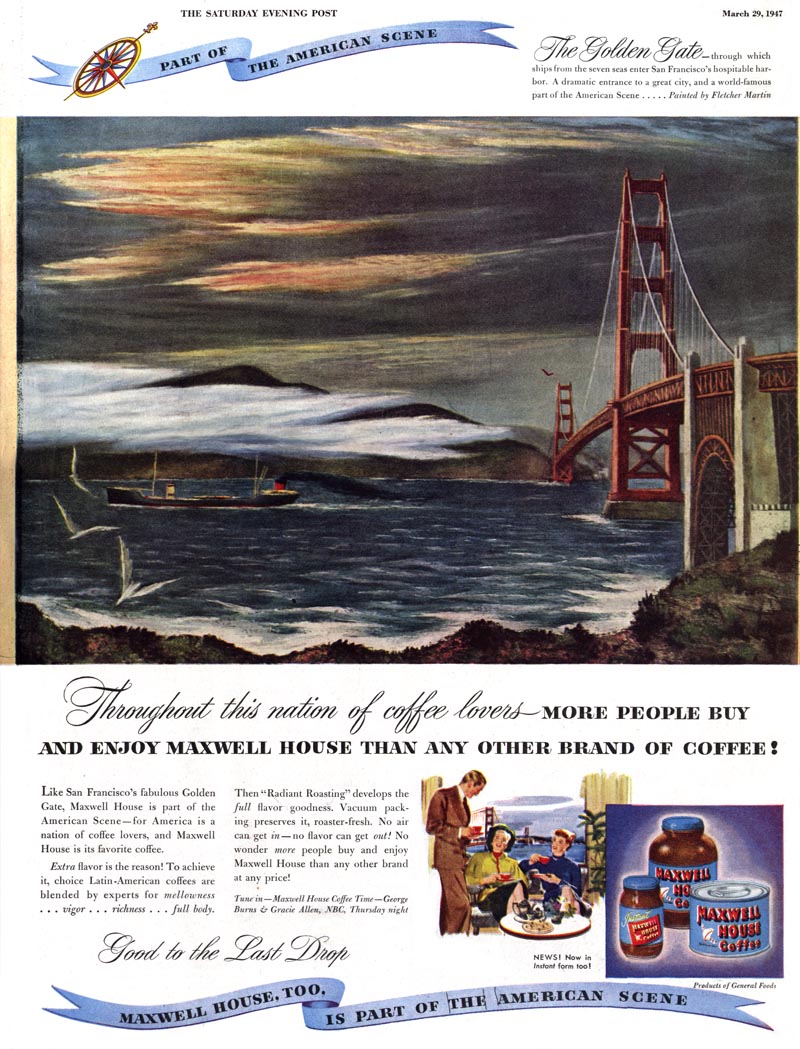

Hard for most illustrators to imagine - having such complete freedom!

Fletcher Martin was hardly as prolific an advertising illustrator as many others we've looked at here, but the trade-off of complete creative freedom was clearly too essential for him to compromise. Martin said, "I could have been much more solvent doing something else. Being an artist has been a difficult thing, but I paint because it has been my major interest ever since I can remember."

"I never even thought of being anything else but an artist. As a kid I didn't know exactly what I wanted to be but there was an awareness that I was longing for something. Art satisfied that longing."
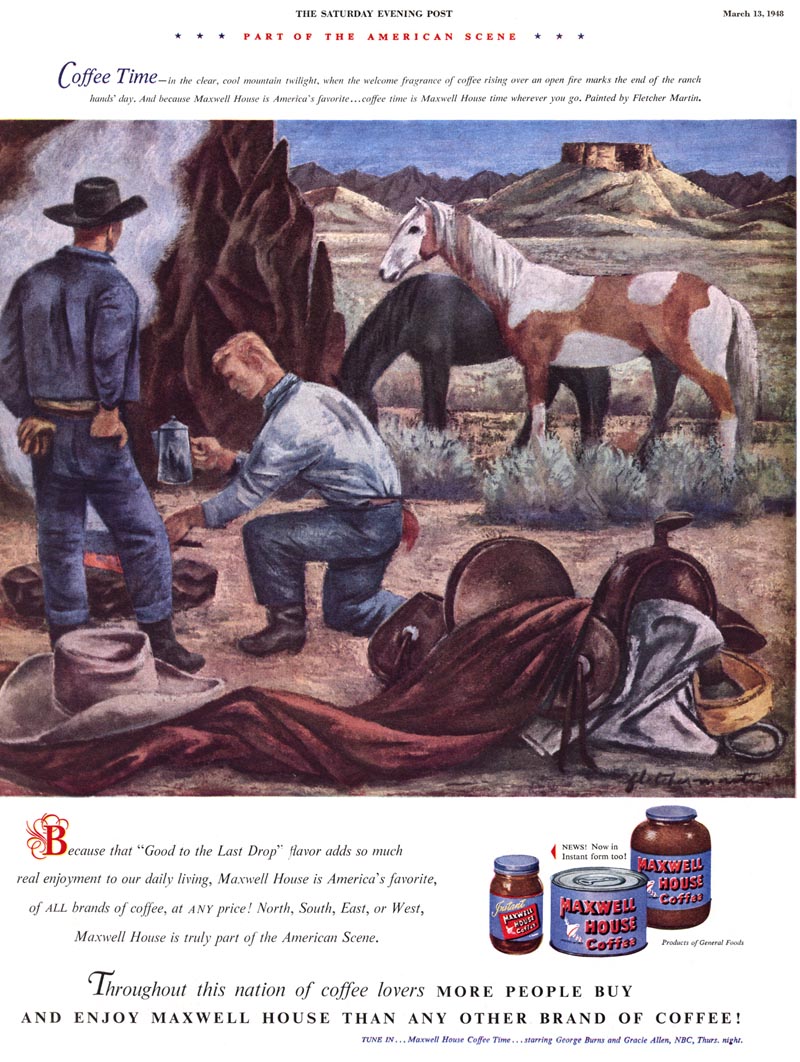

Art directors clearly appreciated Fletcher Martin's commitment to his personal vision. His work was included in several volumes of the New York Art Directors Club Annuals during the '40s and '50s... and advertising assignments from major national corporations were offered time and again.
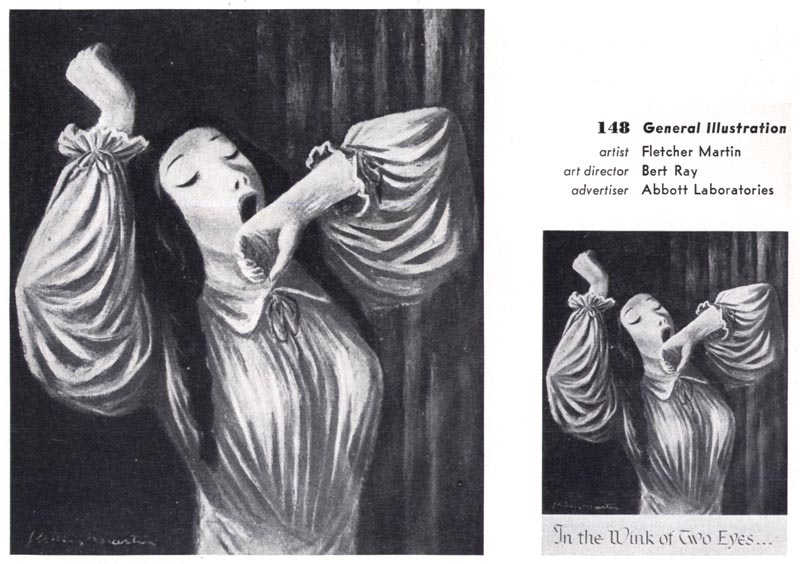

Even so, to those who would follow in his footsteps Martin proffered this qualifier: "The freedom to do what you want to do doesn't automatically produce a good thing. I don't suffer, because I enjoy the whole trial and tribulation of the problem."

"But a commission has a much more positive and definable goal than a painting that you're just doing to please yourself. Freedom is desirable..."


" ... but it can be an adversary too."

* My Fletcher Martin Flickr set.

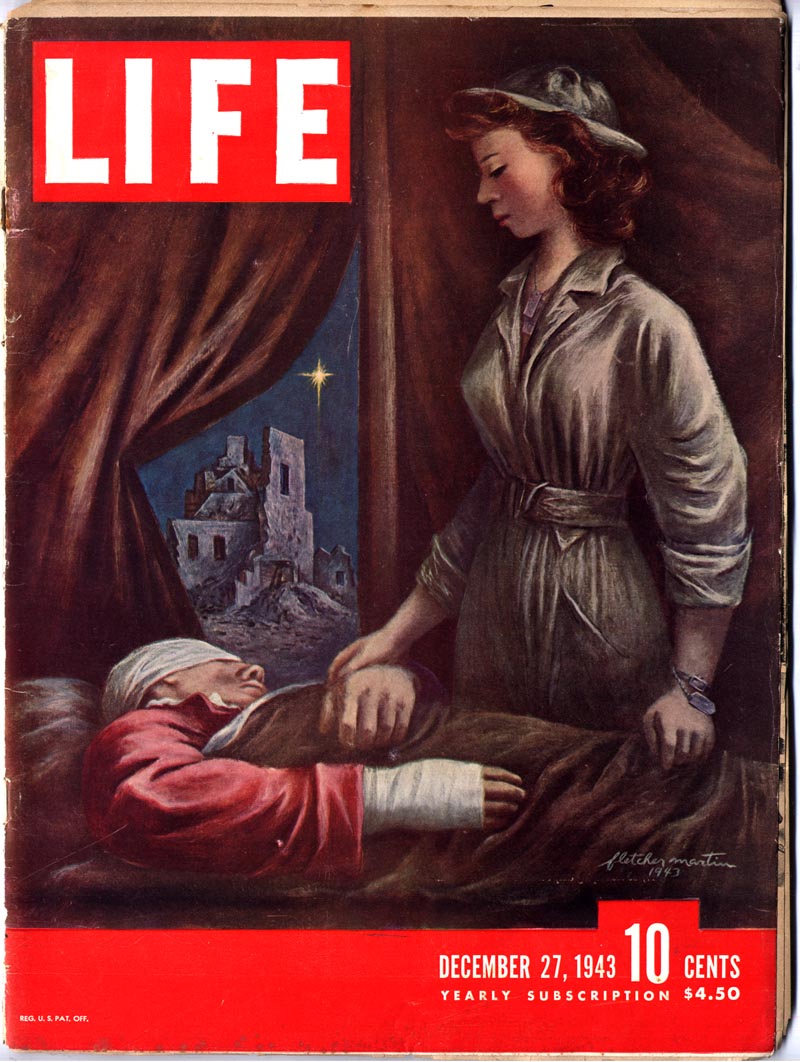
* For those who missed yesterday's comments, Joyce K. Schiller, Curator at the Norman Rockwell Center for American Visual Studies wrote to tell us that the study drawing for the December 27, 1943 cover of Life magazine by Fletcher Martin was a recent gift to the Norman Rockwell Museum collections and is currently hanging in a gallery called "Curator's Choice: Selections from the Norman Rockwell Museum Collections."

What a great opportunity for those within striking distance of the NRM! Thanks for the heads-up, Joyce.

*Also: Be sure to drop by Charlie Allen's Blog for the latest CAWS - wherein Charlie concludes his adventures in "duck stamping".

*And finally: A new post at Storyboard Central showcasing more amazing artwork by Italian illustrator, Roberto Molino.

Wednesday, November 11, 2009

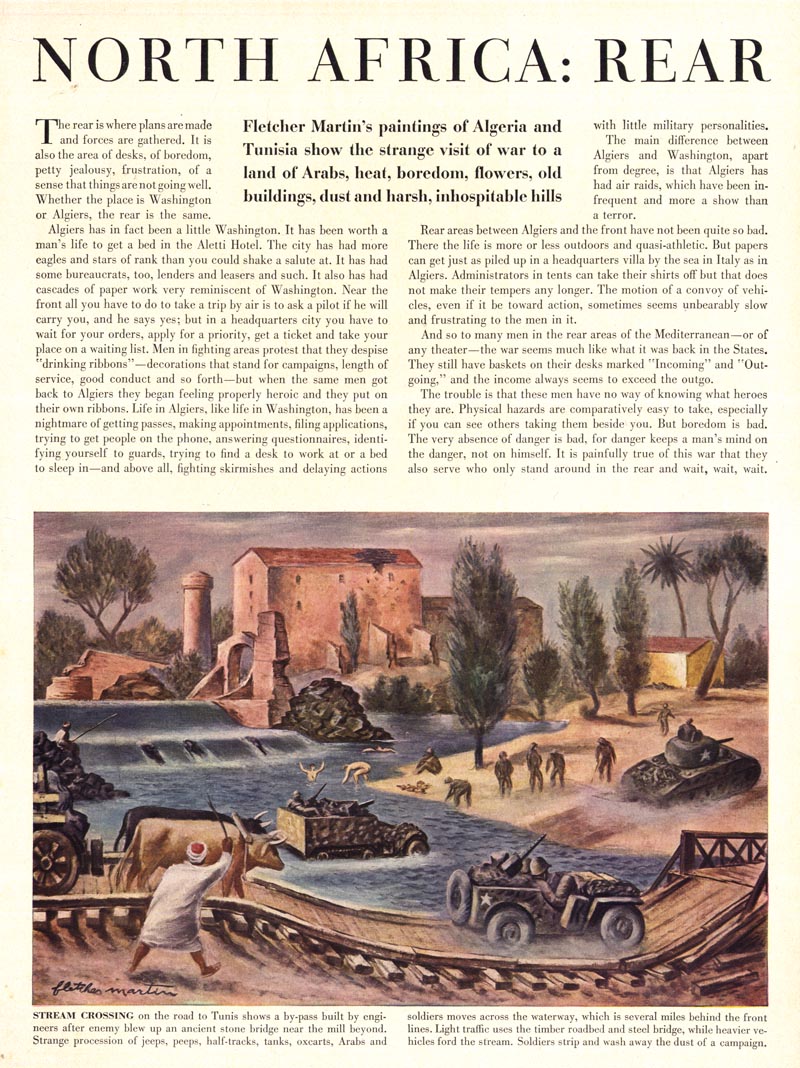
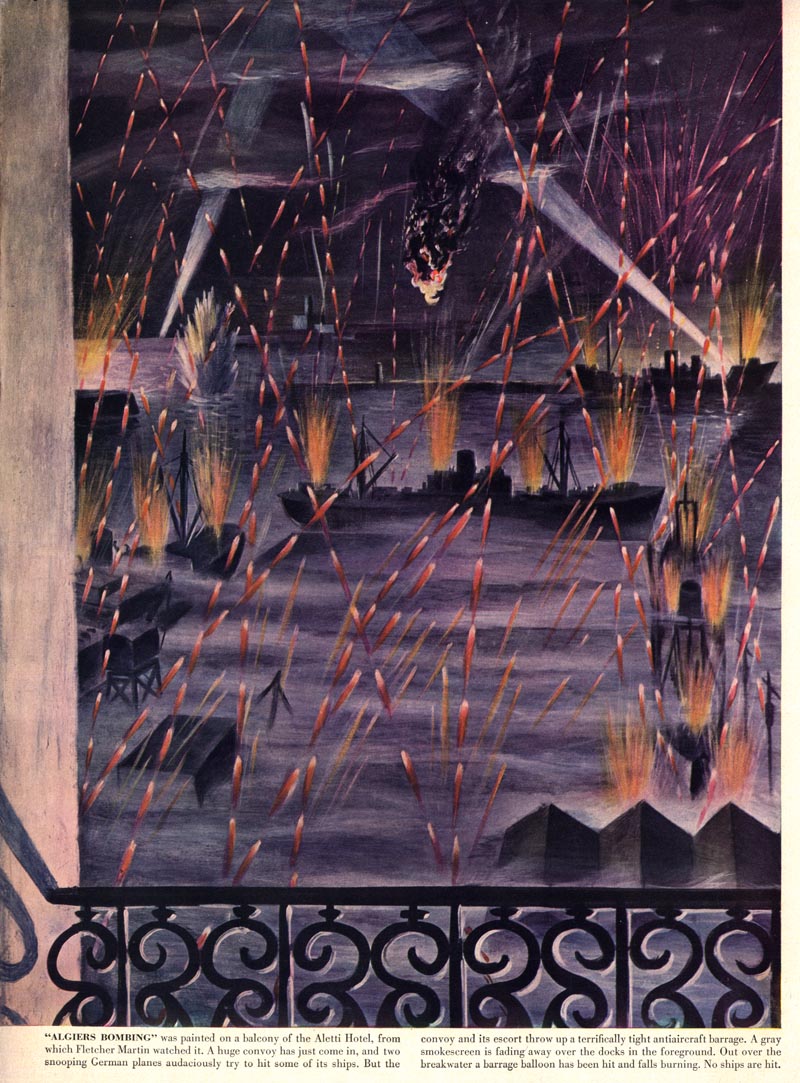
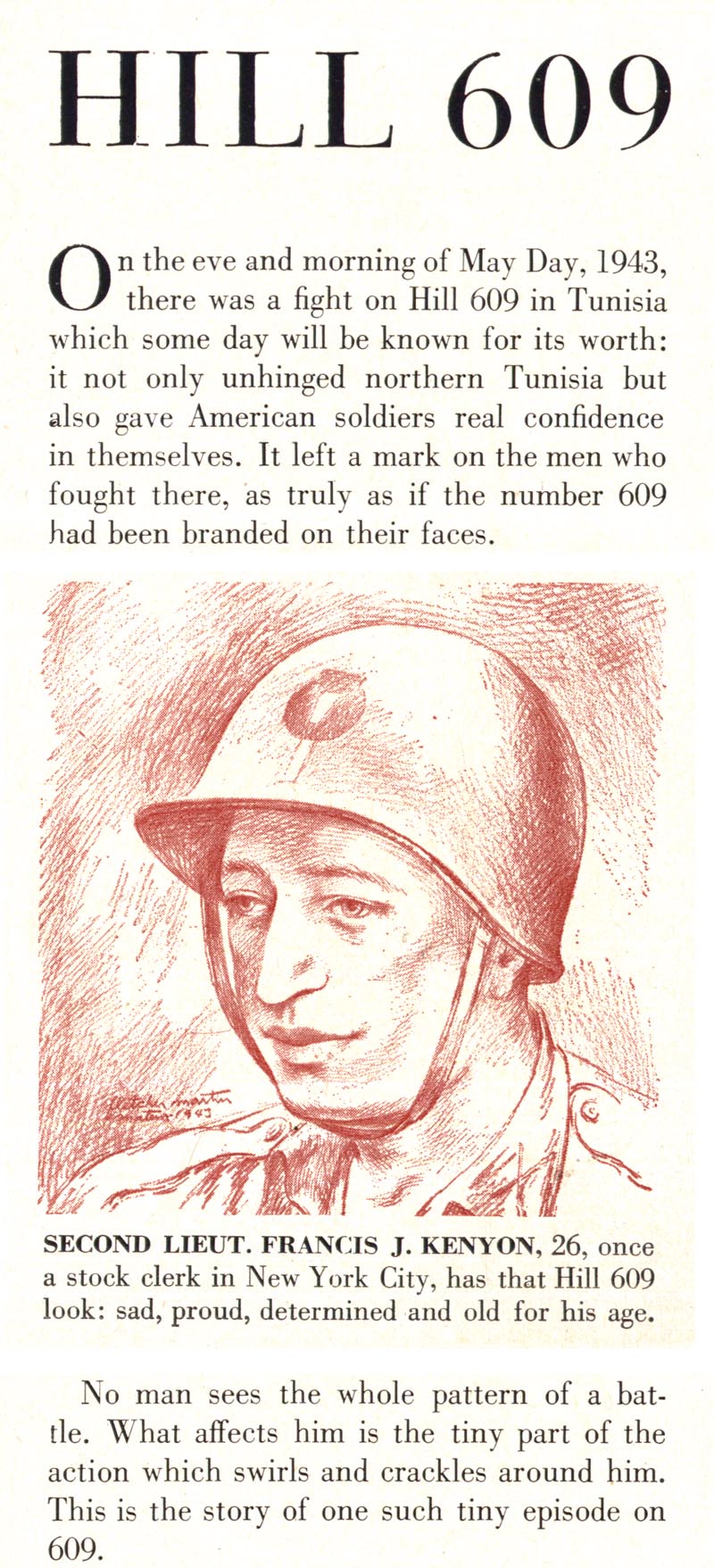
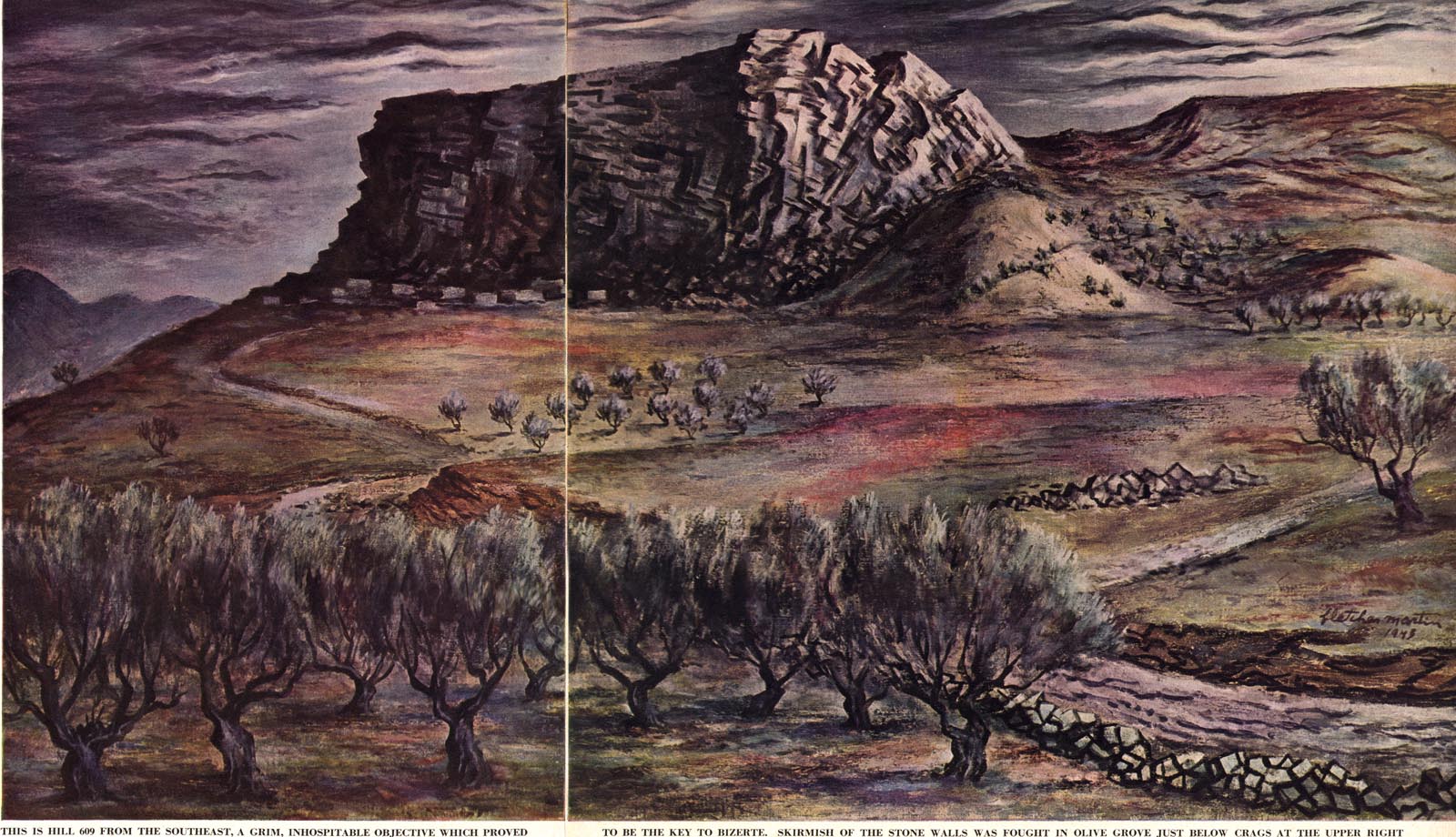
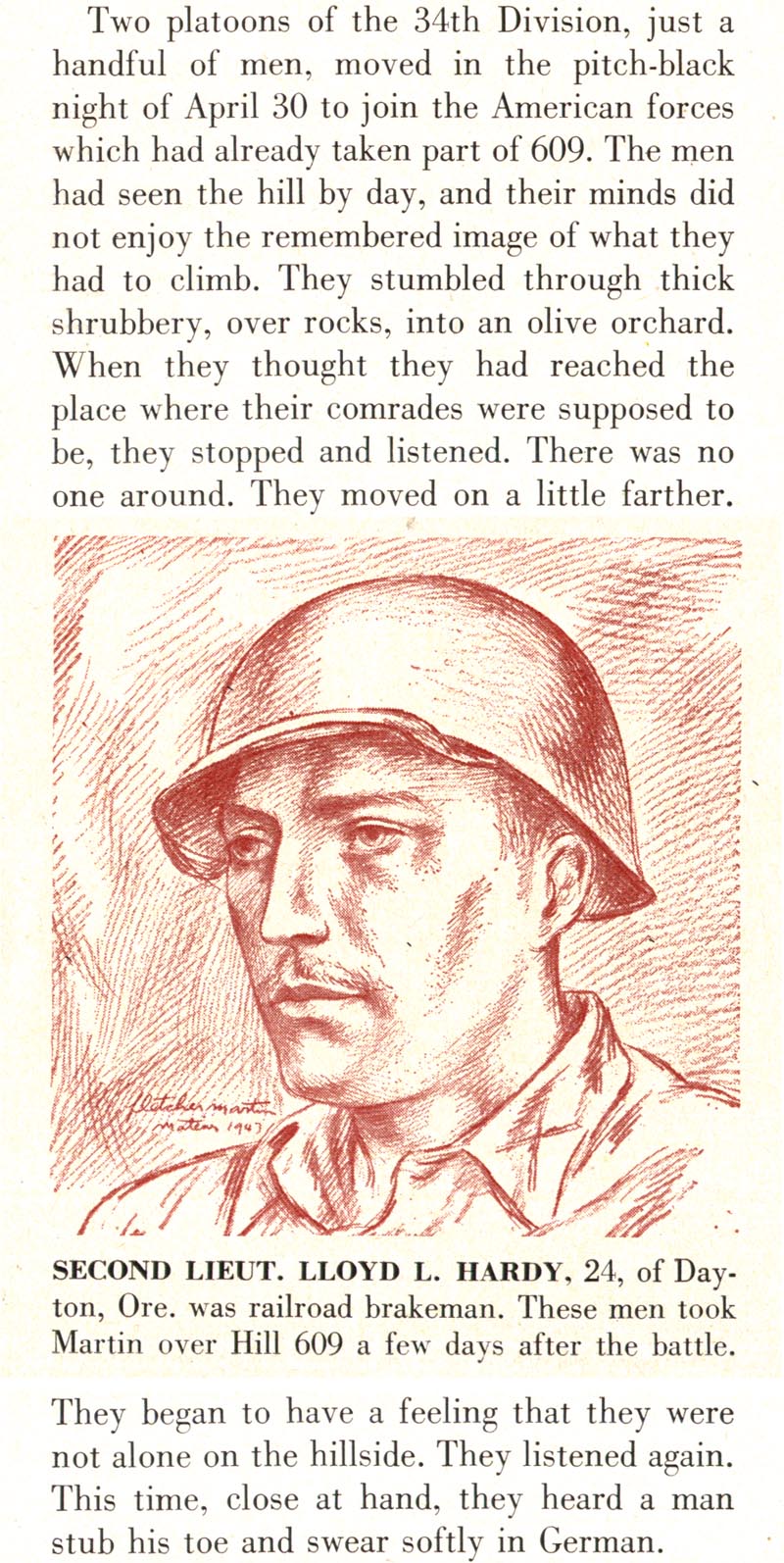
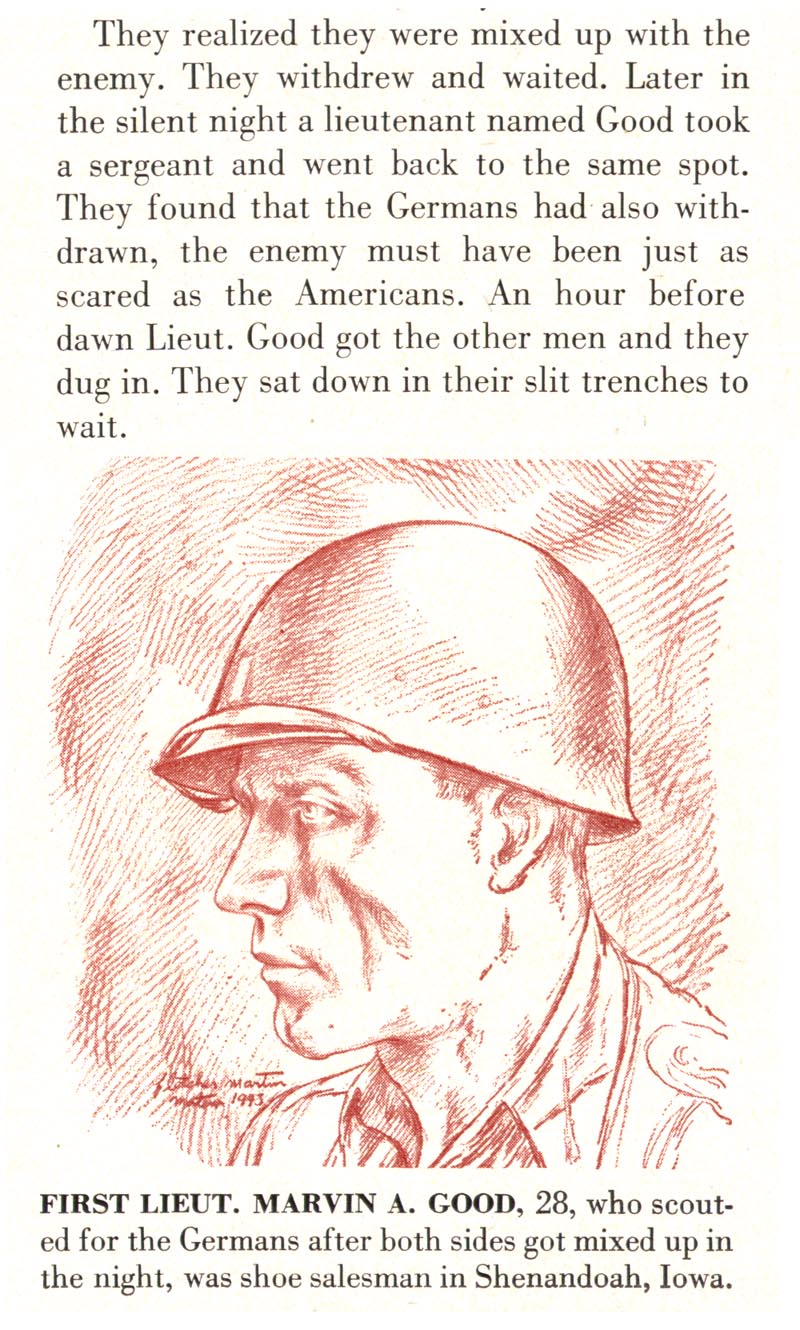
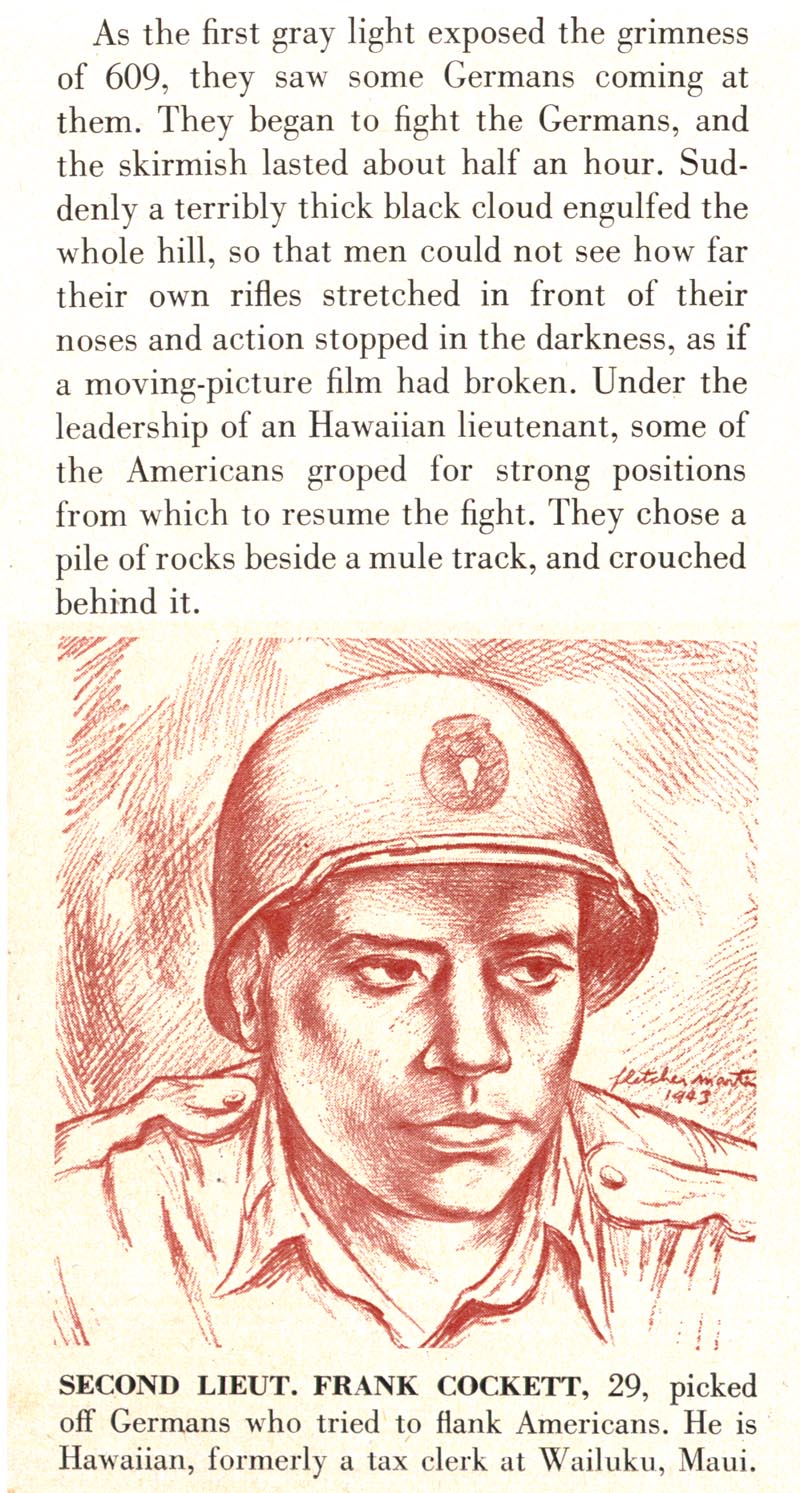
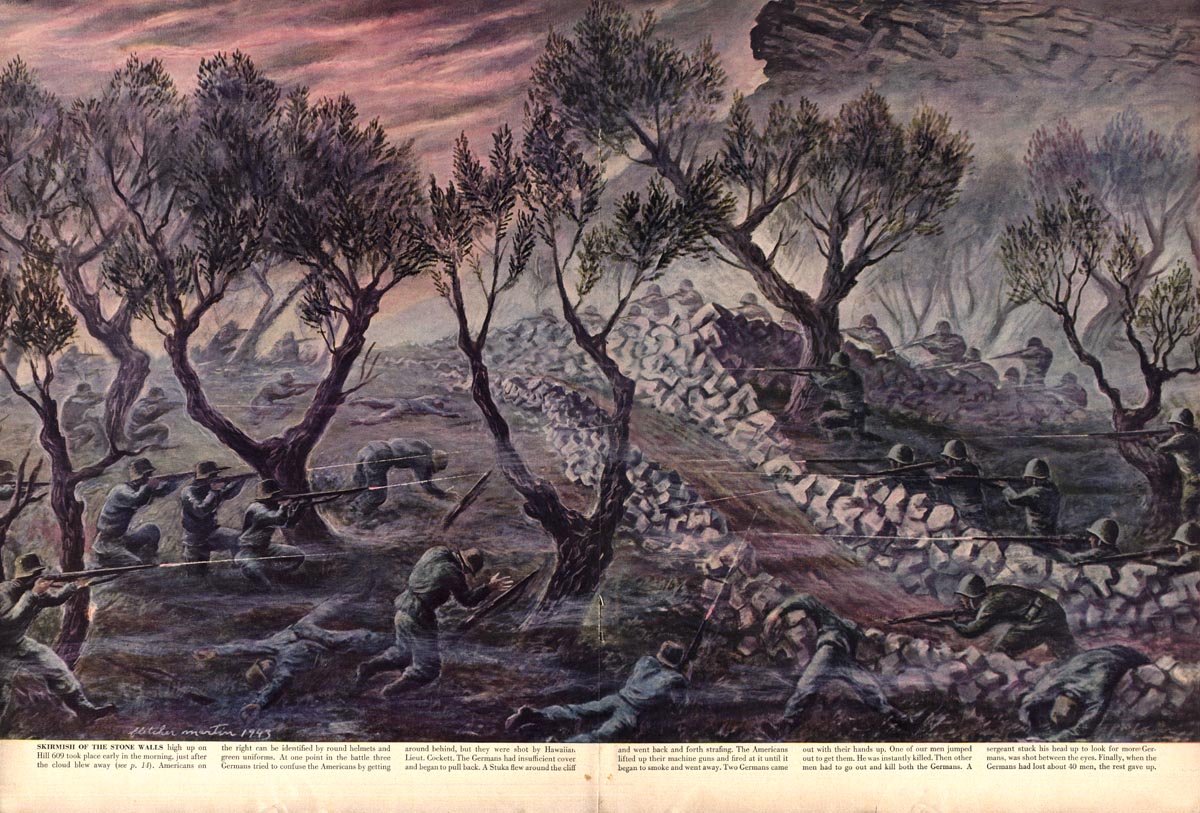
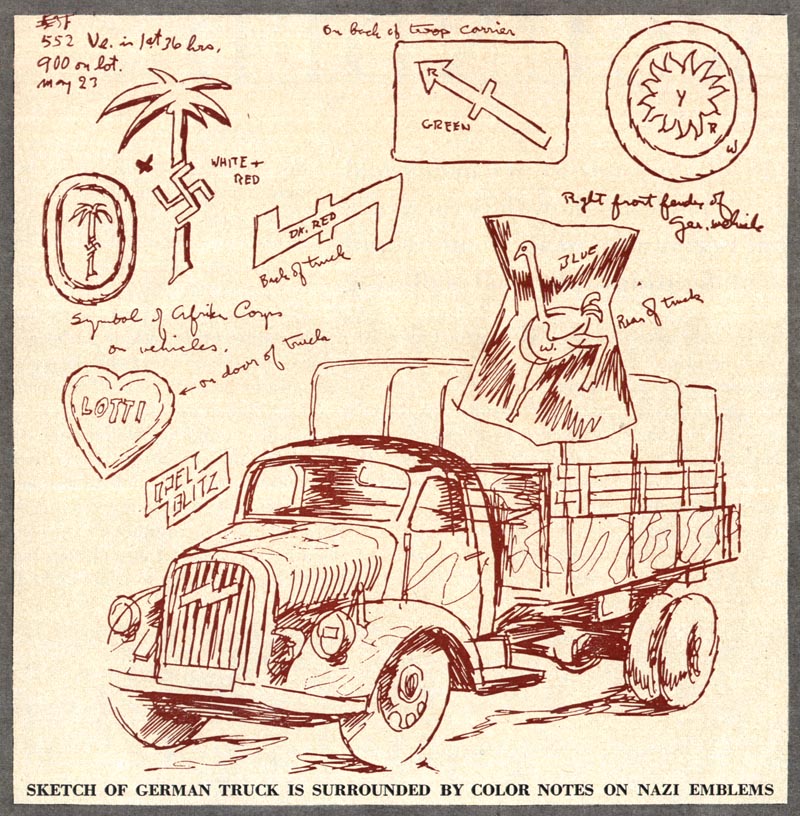
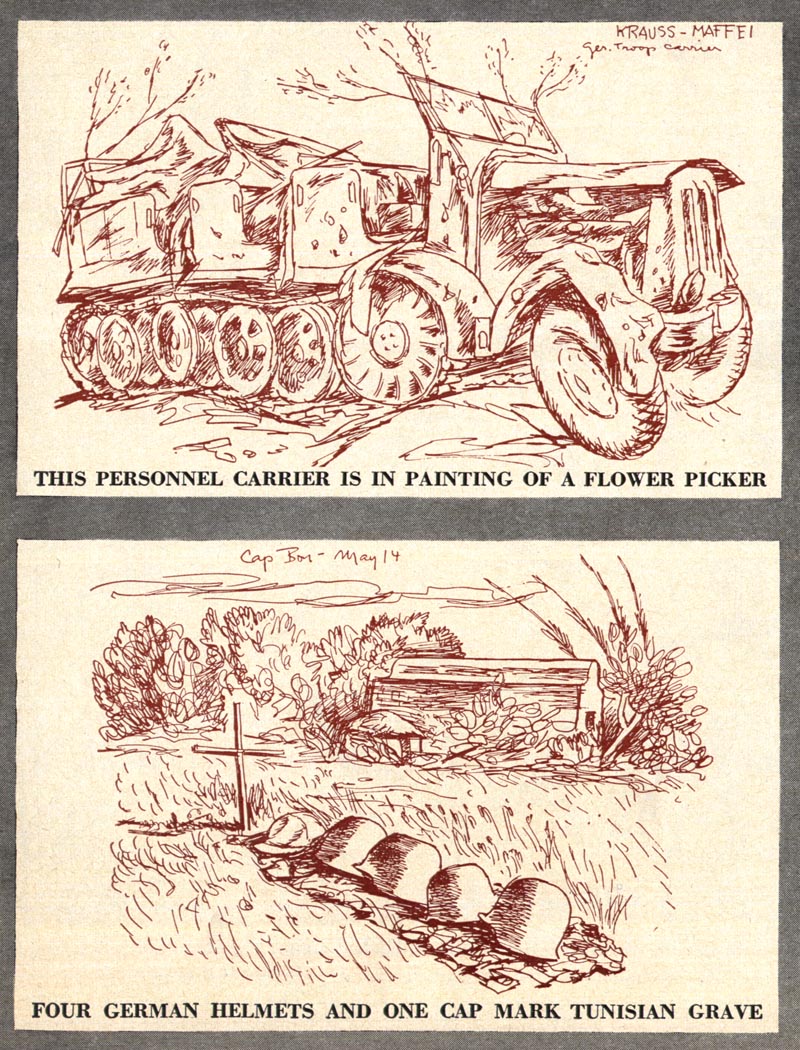
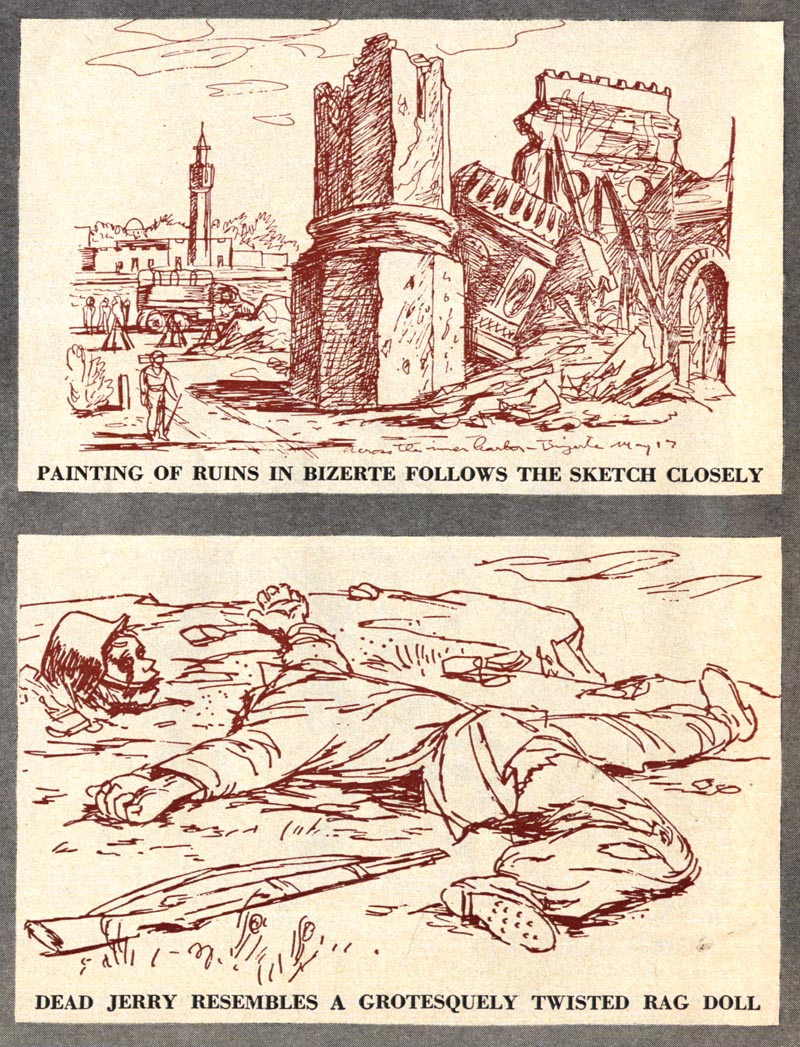
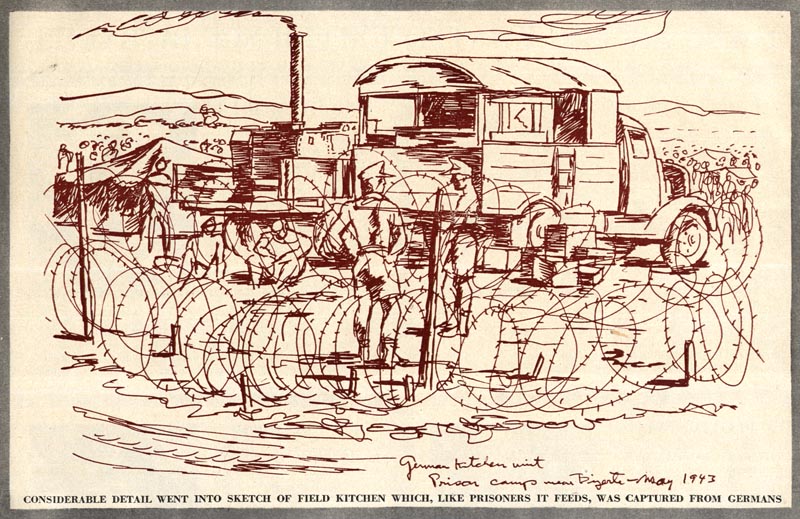
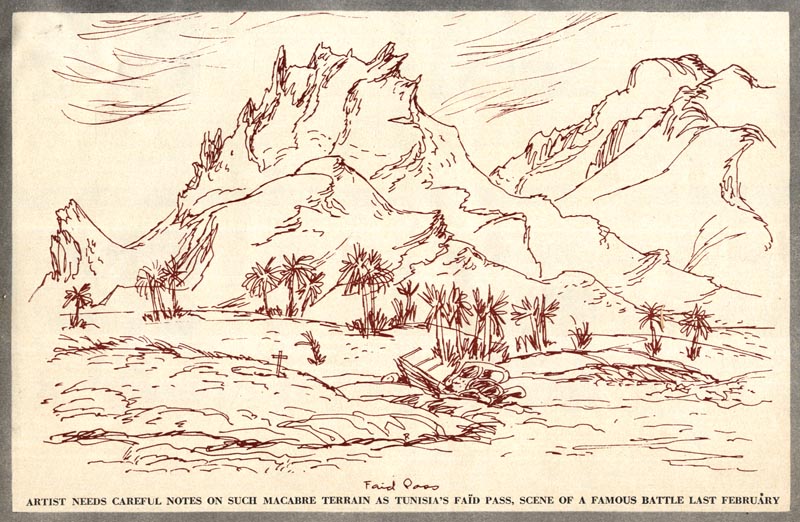
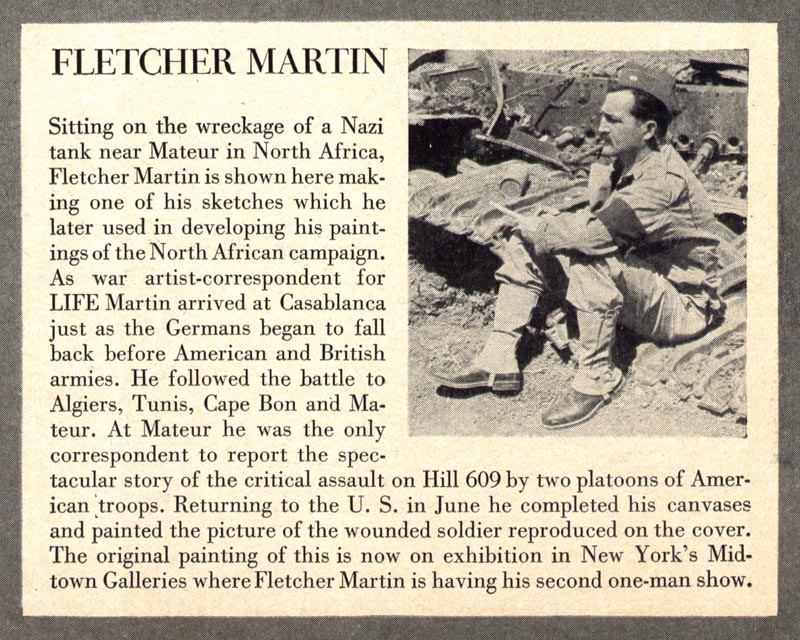
Fletcher Martin: The Art of War

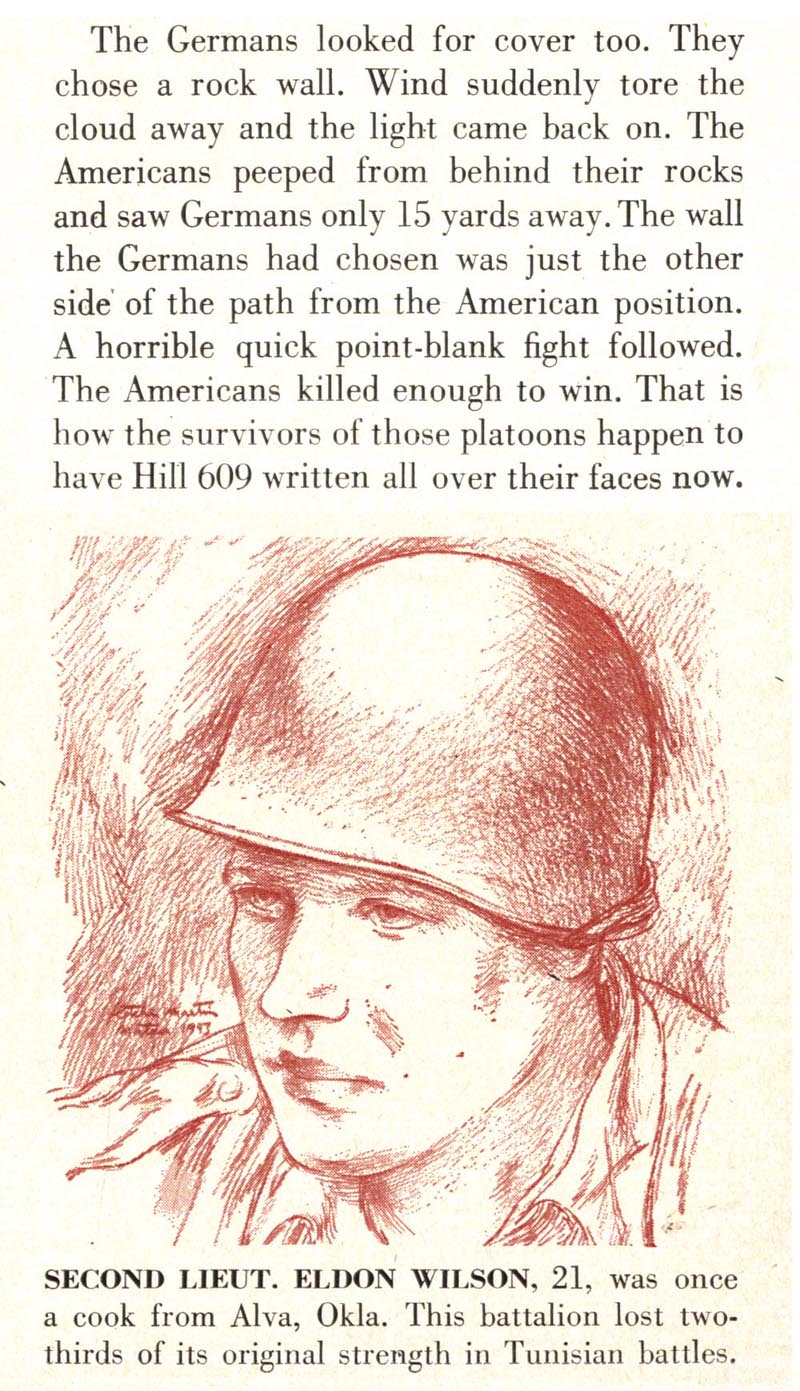
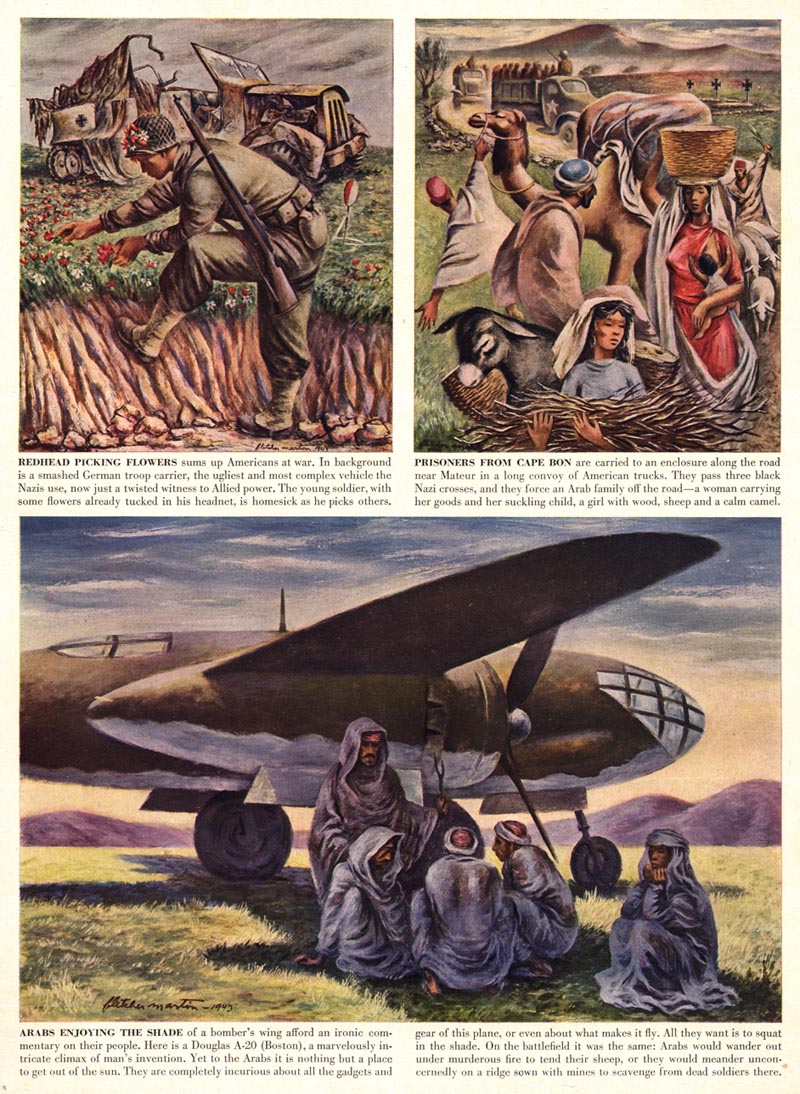
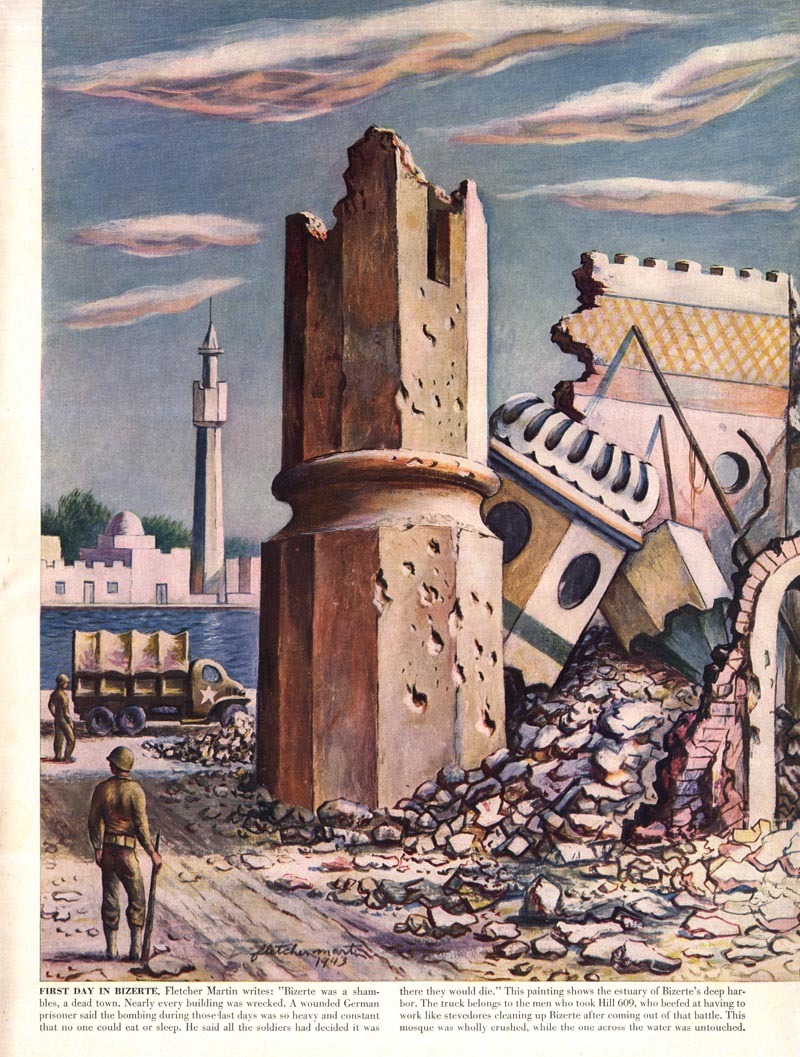
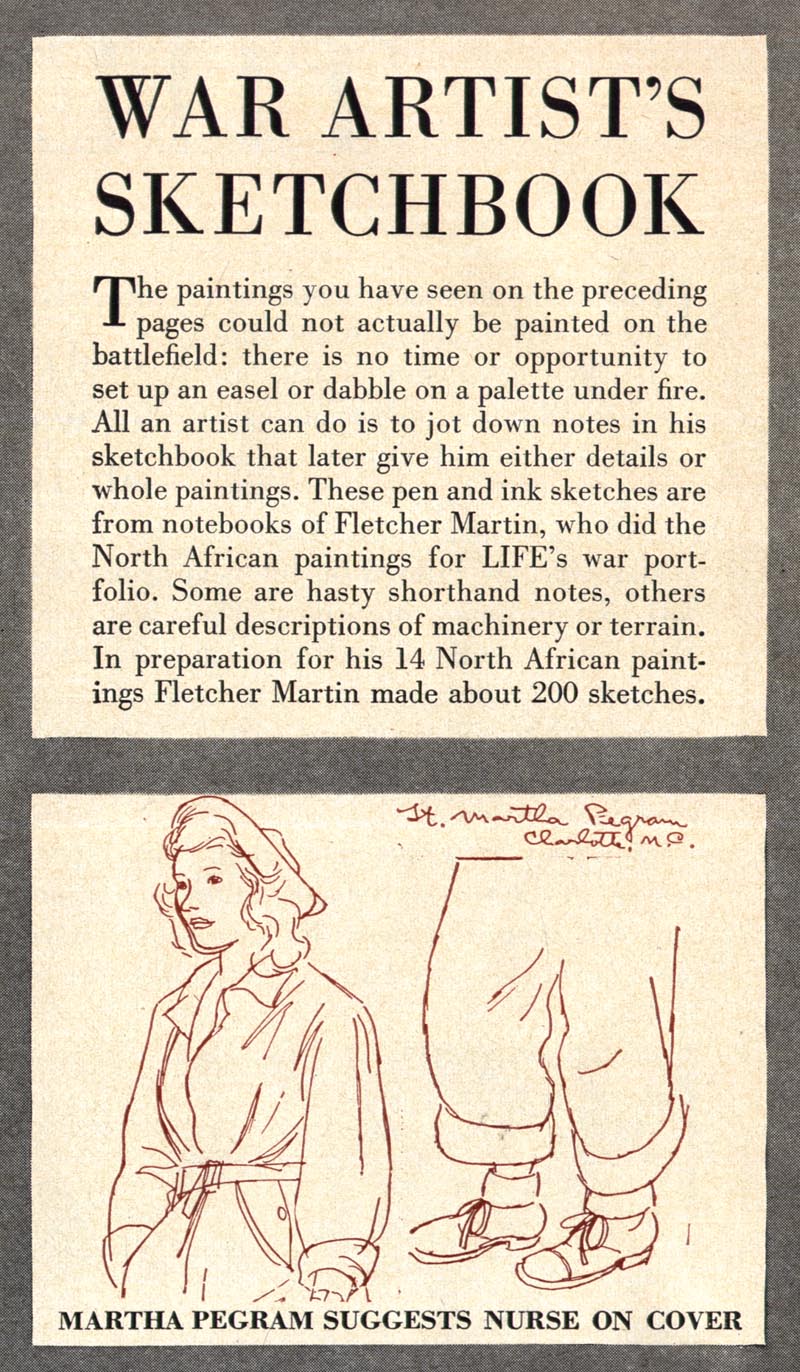
In June 2007 I spent a week showcasing the work and career of Fletcher Martin. Among the biographical details we covered was a brief passage about Martin's experience as an artist-correspondent on assignment for Life magazine during W.W. II. I mentioned in passing that his December 1943 cover and 13-page article for Life brought him national recognition. Earlier this year I acquired that issue of Life. On this Remembrance Day (Veteran's Day in the U.S.) I'm pleased to present to you all of the Fletcher Martin material from that issue.


* If You never saw my previous posts on this remarkable artist, you can read them at these links:

Part 1, Part 2, Part 3, Part 4, Part5

* Fletcher Martin's work is represented by The Fletcher Gallery

* My Fletcher Martin Flickr set

Tuesday, November 10, 2009

Louis S Glanzman: The Amazing Man

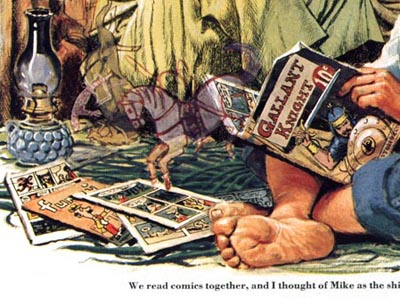
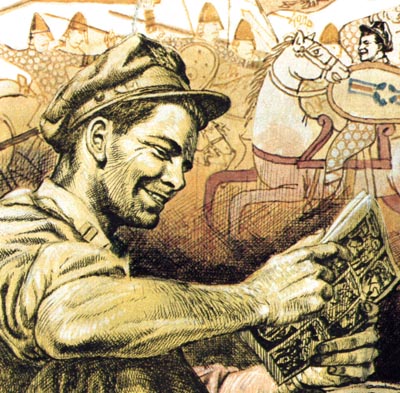
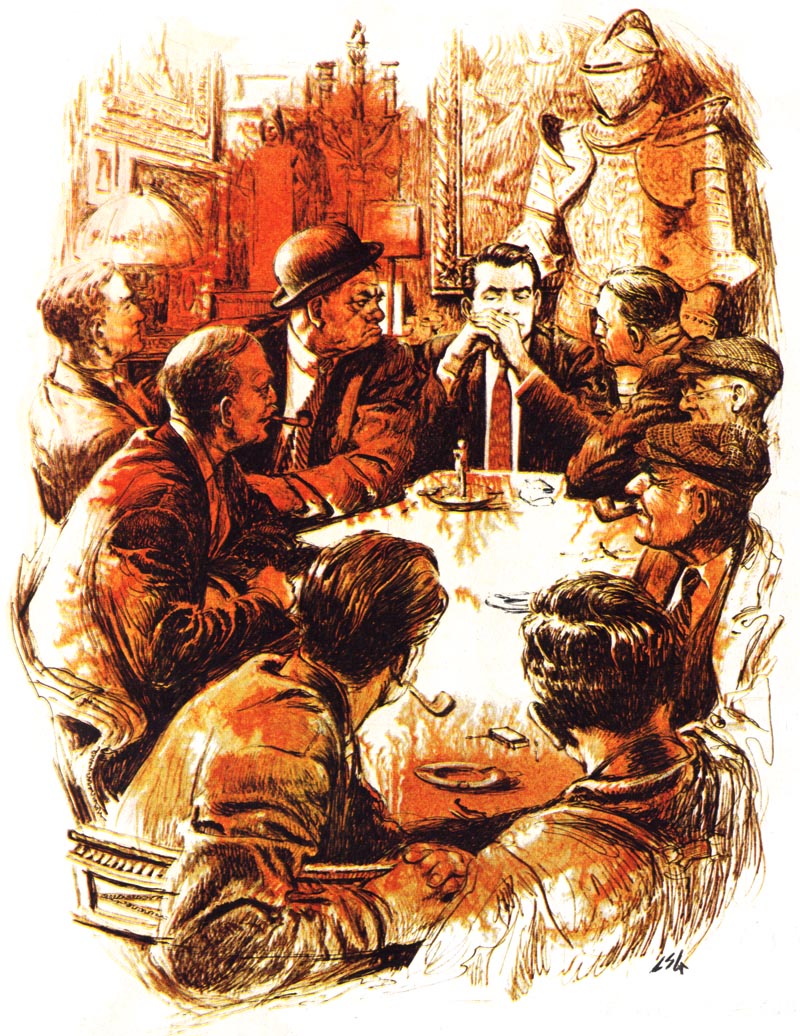
Years ago when I first began exploring the file folders of old magazine clippings that would one day become the original source material for Today's Inspiration, I came across the illustration below and immediately fell in love with it.


I loved the beautiful line drawing, so confident yet delicate; the rich, warmth of the painted colour scheme... but most of all, as a life-long fan of comic books, I loved the subject matter.

The artist had taken the time to make up a bunch of imaginary old titles and characters and mocked in page details and cover indicias. Something told me this artist shared my fondness for comic books. There was a lot of love in this illustration.


But who was this mystery artist from the mid-20th century? Back then I wouldn't have known a Pitz from a Parker...


... so what looked like the initials "C S K" signed along the bottom of the illustration meant absolutely nothing to me.


I lingered for a while over the illustration, scanned it and sent it out to the few early members of the TI mailing list ( whom I knew would appreciate it as well) and filed it back away where I had found it.

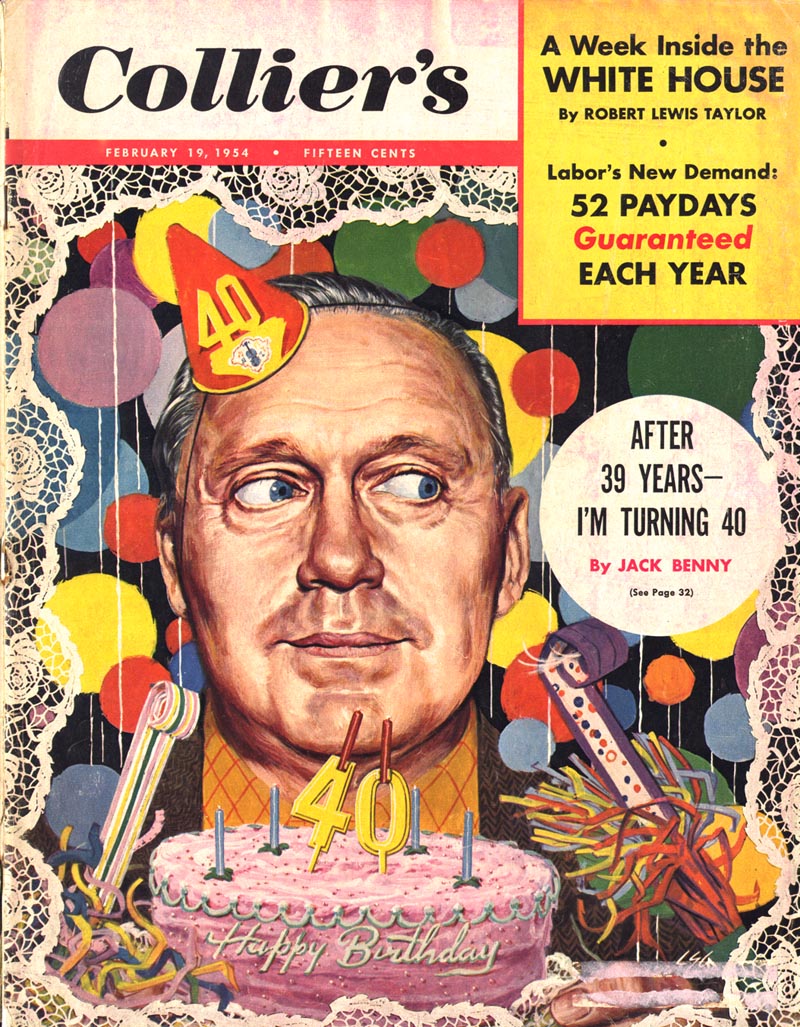
Fast forward several years. I had just acquired a nice stack of 1950s Collier's magazines and begun flipping through them... when the illustration below stopped me in my tracks.


Something about the style of this illustration reminded me of that earlier beloved piece by "C S K"... except this time the three initial signature was clearly "L S G"... and further, the accompanying article identified the artist as "Louis S Glanzman".

I knew I had finally found the mystery illustrator!


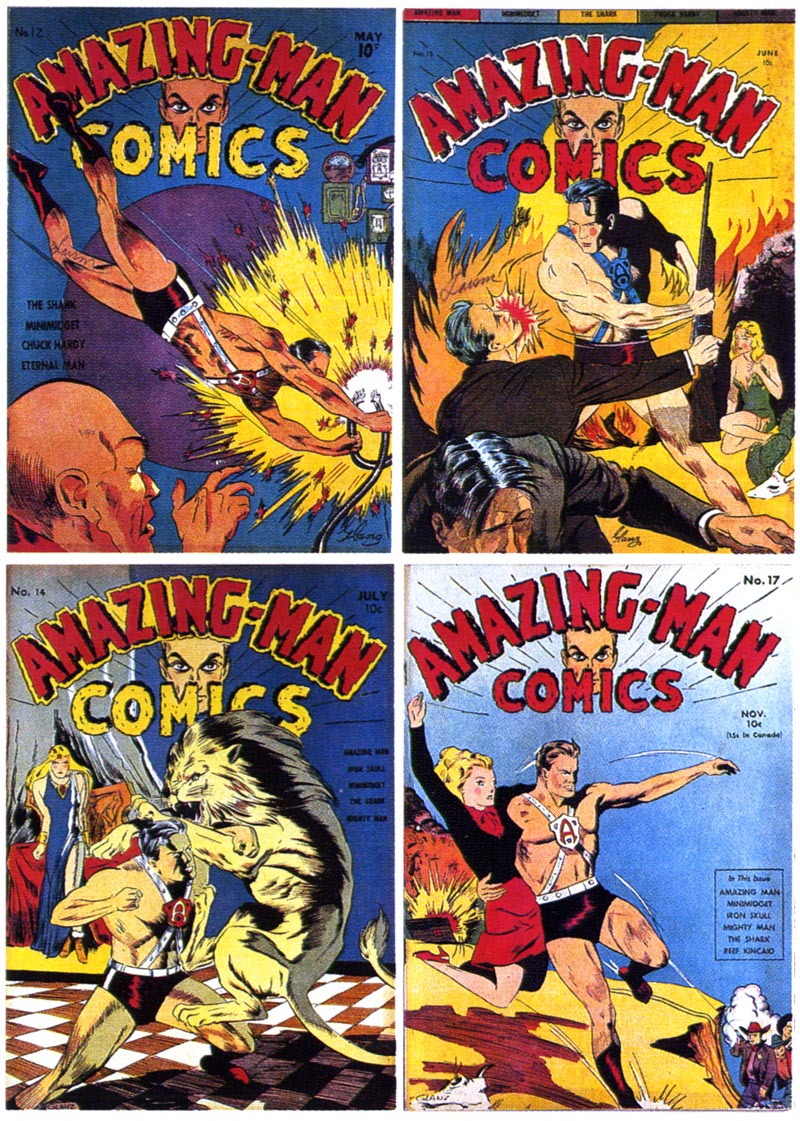
As I learned more about Lou Glanzman I came to understand why he had so affectionately rendered all those comic books in that first illustration: at age 16 Lou began his professional art career as a comic book artist. He created a back up feature called "The Shark" in Centaur Publication's Amazing Man Comics. Lou earned $7.50 per page to write, draw, ink and colour "The Shark." A few months after he began working for Centaur, the main feature's creator left and Lou took over "Amazing Man". In Alter Ego magazine #46, interviewer Jim Amash asked Lou if the promotion came with a raise. "No," Lou told him, "But I got more pages to do. I think that's why I got the work. I was a kid and could draw. I was just happy for the work. All I thought about was getting more pages to draw."


For that 16 year old kid it would take almost another lifetime - but in 1953, at age 31, Louis S Glanzman was accepted into the Society of Illustrators. That same year he illustrated his first cover for Collier's magazine. In '54 he illustrated two more.

Not bad for a kid who grew up in rural Virginia and never really attended art school. Lou Glanzman, the real Amazing Man, had finally arrived.


Collier's became a steady client for Lou. And at the SoI, he had the distinction of socializing with some of the giants of the illustration business. He often shared a table with William A. Smith, Norman Rockwell and Harold Von Schmidt.


"In fact," Fran Glanzman told me during our phone conversation, "Lou travelled to the Far East with Von Schmidt."


For the next several years Lou contributed artwork to Collier's on an almost weekly basis.


I ask Lou what kind of guy (Collier's AD) William O. Chessman was...


Lou replied, "He was a great guy - a great client."


Fran added, " Collier's was a weekly, and everybody looked at it. For Lou to be a regular contributor was a very big deal."


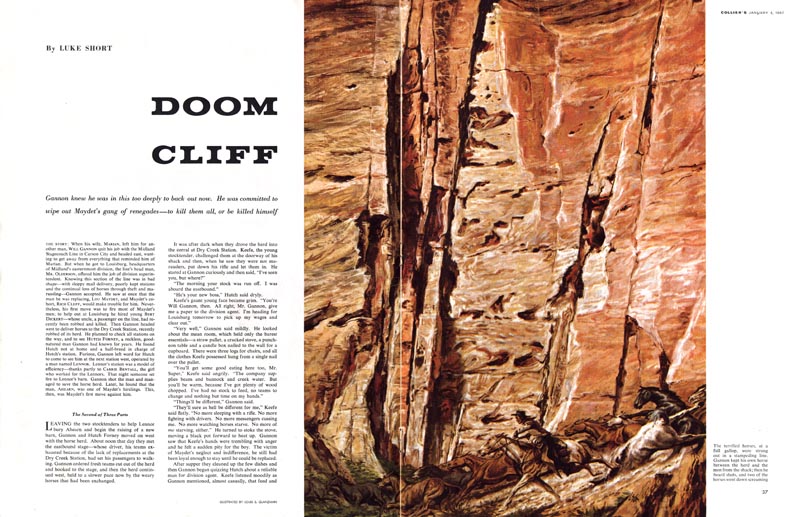
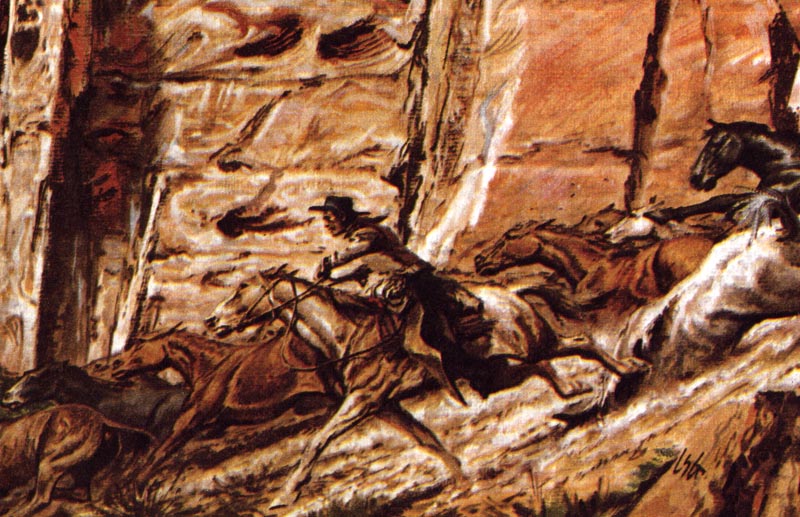
Unfortunately Collier's ceased publication at the end of 1956. This double page spread from the January 4, 1957 issue must be the last piece Louis Glanzman ever did for the magazine.


Just as the Collier's illustration at the top of this post featuring comic books looked back on Lou Glanzman's past, this final western-themed Collier's illustration seems to have portended the artist's future: he would go on to become one of America's most prolific - and highest paid - illustrators of Western themed paperback covers.


For an article in Illustration magazine # 19. Lou told author Gary Lovisi that as a boy he loved to draw. "I never did get to go to an art school, but I never stopped drawing - and then I learned to paint."

Today, at age 87, Louis S. Glanzman - the Amazing Man - still draws and paints. Every day.

* My Louis Glanzman Flickr set.

* Lou Glanzman's website

Tuesday, November 03, 2009

Louis Glanzman: "I got my art training in comics"

Yesterday I called Lou and Fran Glanzman to ask about Lou's career during the 1950s. Lou, who is 87 and still paints every day (!) is having a little trouble with his hearing so Fran very graciously agreed to be the go-between. We talked for nearly an hour, with Lou chiming in now and then to provide specifics Fran was unsure of.


I learned that Lou Glanzman had a rep named John Locke, who also represented John Pike and Ronald Searle, and that it was Locke who got Lou his first assignment for Collier's.


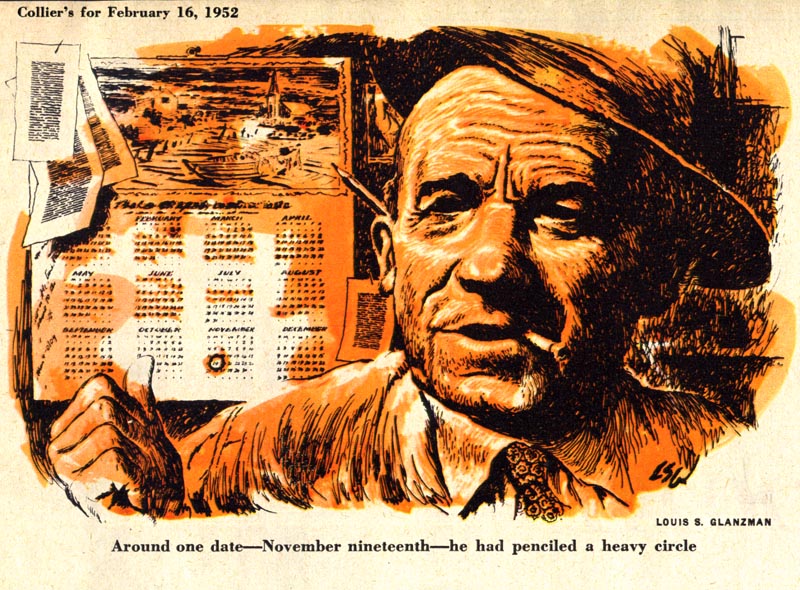
The earliest examples of Lou Glanzman's Collier's illustrations I managed to find are the spot illustration above and the last piece from yesterday's post - also a spot. Those two came from February and March of 1952.

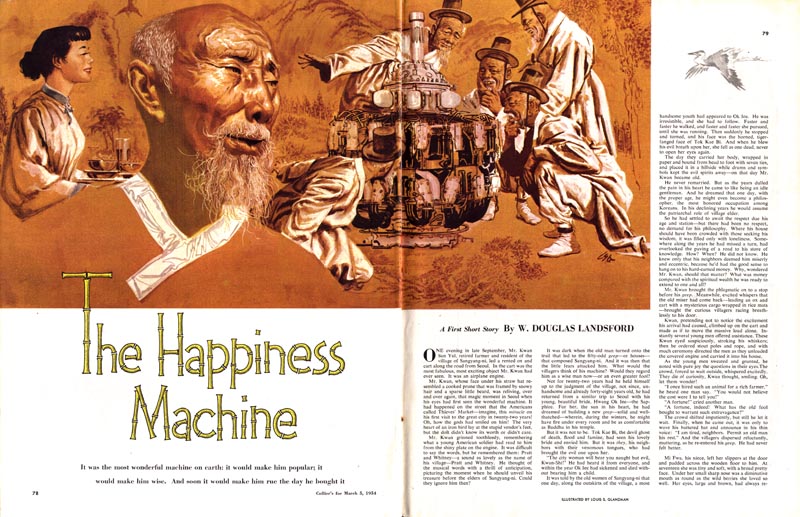
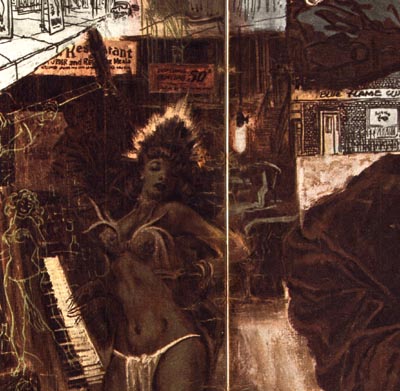
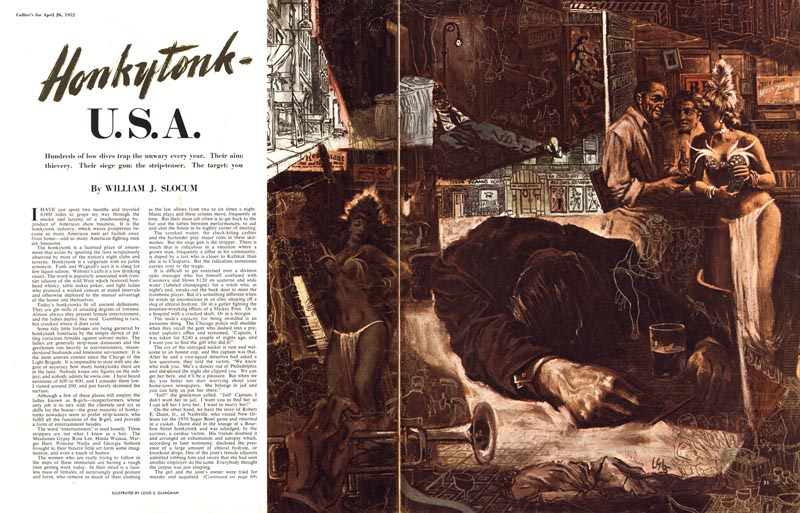
In April '52 Lou did the magnificent montaged double page spread below, entitled "Honkytonk - U.S.A."

I asked Fran if she or Lou remembered this piece but unfortunately neither of them did. I find it incredibly powerful and fascinating. We talked briefly about Al Parker and I asked if he had been an influence on Lou, because of the graphic quality of this piece, and because of the montage effect, but Lou said no. The montage effect Lou often employed during the '50s was of his own devising. Parker, he relayed to Fran who passed the comment on to me, was more of a romance artist while Lou was an adventure illustrator.

Back in 2005 my friend Jim Amash conducted an interview with Lou Glanzman for issue #46 of Alter Ego magazine. They talked at length about Lou's early professional work in comic books, before his W.W. II service in the Army Air Force. Jim asked Lou why he didn't return to comics after the war and Lou told him, "Because I wanted to be an "artiste."


Lou said, "When the war was over, I got married and had responsibilities. I ran into the same kind of trouble I had when I started. I went to publishers and they told me to "go back to school."

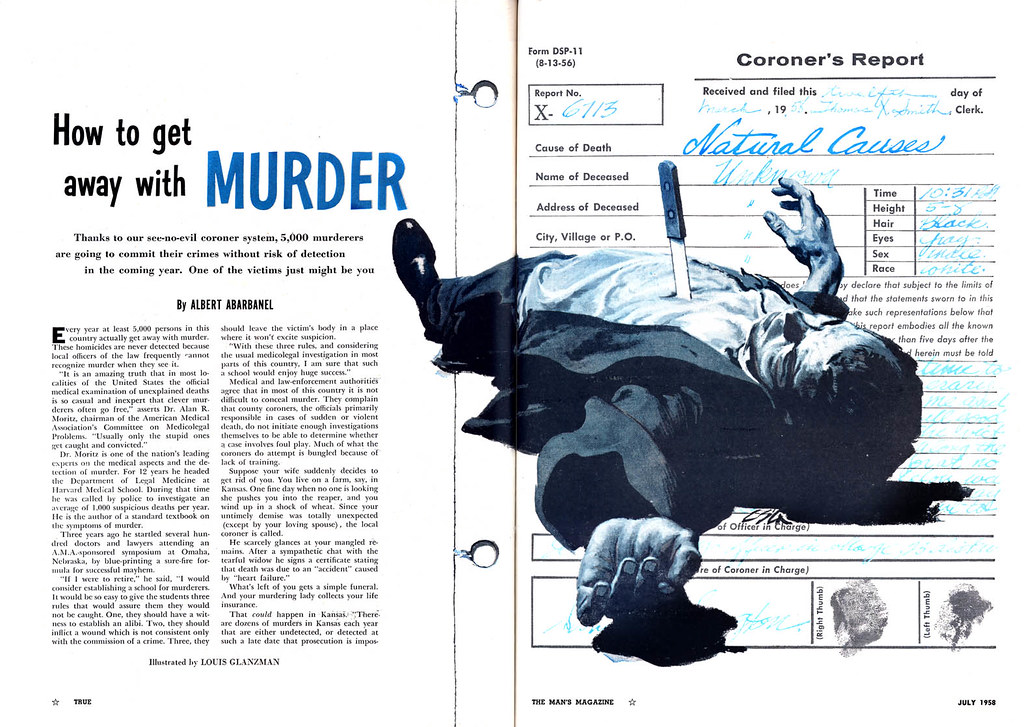
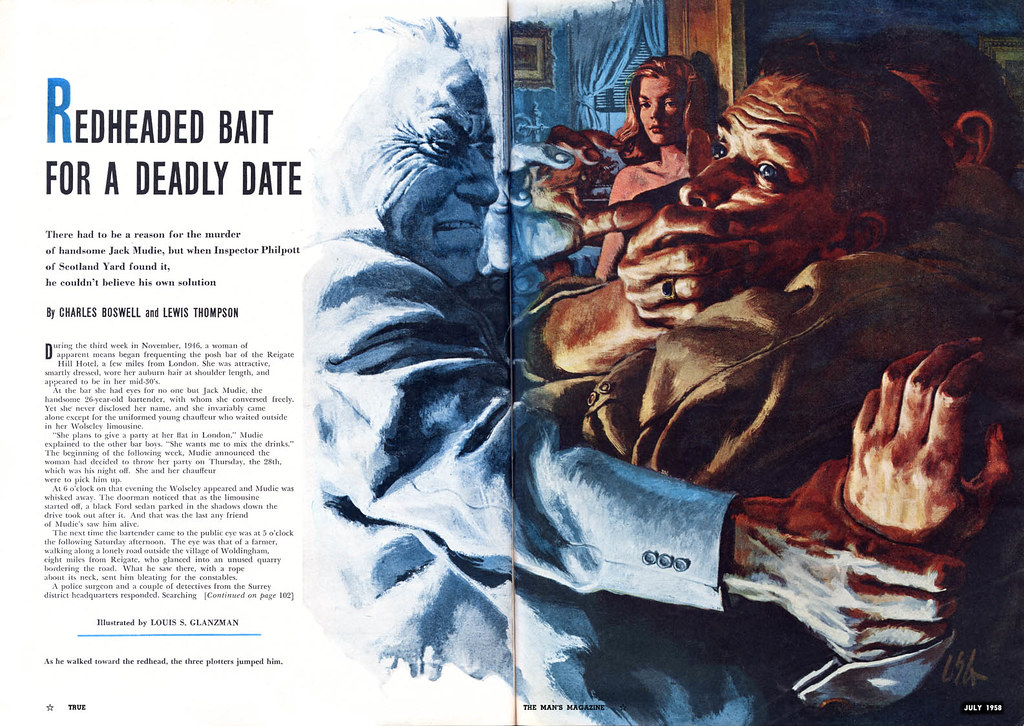
"I started painting and my first big break was with True Magazine. I was a jazz buff and I had the good fortune to do work with an original manuscript... it was a manuscript Louis Armstrong wrote about New Orleans. I painted a picture for it in my first house. It was an enormous painting, and I knew I had hit the big time."


Not bad for a self-taught artist who told Jim Amash, "I got my art training in comics. I did go to the School of Industrial Arts in New York..."


"... but most of the time I played hooky at the burlesque shows on 42nd Street."

* Alter Ego #46 with a Lou Glanzman interview by Jim Amash is still available from the publisher.

* My Louis S. Glanzman Flickr set.

Monday, November 02, 2009

Louis Glanzman: "The real painting artist"

There are a lot of graphic arts professionals on the Today's Inspiration daily mailing list including several, like Harry Borgman and Charlie Allen, who were there on the front lines during the mid-century period we all adore. But the mid-century illustrator who has been a TI list member the longest is the man his brother Sam once described in an interview as "the real painting artist", Louis S. Glanzman.


Lou and his wife Fran have been following Today's Inspiration every day since long before it was a blog. At the time, I was sending one scan out each day to about a hundred people (now its nearly a thousand!)

On one particular occasion I had collected the images you see here today in preparation for a week of emails to my subscribers. I decided to do a little detective work on the artist and discovered Lou's website!


Lou already has a comprehensive biography available on his site, so I won't spend too much time on that here.


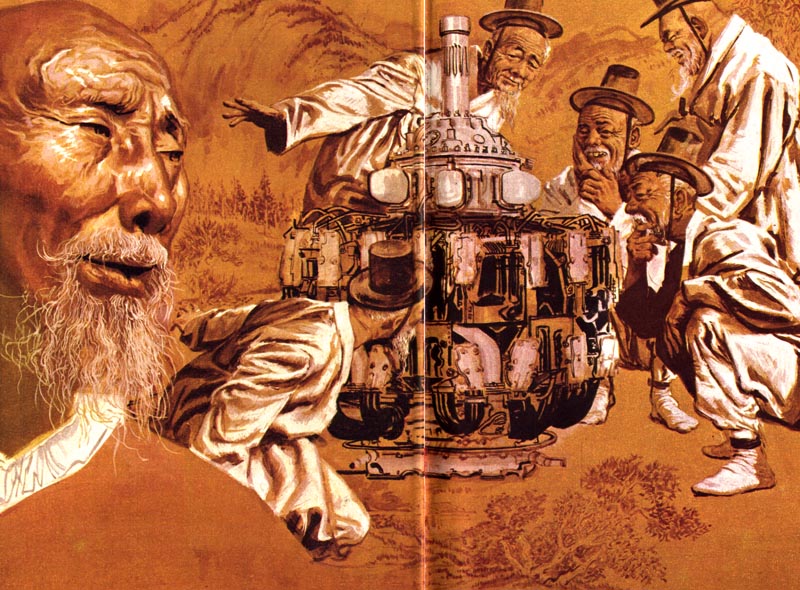
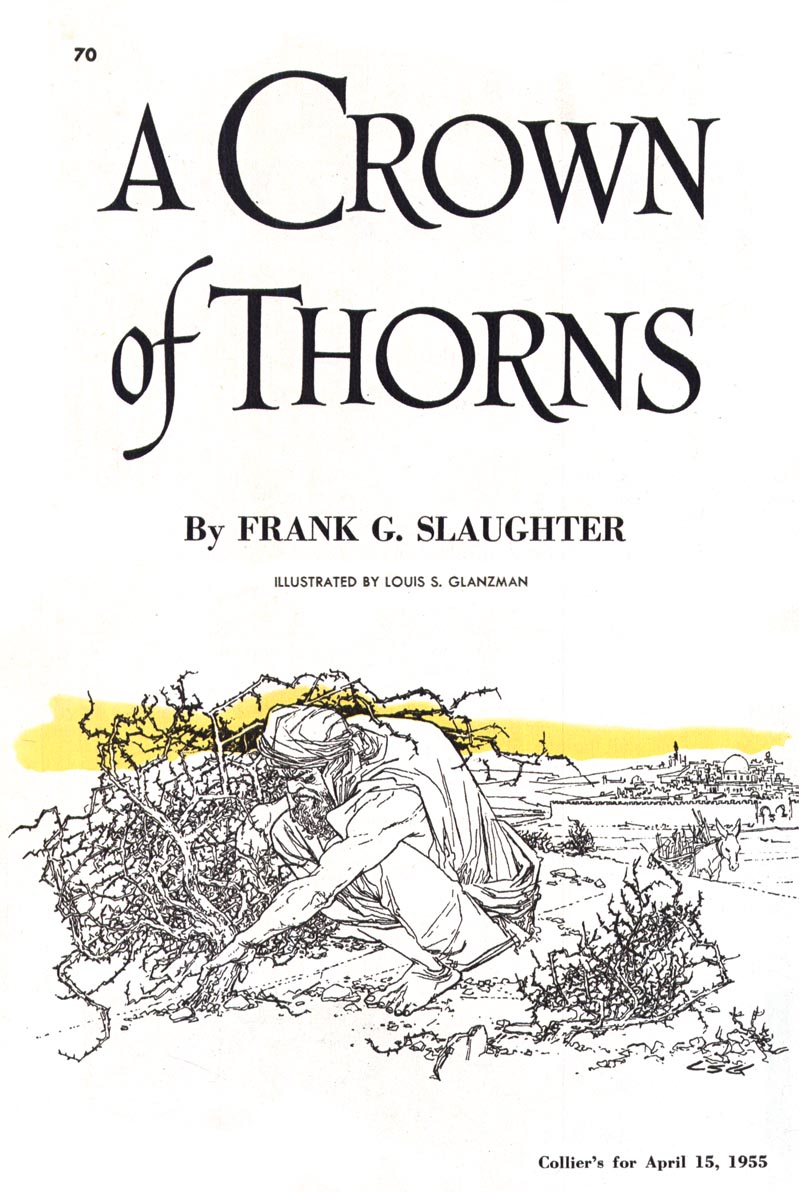
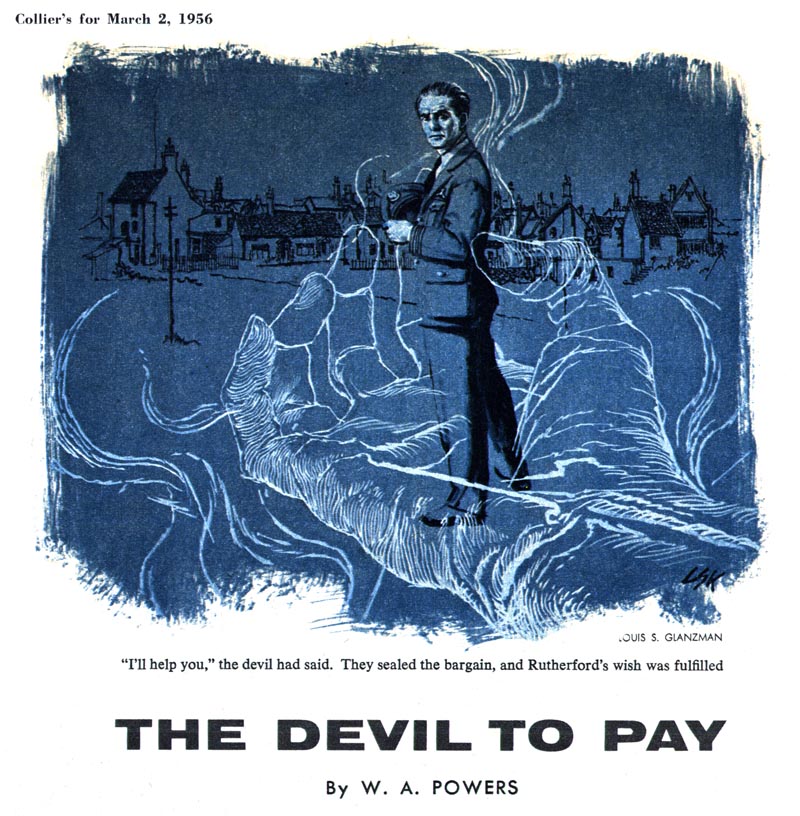
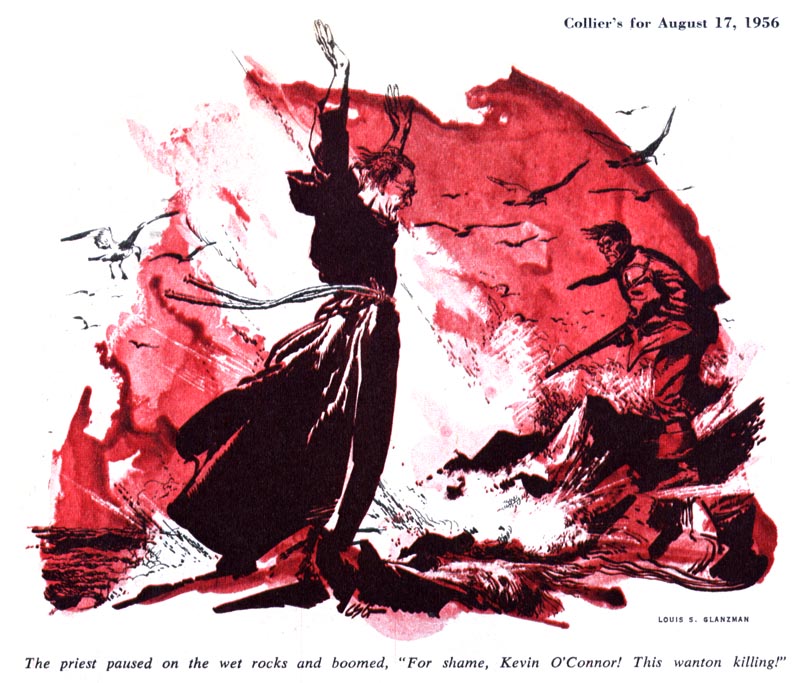
What I've done for this week is collect about a dozen pieces Lou did for Collier's magazine between 1952 and 1957 (when the magazine folded). I'm hoping to ask Lou some specific questions about those assignments over the course of this week and present the images along with his answers.


Unfortunately replies to my emails to Fran and Lou have been sporadic so I can't promise you we'll hear back from them in time... but "the show will go on" either way.


Louis Glanzman did some inspired work for Collier's AD, Bill Chessman, during the mid-1950s. Watching his style evolve and mature during this clearly busy time will be interesting, to say the least.

* Louis Glanzman's website

* My Louis Glanzman Flickr set.