Tuesday, September 08, 2009

Francis Marshall: "I sketched madly all the time"

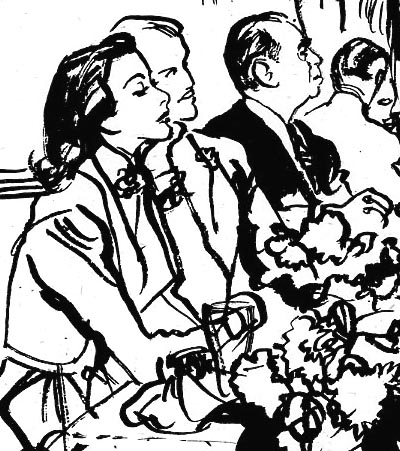
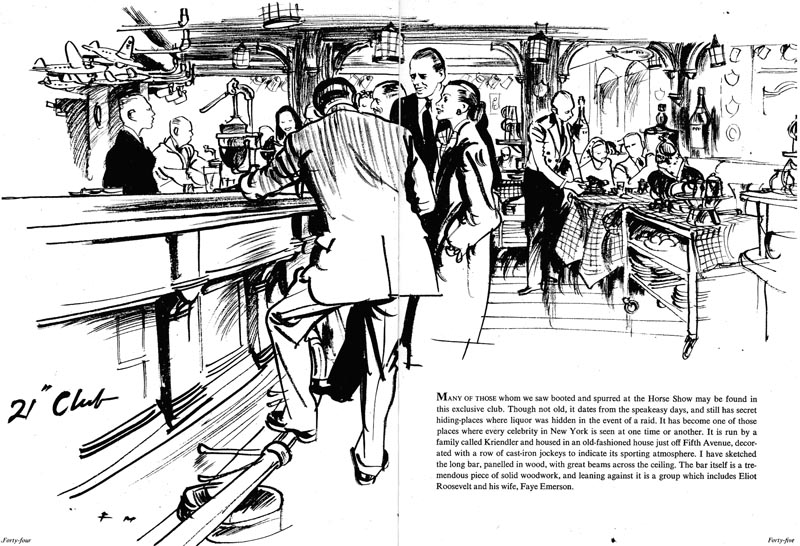
A tremendous response yesterday to what one commentor nicely described as Francis Marshall's "lovely spontaneous line."


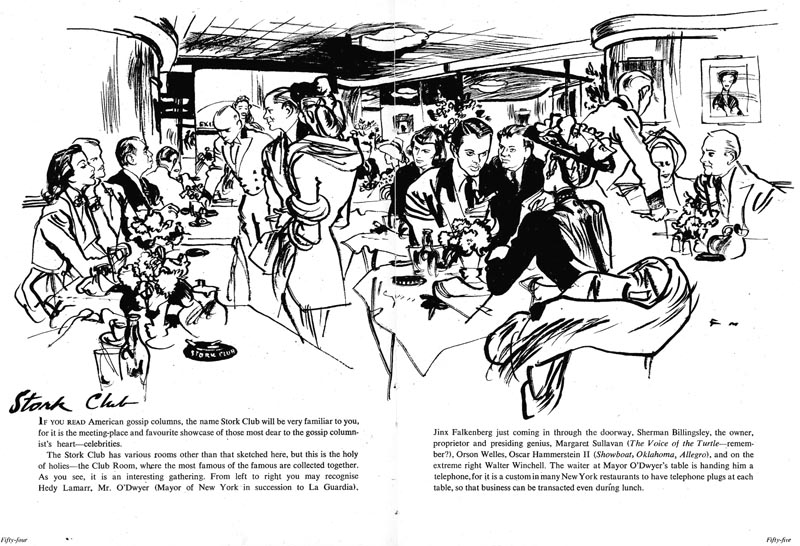
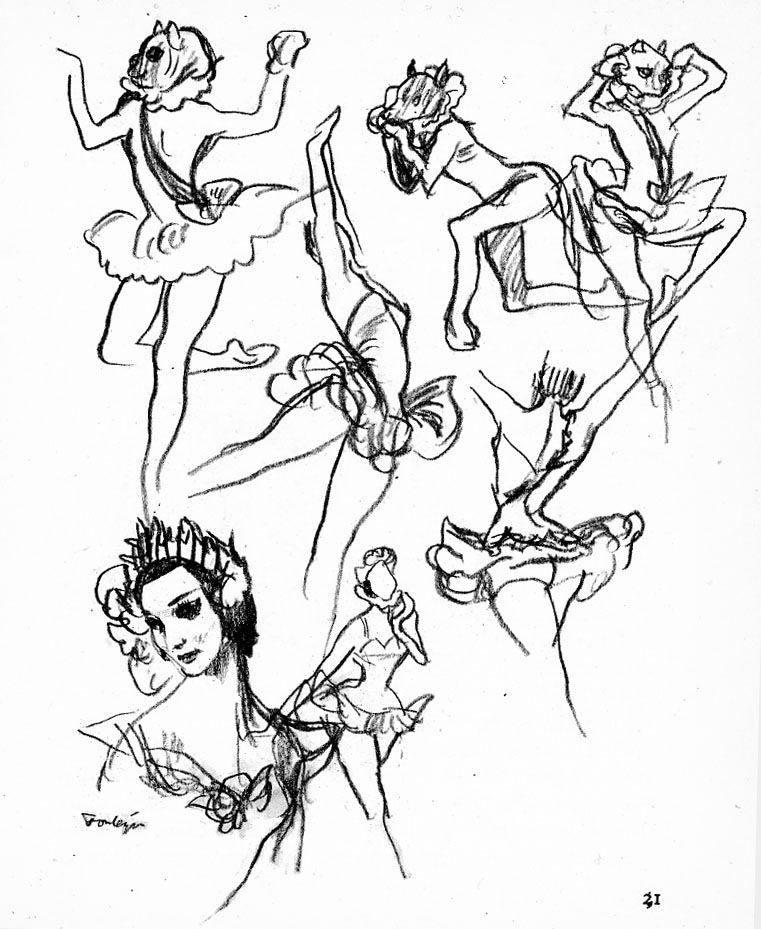
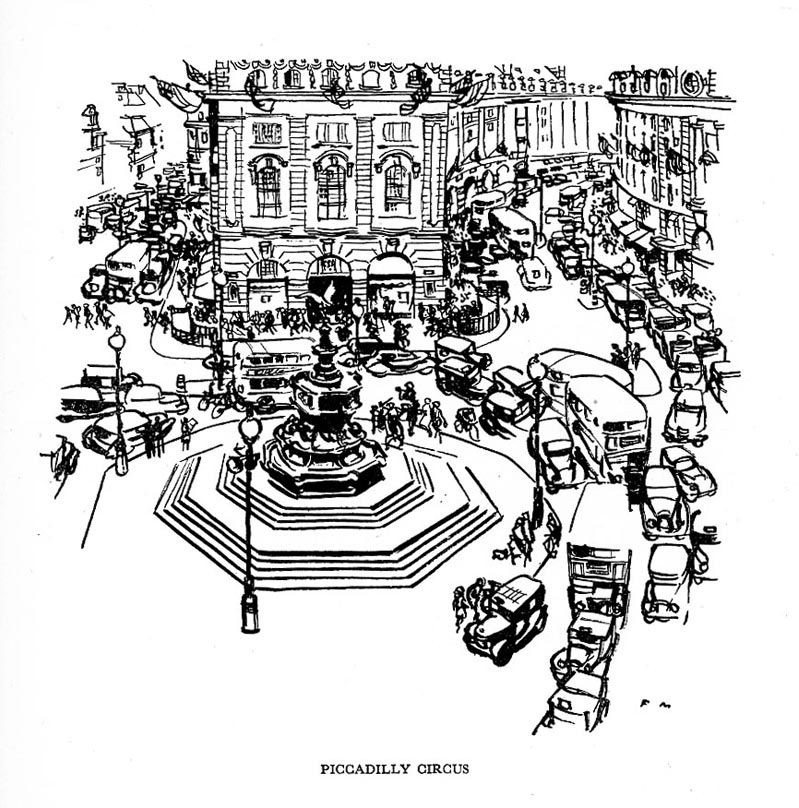
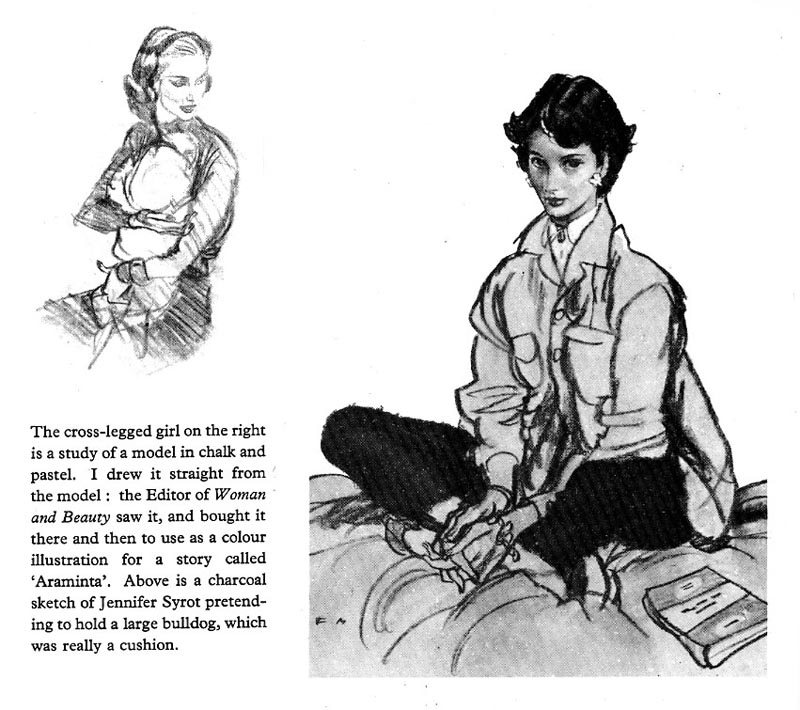
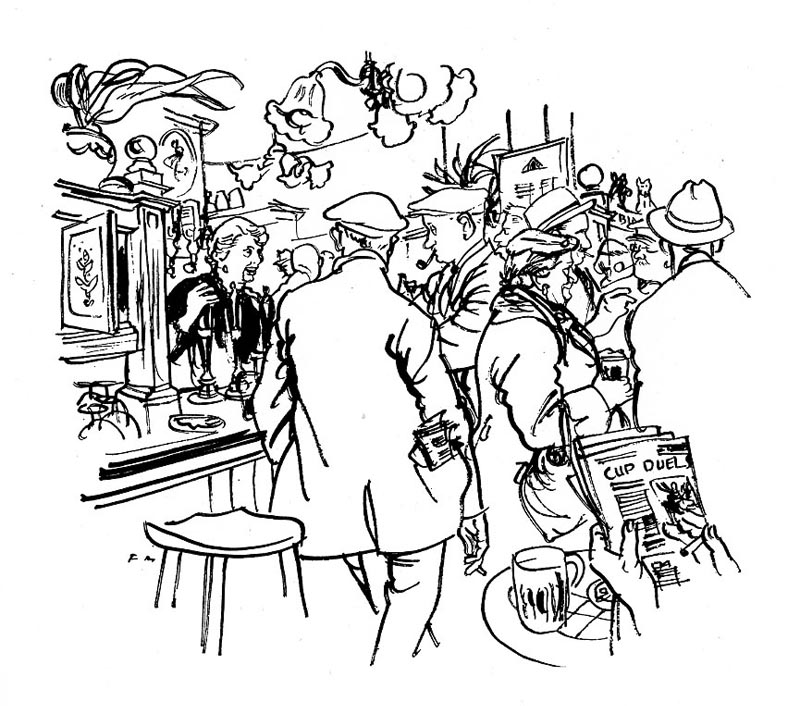
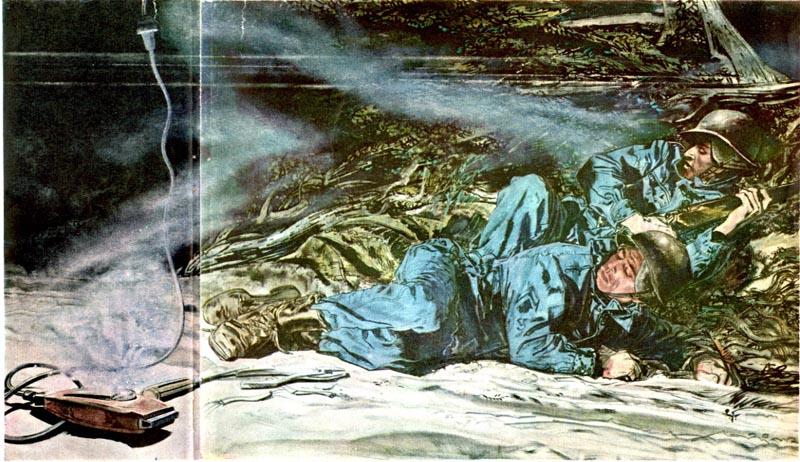
Here, once again thanks to TI list member Roger O'Reilly, are a few more examples from Marshall's 1940's - 50's period.
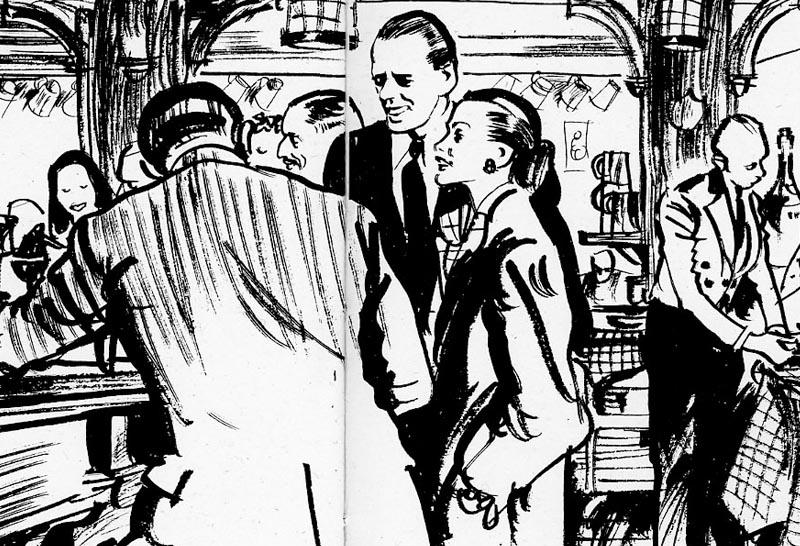

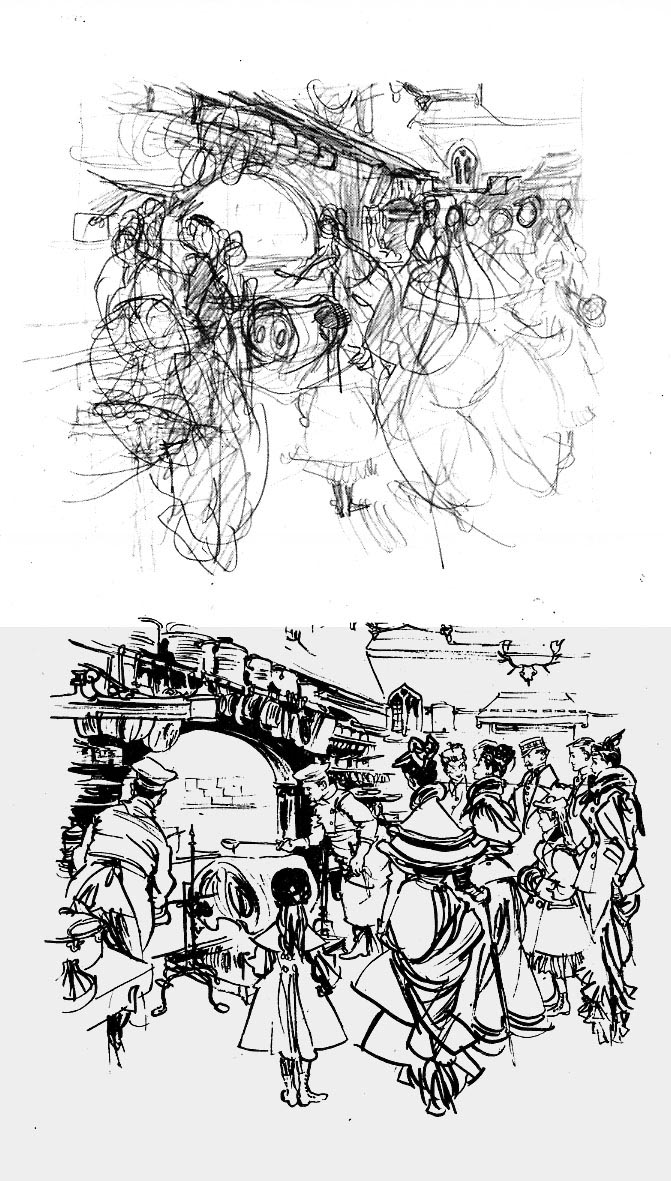
Here we see how Marshall built up his inked finish from his initial rough sketch.

Another commentor asked about the use of photo reference. Thanks to TI list member Brian Postman, who just this morning sent the scans below, we now have a better understanding of Francis Marshall's philosophy on that sometimes contentious issue.
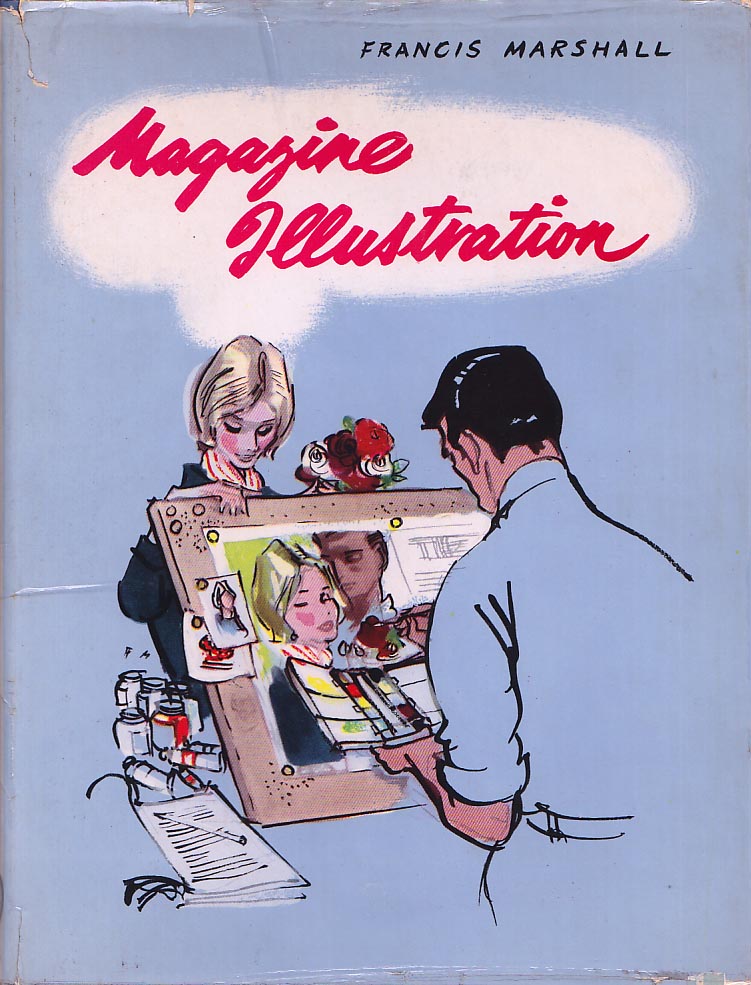

I had assumed the Francis Marshall was strictly a "from life" illustrator...
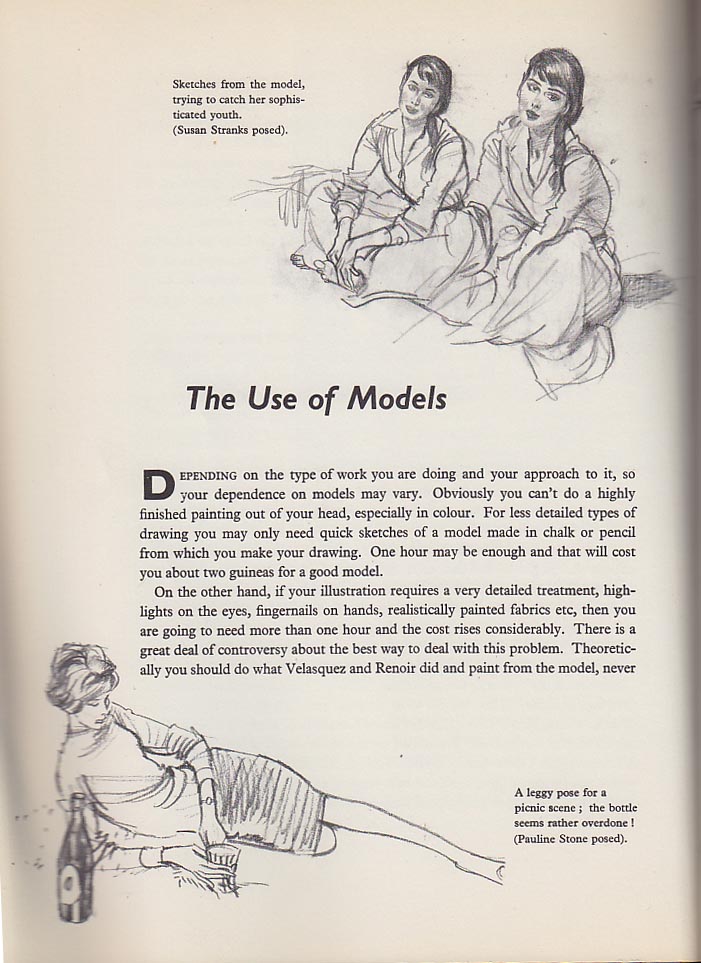

The text on these two pages certainly seems to bear that out.


But here he relates an anecdote of his trip to New York. He makes a point of saying, "Many American artists prefer to take a Leica about with them and take photos wherever they go and file them for reference, and this too is a good idea."
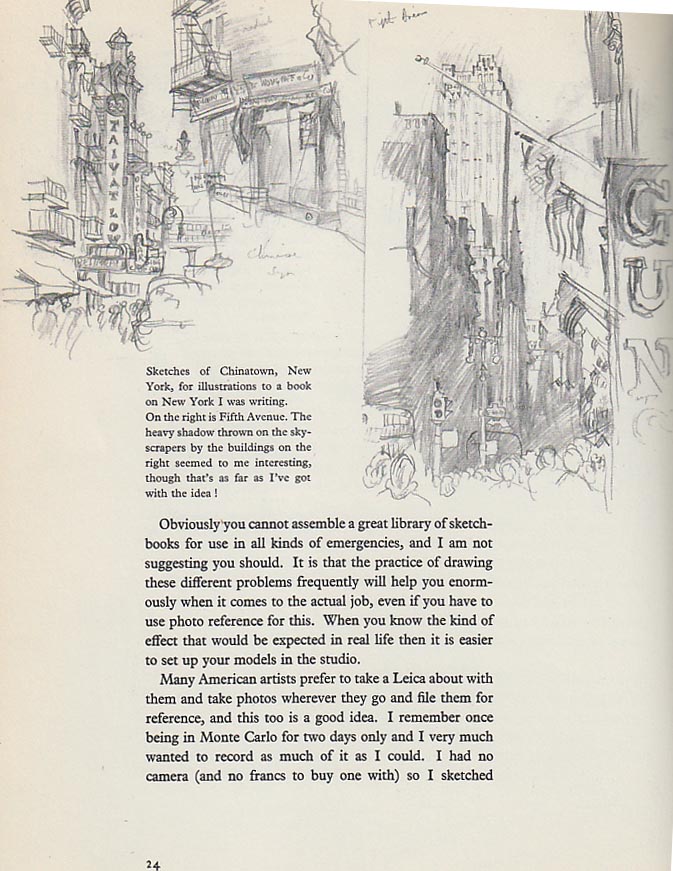

Marshall clearly wasn't just talking about other artists, because later he mentions that he would have liked to have a camera along on a trip to Monaco "there's no doubt that all Monaco would be in my reference library right now."


* Many thanks to Roger O'Reilly and Brian Postman for their generous contributions to this week's topic!

* My Francis Marshall Flickr set.

* And don't forget to check out Charlie Allen's latest CAWS. Once again, Charlie dazzles us with a tremendous range of styles and techniques from several decades of his career.

*AND* if you love great drawing (and especially if you love great drawings of gorgeous women) be sure to visit Storyboard Central, where TI list member Chris Turner has just dumped a TON of his amazing storyboard drawings from the 1980's!

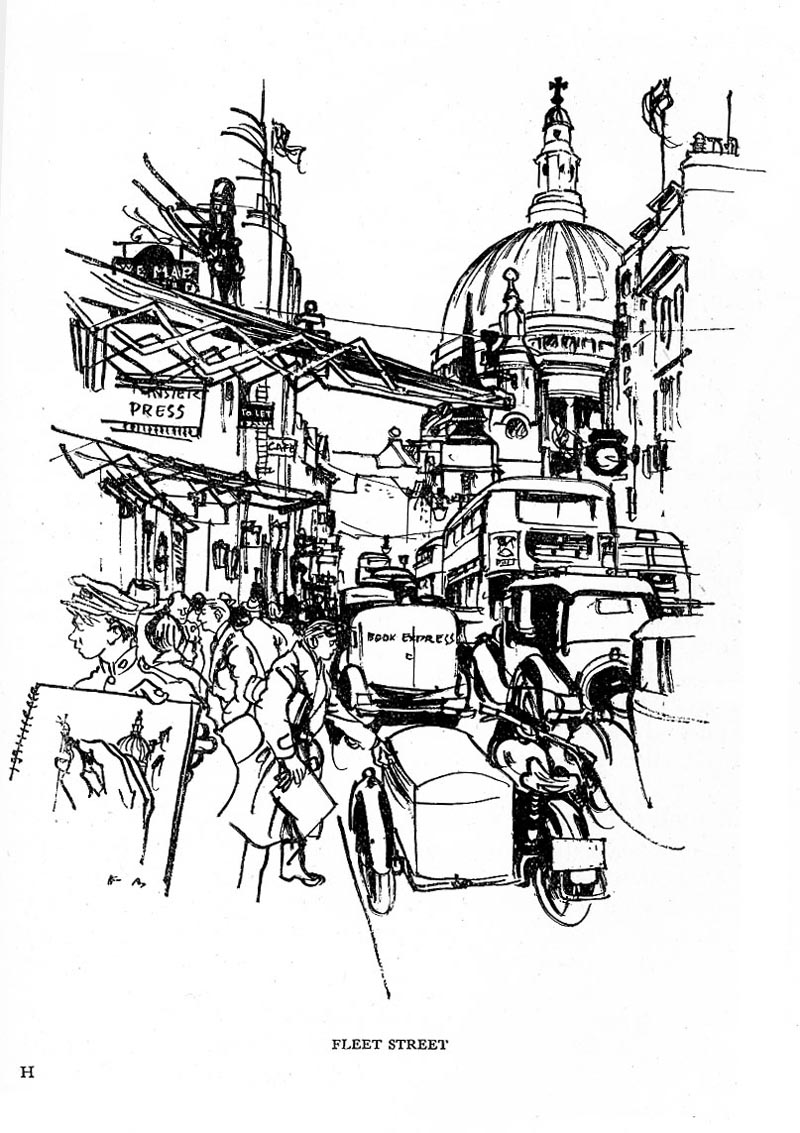
Monday, September 07, 2009

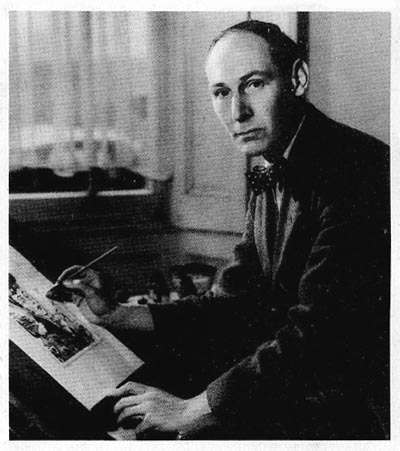
Francis Marshall (1901-1980)

TI list member Roger O'Reilly sent the scans you see below. Roger writes, "I've been a fan of [Francis Marshall's] work since I came across a postage stamp sized reproduction of one of his illustrations in a "how to" book many years ago. It wasn't until the arrival of secondhand book sites on the internet that I got the chance to start collecting his work. The pieces come from his publications ; "An Englishman in New York" (Stork and 21 clubs), "Magazine Illustration", "Sketching the Ballet" and " The London Book". Hope they're of interest to you and you can find some time to feature him on the blog sometime in the future."

Many thanks, Roger -- the work of Francis Marshall is very much of interest to me and I'm sure most of this blog's readers feel the same way.


Roger enclosed a page that provided a bit of biographical information about the artist. Marshall studied at The Slade School (the same school Robert Fawcett attended) and subsequently began a career drawing advertising illustrations. In 1928 he began a ten year relationship with Condé Nast, working for Vogue magazine in London and Paris.


A quote from a publication called "The Sketch":

"Francis Marshall is a terrific worker and when away from his studio seldom travels without a sketch book; draws everything everywhere - 'An Englishman in New York' being the result of a visit to America."


Marshall enjoyed sketching at the ballet at Covent Garden Opera House. "He can work under the greatest difficulties," writes the anonymous author, "he has been seen almost in darkness in a badly placed box sketching the elaborate trappings and mystical figure of Ram Gopal."


"Wherever he is, men and women of all types on their social workaday occasions, all are seen with a quick eye, rapidly sketched and added to his collection for future use."


"Best of all," continues the author, "Francis Marshall likes drawing beautiful women and with the advent of more paper for the press, his weekly fashion feature has returned to the Daily Mail. He has a flair for dress and his women are always gowned in the best style."


"Drawing clothes so that people wearing them really look as though they have an intelligent appreciation of dress, is a natural gift for him. There is little doubt that future generations will turn to his drawings to see what we wore and how we looked at this point in history."


"England has produced some grand black-and-white artists... that in Marshall we have an artist in pen and ink equal to the best of them is not yet fully realised."


"There is the same close observation of the human race and the ability to get down on paper in black and white, the human characteristics of living people."

Many thanks to Roger O'Reilly for providing the art and information for this introduction to the work of Francis Marshall!
*My Francis Marshall Flickr set.

Saturday, September 05, 2009

Your Assistance Is Requested

The world is a better place thanks to author/editor/publisher Manuel Auad, who is responsible for the three invaluable Alex Toth books, Alex Toth, Black and White, and One for the Road.

Now the man who wrote the book(s) on "the comic artist's comic artist" is nearing completion on what he calls his year-long "labour of love", a book on "the illustrator's illustrator", Robert Fawcett.


Manuel has reached out to ask the assistance of any Fawcett collector who might be able to identify the publication details of the two pieces shown here. Perhaps you have tear sheets from - or the actual issues of - The Saturday Evening Post these illustrations appeared in. Manuel would be most grateful to anyone who could tell him the story title, author, and publication dates.


"As always," writes Manuel, "I’ll be more than happy to credit anybody who can help me."

Here's hoping someone out there has the elusive information on these two pieces.

* My Robert Fawcett Flickr set.

Friday, September 04, 2009

A Few More Female Illustrators of the 50's

Actually, that should read "From the 40's, 50's and 60's" - the mid-century period with which this blog concerns itself. In a way I suppose I've been informally collecting the work of female illustrators from that era for several years now, making a mental note of how relatively rarely their work appeared compared with their male counterparts. There were a few (a very few) exceptions. We've examined the careers of some of those exceptions (Lucia Lerner, Barbara Bradley, Naiad Einsel, for instance) and will be looking at some others (Lorraine Fox, Sheilah Beckett and a couple of others) in the near future. But to finish out this week, here are some pieces from other female artists I've come across. In the case of these illustrators, I have only ever located one or a very few examples of their work - and I have no information about most of them (with a couple of exceptions you'll discover at the end of this post).

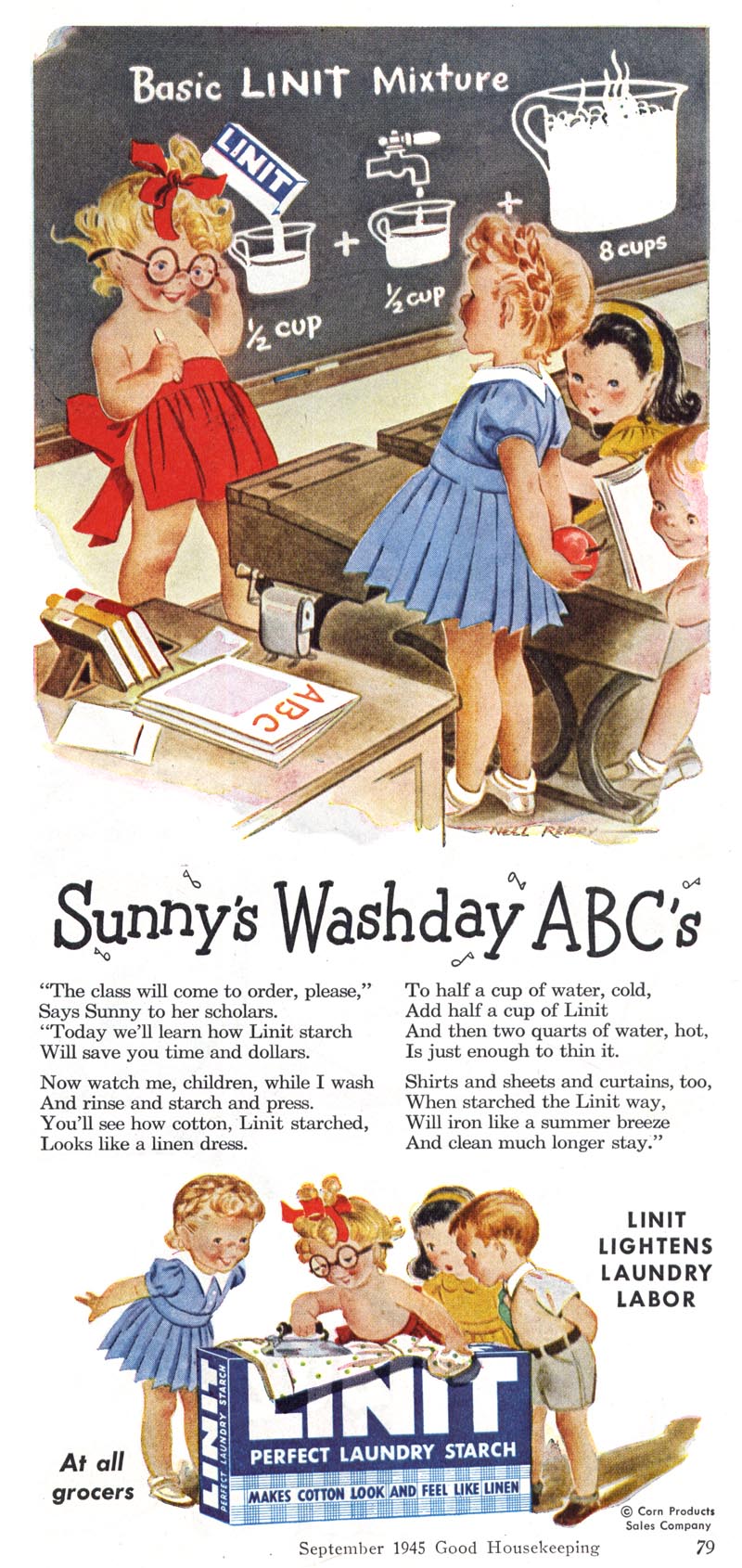
Nell Reddy


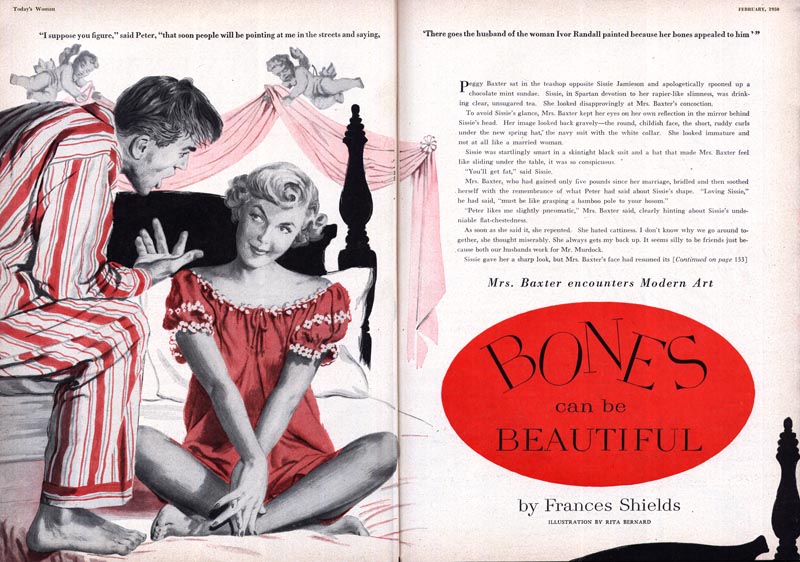
Rita Bernard


Mary Suzuki


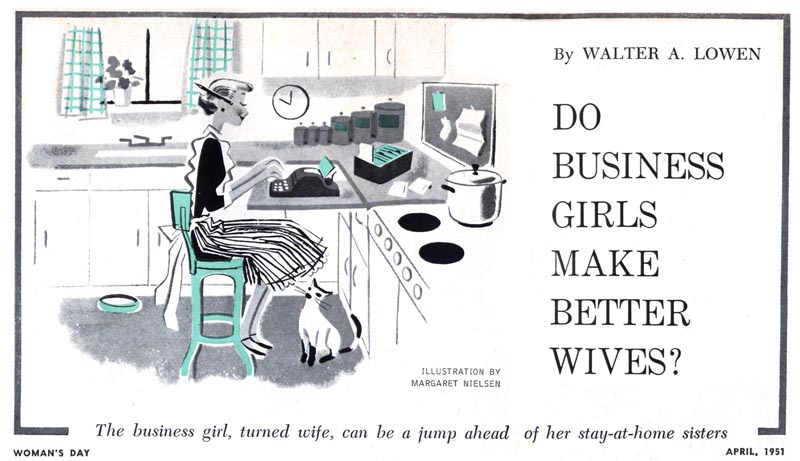
Margaret Nielsen


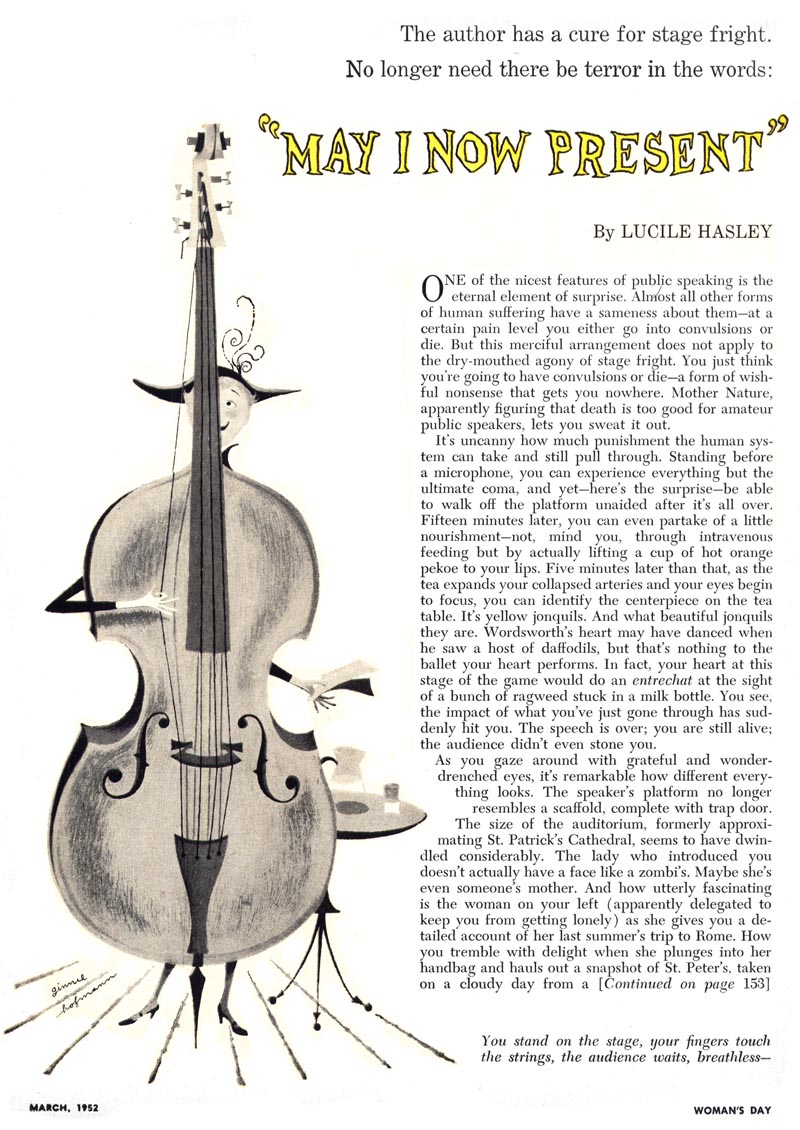
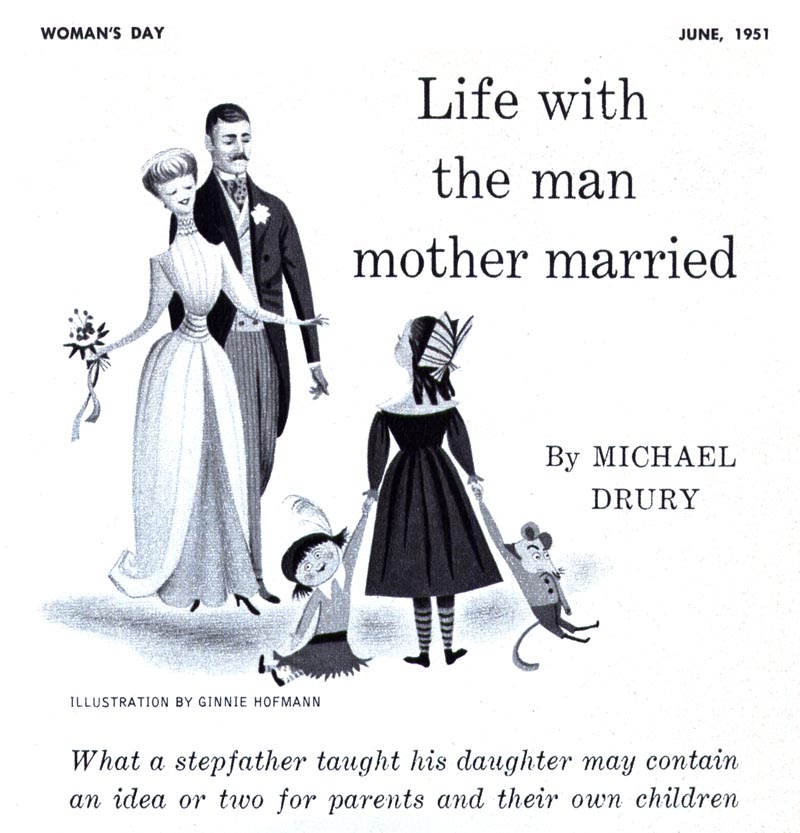
Ginnie Hofmann


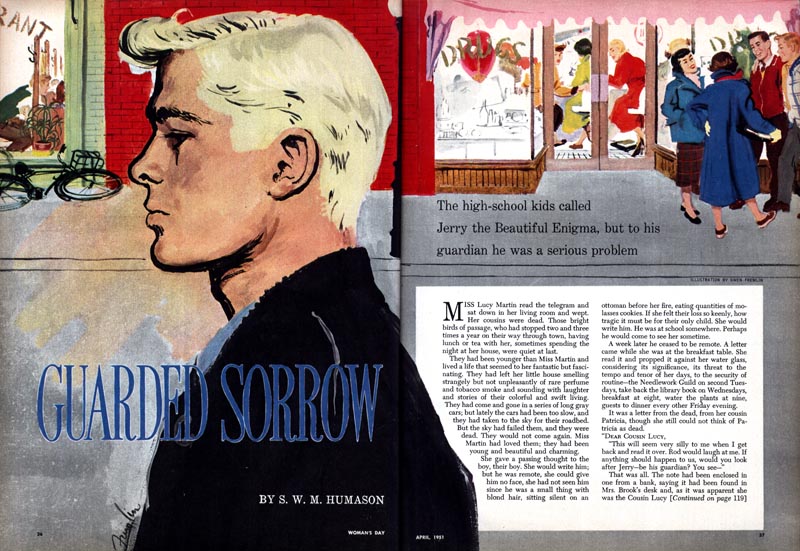
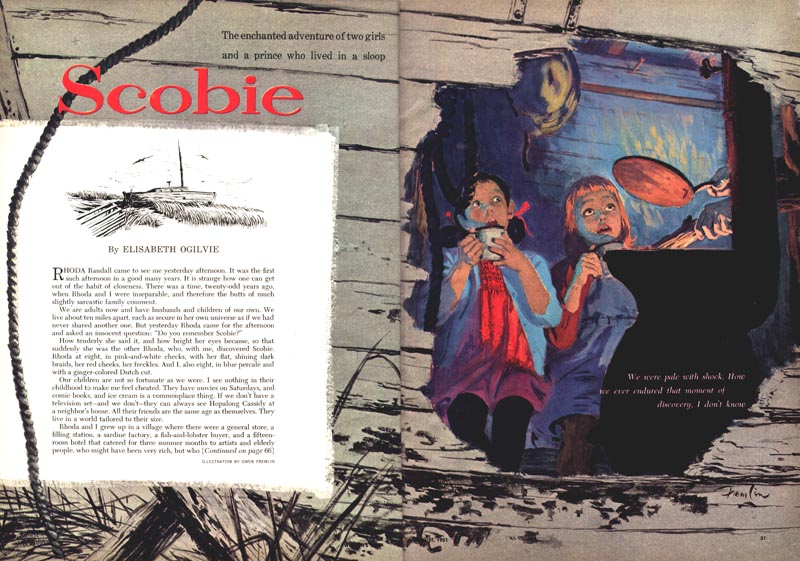
Gwen Fremlin


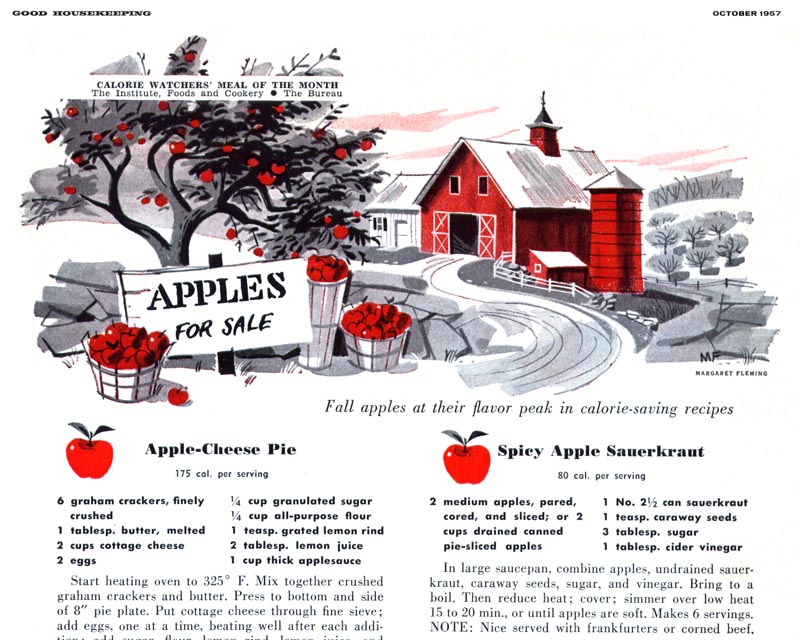
Margaret Fleming


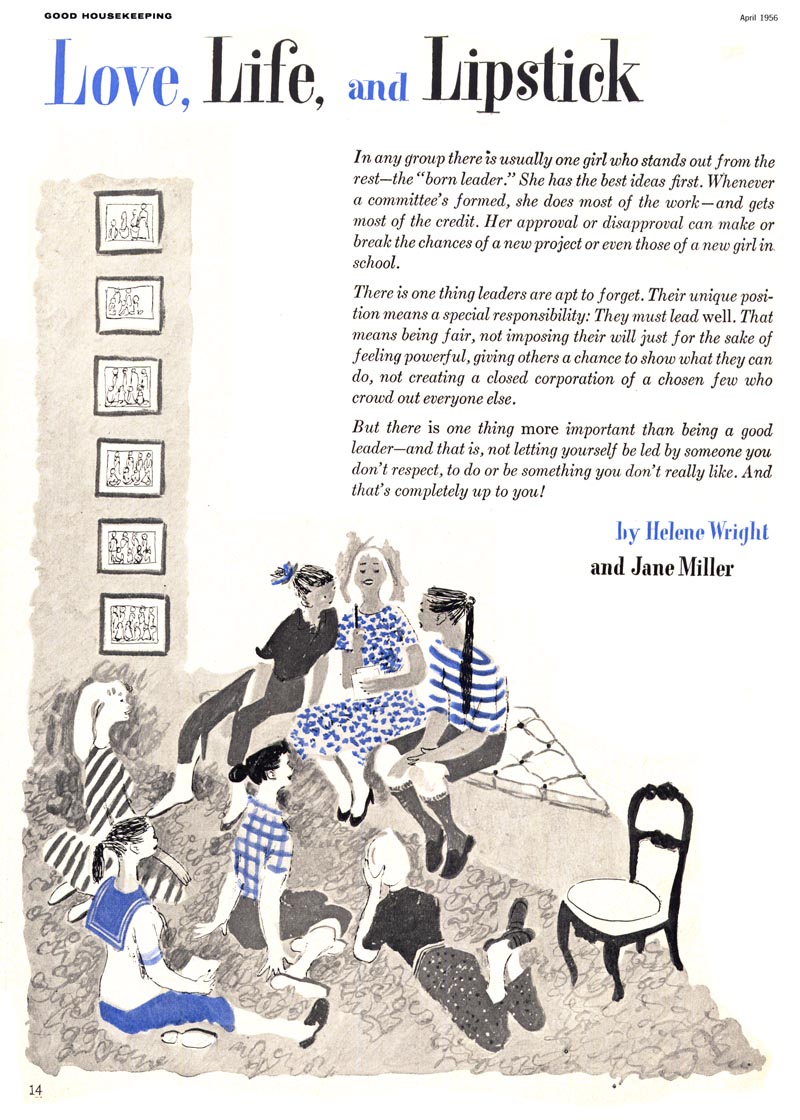
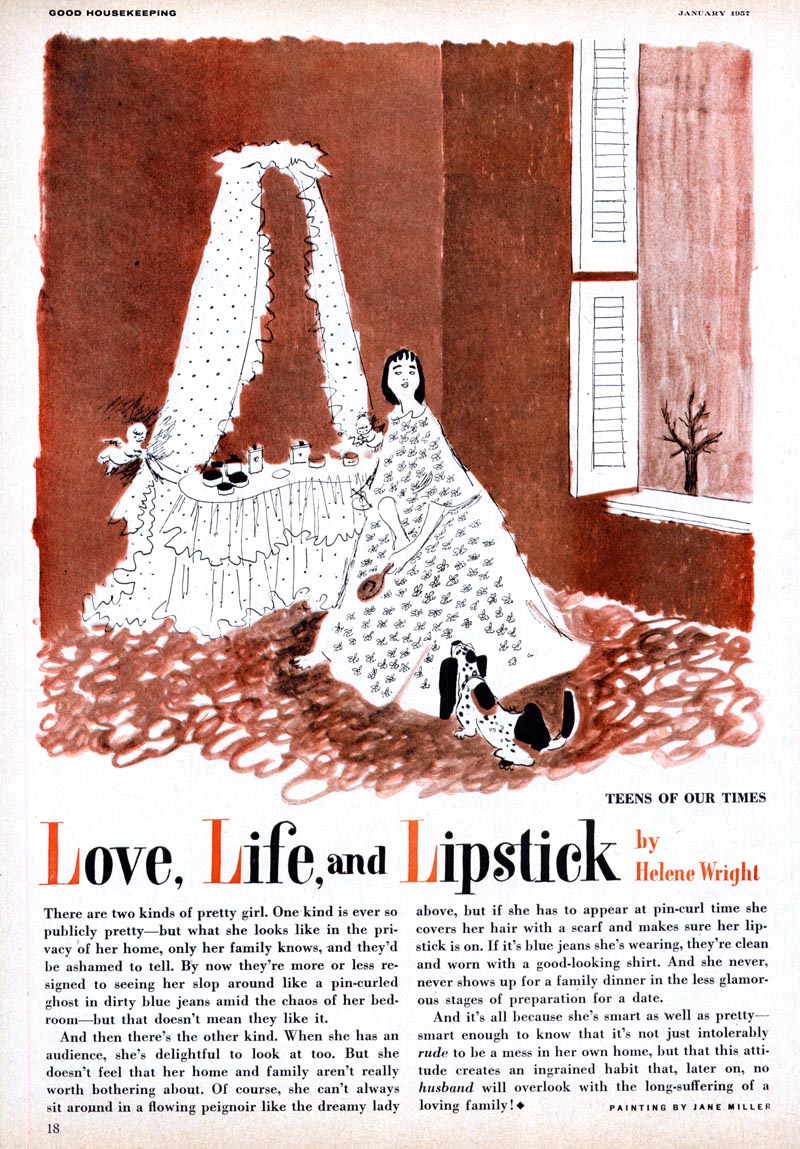
Jane Miller


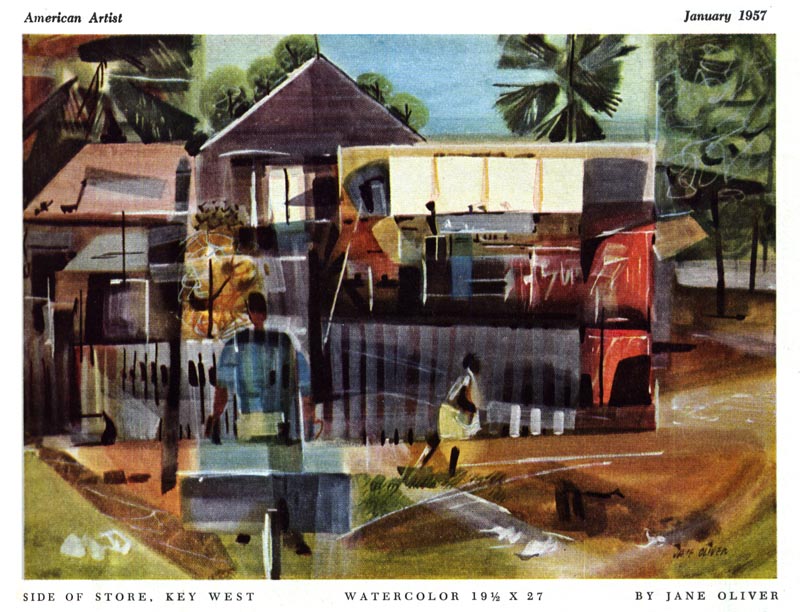
Jane Oliver

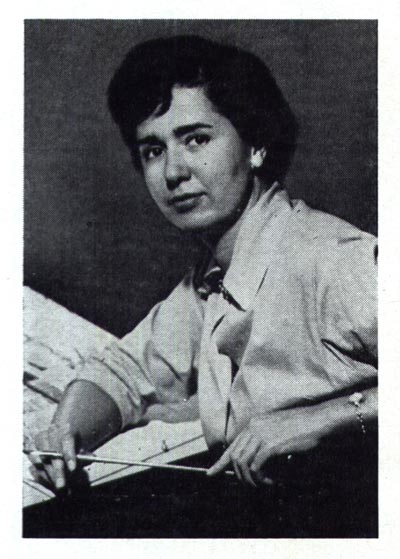
Jane oliver was born in West Haven, Connecticut in 1921. She studied at the Franklin School of Professional Arts on a scholarship for three years. For her work Oliver received the Klein and Grumbacher awards, the Stroud prize, was honoured by the Audubon Artists, the American Watercolor Society, was awarded the medal of Honor from the National Association of Women Artists.


I previously located two pieces by Oliver for Collier's magazine, and the piece below and the the photo of Jane Oliver presented here appeared in the January 1957 issue of American Artist magazine. In the article on her watercolor technique, Oliver describes herself as a "regularly employed artist working in the commercial field." No other details are given.


* My Jane Oliver Flickr set.

Mia Carpenter

Mia Carpenter was born in California in 1933. She studied at Art Center School in L.A. and received her first assignment from Seventeen magazine in 1957. She went on to illustrate for all the major magazines, and in 1962, the year the piece below appeared in Good Housekeeping, Carpenter received a gold medal for advertising from the Society of Illustrators.

Walt Reed's Illustrator in America tells us that Carpenter later worked as a sketch artist for the film industry and for numerous agencies in the Hollywood area.


Over the years I've had numerous requests from artists and educators who wondered if there were any female illustrators during the mid-century period. In a field where there was already woefully little in the way of historical documentation, there clearly was even less information on women artists. Hopefully this week - and the previous posts on other women artist presented here over the last few years - will in some small way rectify that situation.

Thursday, September 03, 2009

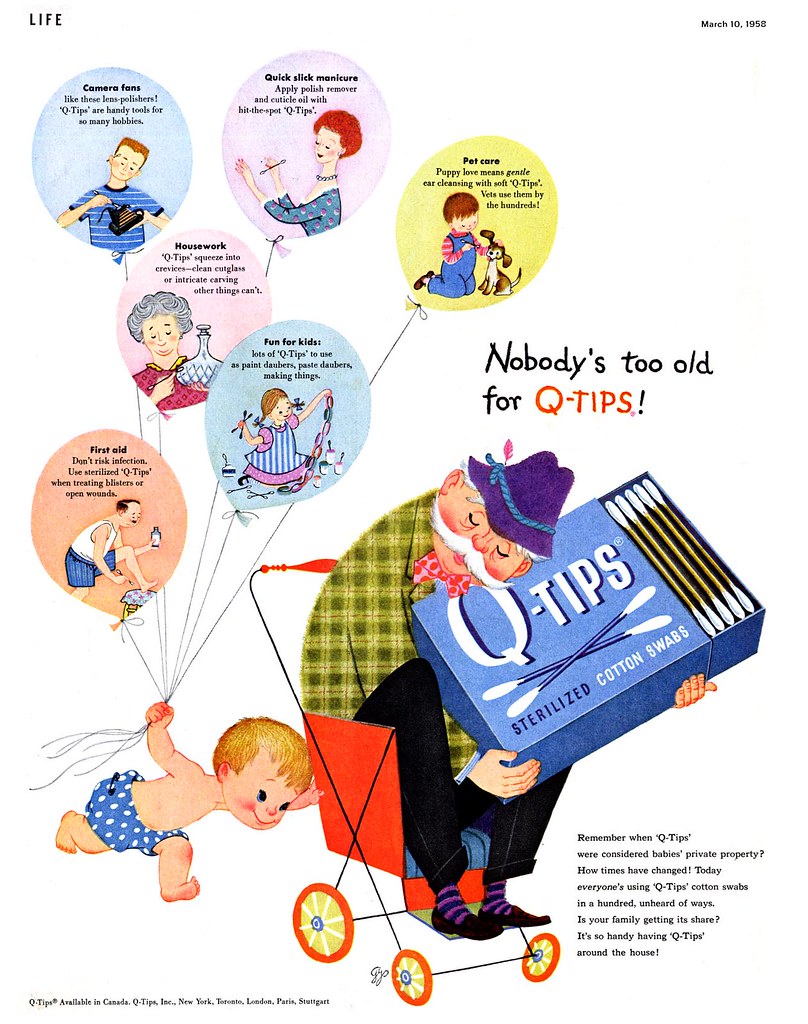
Female Illustrators of the 1950's: Gyo Fujikawa

Gyo Fujikawa was born in 1908 in Berkeley, California. She attended the Chouinart Art School in L.A. where some of her fellow students were Hardy Gramatky and Harry Diamond.


In 1932 she travelled to Japan to study the techniques of the Japanese artists...


but returned to the States in '33 because, she said, the Japanese masters would not teach her anything unless she was prepared to spend a year just learning the "business of how to hold a brush in the proper manner."


She instead settled into a job with Bullock and Marston on the West Coast, and then later with Disney Studios.


An article in the May 1954 issue of American Artist magazine describes how Fujikawa developed a special interest in children's books around that time. She eventually went on to illustrate five -- and to write and illustrate another forty five that combined, sold over a million copies.


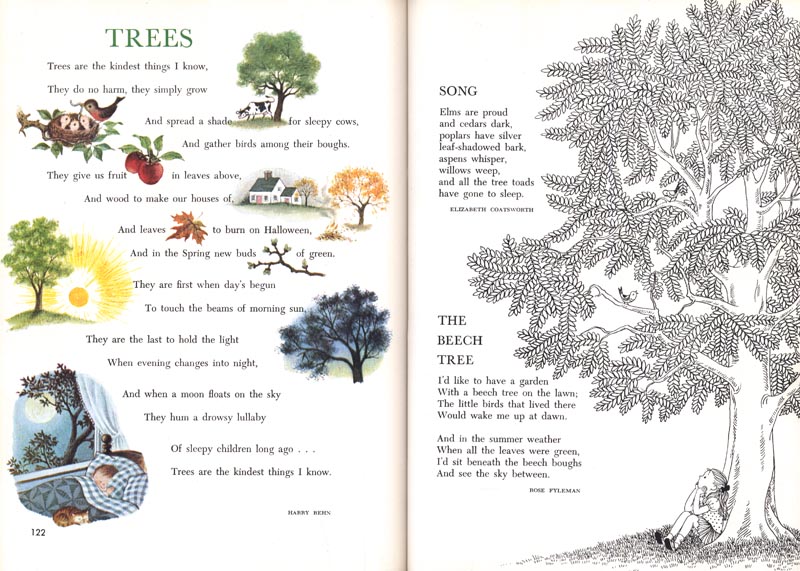
During her long career she also contributed to the major magazines, to booklets, and pamphlets for medical and technical organizations, to textbooks (as seen in these examples from the 1960's Childcraft children's encyclopedia volumes) and as recently as the 1990's, she designed 6 postage stamps for the U.S. Post Office.

"Her pictures are full of inventiveness," wrote Ervine Metzl in the American Artist article on Fujikawa.


"Anything from a single figure to an all-over design has in it the characteristics of a tapestry. Each corner is full of its own individual excitement."

"Her work is diversified. She is completely at home with layout and the use of type."


"In fact, nothing seems to stop her."

* My Gyo Fujikawa Flickr set.

Wednesday, September 02, 2009

Female Illustrators of the 50's: Mary Mayo

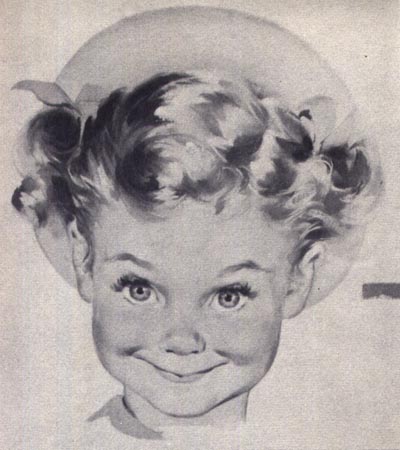
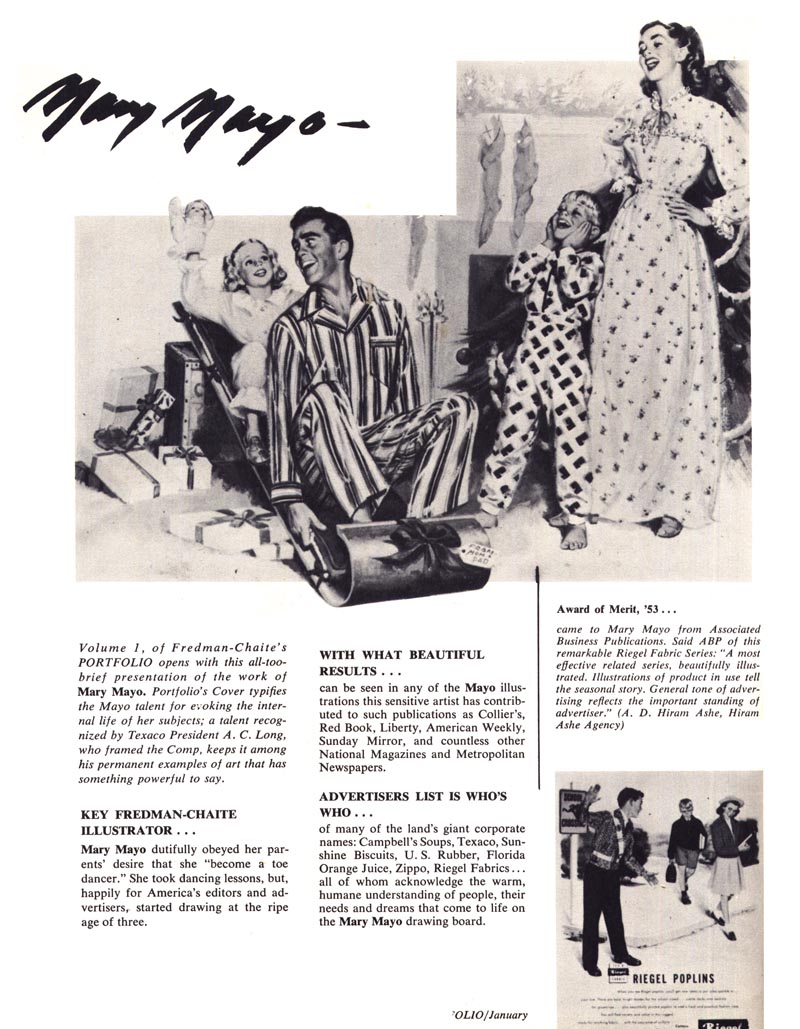
If Barbara Bradley was Charles E. Cooper's reigning "Queen of the Perkies and Cutes", then Mary Mayo must surely be recognized as her opposite number at rival art studio Fredman-Chaite. Despite having some of the hottest talents in New York on their roster (The young Bob Peak, for example) it was Mary Mayo who was chosen to represent F-C on the cover of the first issue of their promotional magazine, Portfolio.


Mayo's painting style suggests she might have trained under the tutelage of Haddon Sundblom, the great Chicago advertising art master responsible for launching the careers of so many other recognized mid-century illustrators.


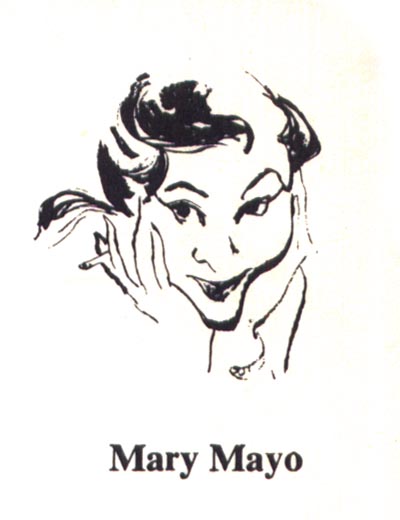
That's pure speculation on my part, however. Unfortunately there doesn't seem to be any biographical information available on Mary Mayo, aside from her birth and death dates (1924-1985) at askart.com and the tiny tidbit of background info in the F-C Portfolio that Mayo began drawing at age 3.


What's clear is that she was a very accomplished mainstream illustrator who's abilities landed many advertising assignments for the Fredman-Chaite studios.


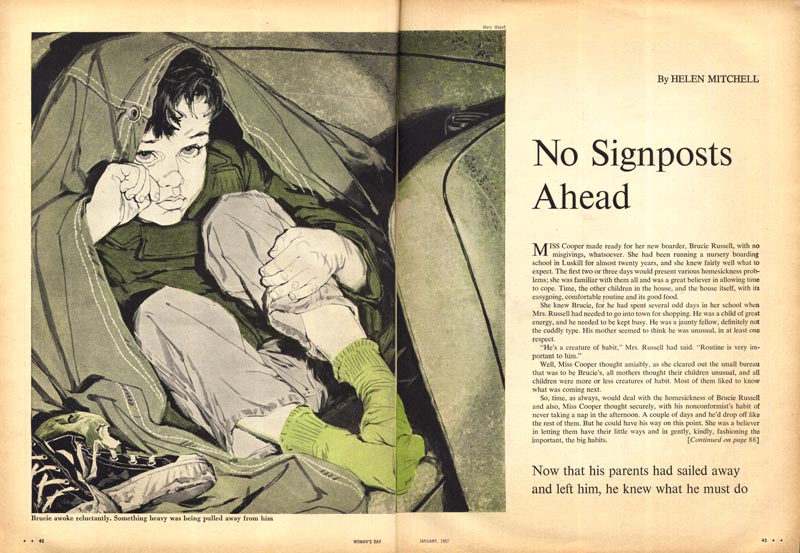
Whether these projects kept her too busy to pursue editorial work or if it was a conscious decision on her part to focus on advertising is unknown. I can tell you only that she is absent from the story pages of all the hundreds of 1940's and 50's magazines in my collection -- with this one exception below: a 1957 issue of Woman's Day credited to "Mary Mayot" (which has to be a typo).


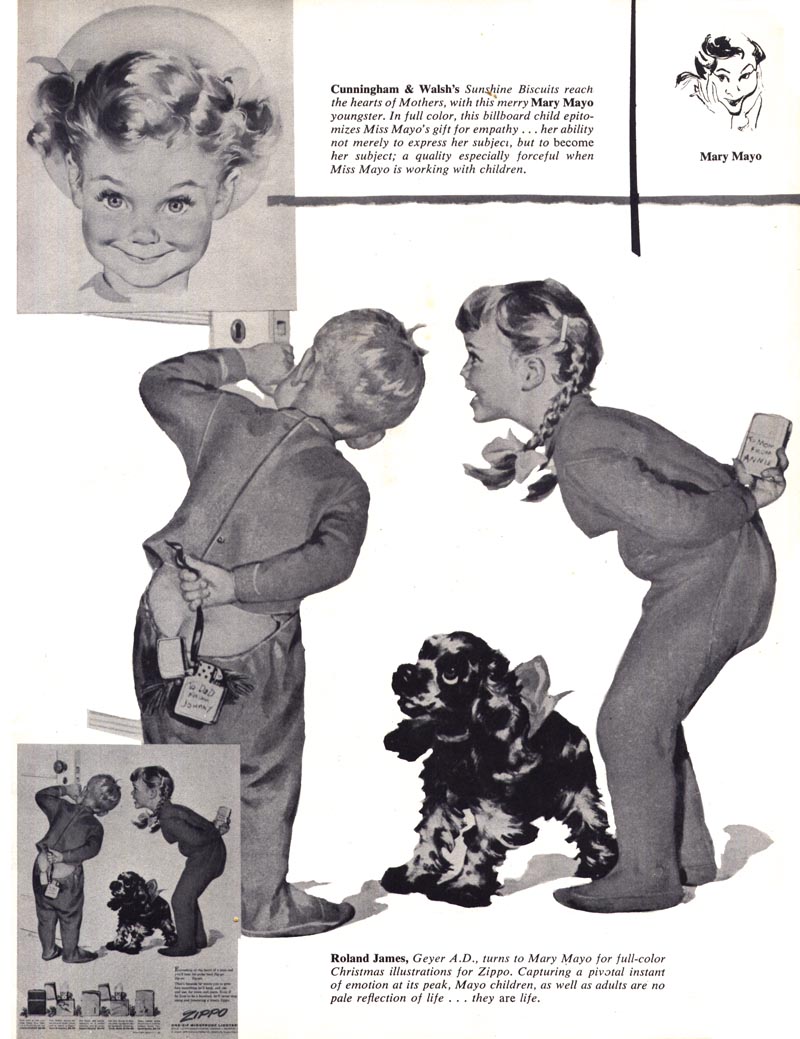
What quickly becomes evident is that just as Barbara Schwinn's abilities lead to her becoming a specialist in portraiture, clients especially valued Mary Mayo's abilities in illustrating children. "This billboard child epitomizes Miss Mayo's gift for empathy... her ability not merely to express her subject, but to become her subject," says one blurb in the F-C Portfolio, "a quality especially forceful when Miss Mayo is working with children."


And another lists her many high profile clients who praise "the warm, humane understanding of people, their needs and dreams that come to life on the Mary Mayo drawing board."


My Mary Mayo Flickr set.

Tuesday, September 01, 2009

Female Illustrators of the 50's: Barbara Schwinn

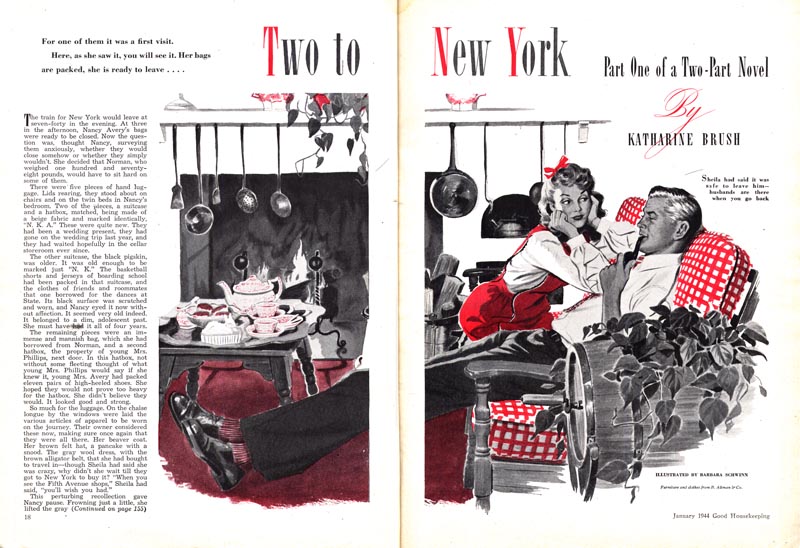
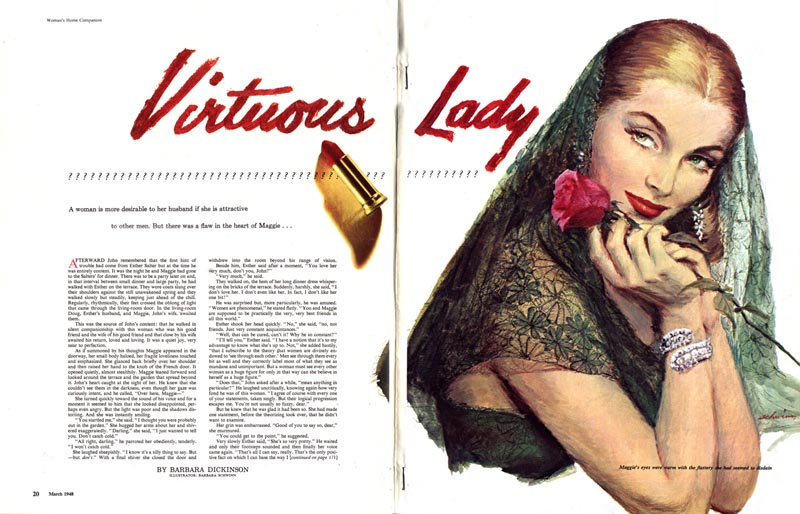
If any one female illustrator of the 50's can claim to have held her own with the top romance story artists of the day, it would be Barbara Schwinn. Her work appeared almost as regularly in magazines like Ladies Home Journal, Good Housekeeping, Woman's Home Companion and so on, as did the work of Coby Whitmore, Al Parker or any of the other 'usual suspects'.


Walt Reed's Illustrator in America tells us that Schwinn was born in 1907, wanted to be a fashion designer from the age of 12, studied at Parson's ( both in New York and Paris) and began her professional career drawing fashions and accessories for department stores. I was surprised to learn that her next job was drawing "continuity comic strips" (I wonder which ones?) before settling into the magazine illustration career I'm more familiar with.


Over time Schwinn's specialty seems to have become portraiture, as more and more often was evident in the type of magazine assignments she produced.


Reed's biography of Schwinn states that she was commissioned to paint the portraits of Queen Sirikit, Princess Margaret and Princess Grace, Deborah Kerr, Conrad Hilton and many others.


* My Barbara Schwinn Flickr set.

* Also: Be sure to visit Charlie Allen's Blog for the latest CAWS: "Odds and Ends"