Showing posts sorted by relevance for query provensen. Sort by date Show all posts

Wednesday, June 17, 2009

The Provensens & Tony the Tiger

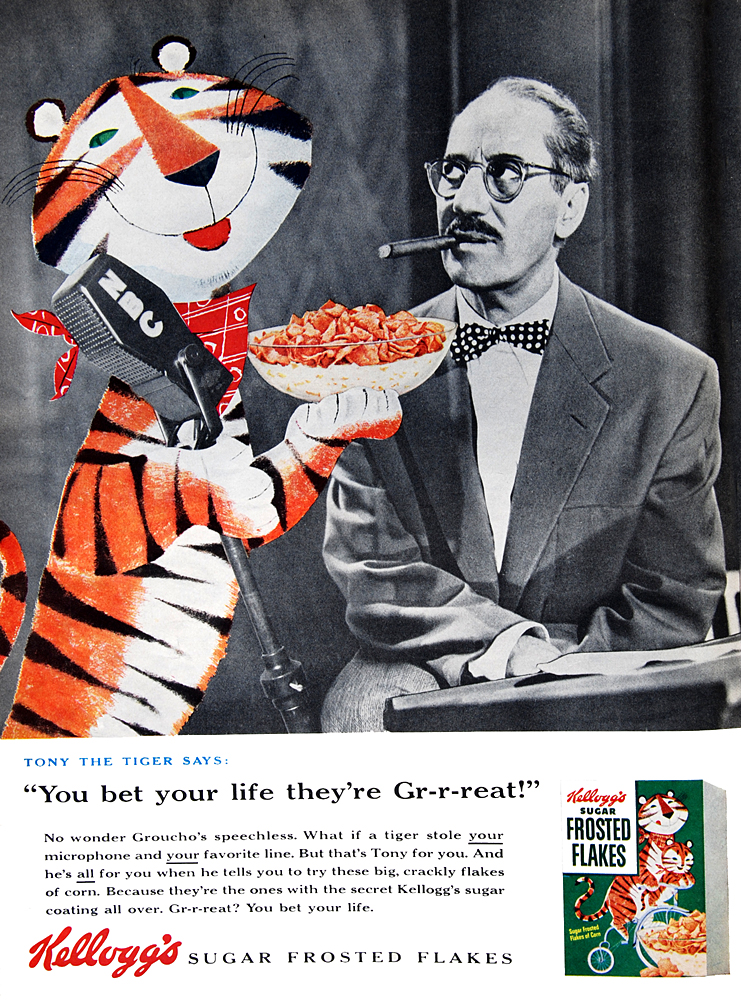
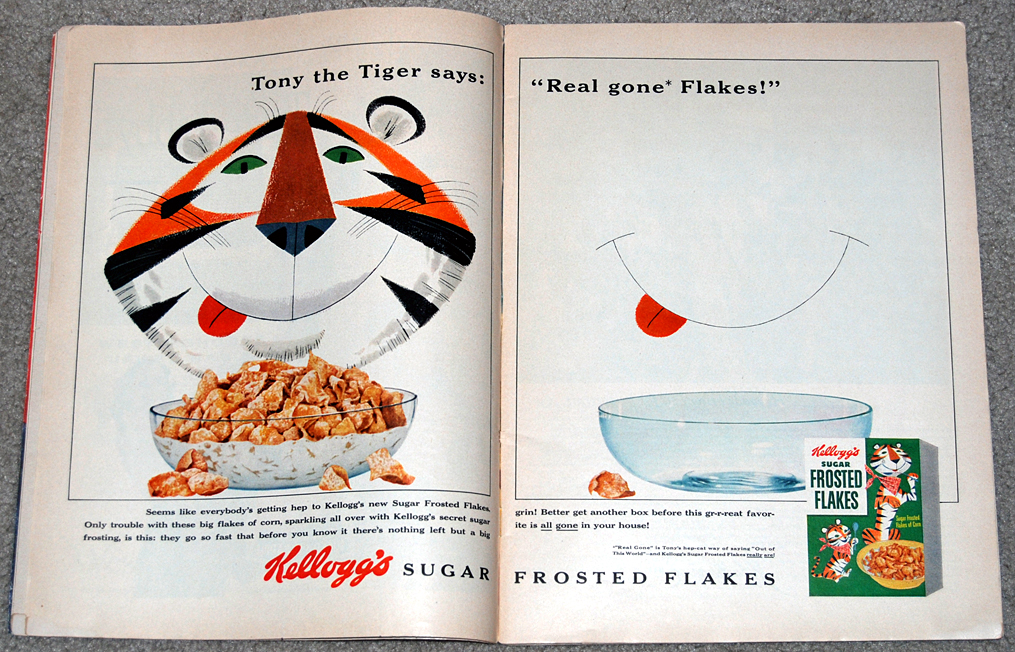
Here's a famous couple. You probably already know quite a bit about the guy on the right, but I'll bet you don't know who created the fellow on the left.


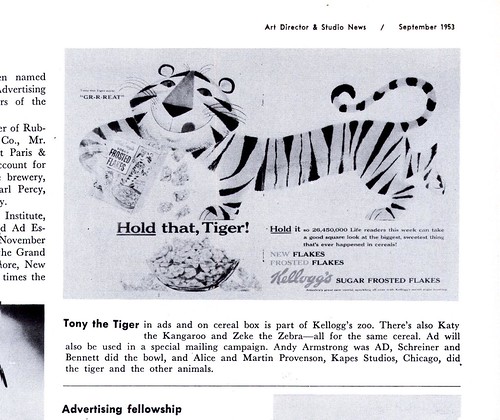
He was designed back in 1952 by another famous couple: Martin and Alice Provensen.

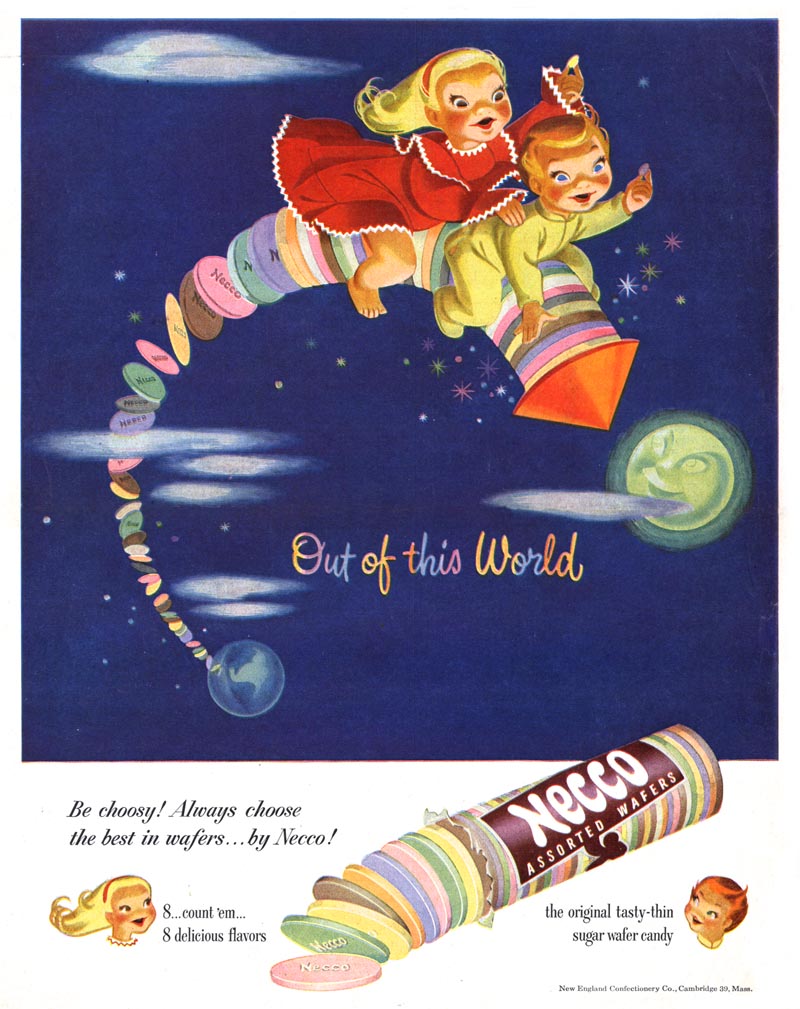
Tony the Tiger's birth was noteworthy enough to make it into the news briefs section of the September 1953 issue of Art Director and Studio News. The short piece mentions that Tony was not the only cartoon mascot intended for Kellogg's Frosted Flakes. There was also Katy the Kangaroo and Zeke the Zebra, and from doing a little research I discovered that Elmo the Elephant and Newt the Gnu were also under consideration.
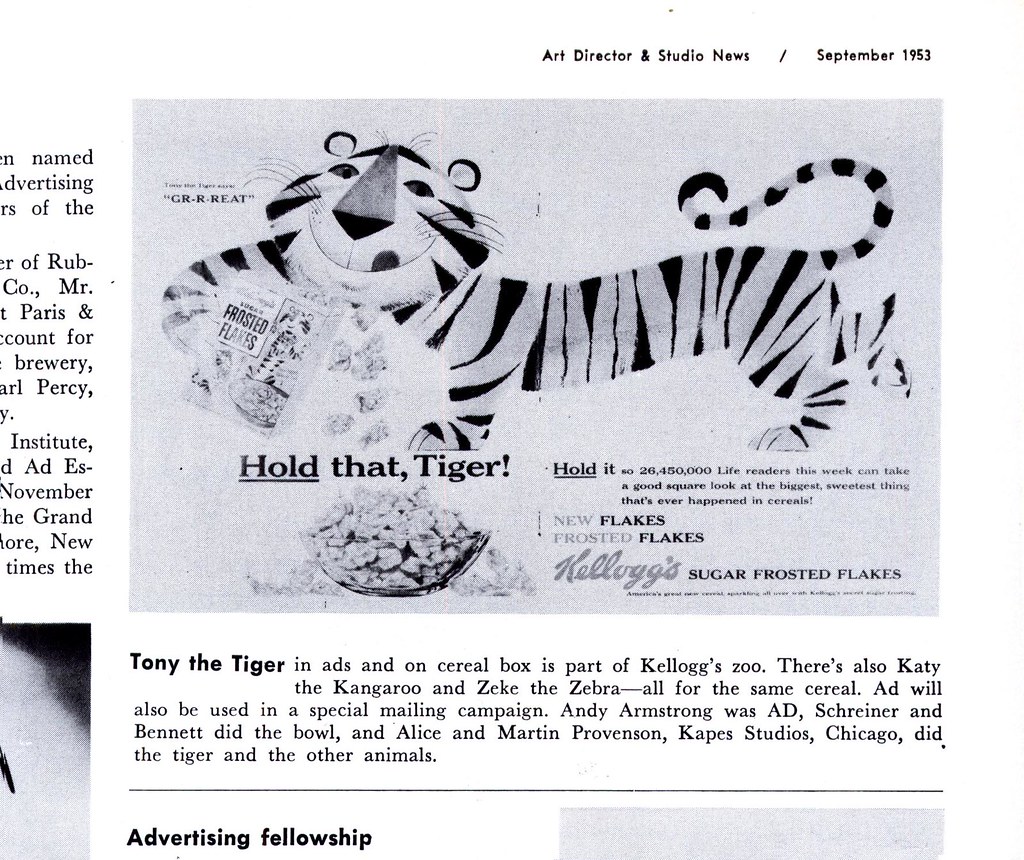

The article further states that the Provensens worked for Kapes Studio in Chicago. I managed to turn up a late 1952 ad for Kapes - and although it lists what artists the studio repped, Alice and Martin are not among them. Perhaps they joined Kapes at some point early in 1953? We can only guess. But being relatively new in the business, it seems a safe bet that Jack Kapes or one of his sales reps (if he had any) can take the credit for showing the Provensens' portfolio to the Leo Burnett agency and landing them this plum assignment.


And plum it was! The Provensens, more used to the lower-paying fees of the childrens book market, must have earned some lucrative commissions from the extensive magazine ad campaign Kellogg's rolled out for Frosted Flakes.


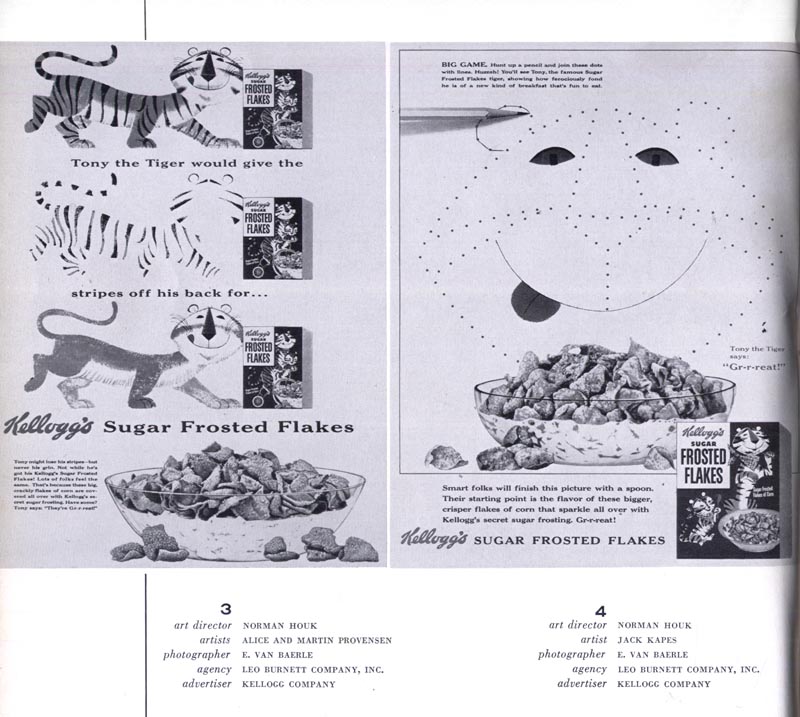
Along with some decent ad dollars, Tony provided the Provensens with some decent exposure: the illustrations the Provensens created of Tony earned them their only inclusion in the New York Art Directors Club Annuals of the 50's decade. The two ads below were presented at the very front of the "Ad Layout" section of the 1955 AD Annual.

That makes them practically the very first visuals you see as you open the book. I'll bet that didn't hurt the Provensens' reputation!

If you hunt around the Internet, you'll probably find the odd picture of Tony's old friend, Katy the Kangaroo. But what ever became of all the other Provensen critters from that early "Kellogg's Zoo" is a mystery. They seem to have... disappeared.

But there is someone who was lucky enough to get to see all those animals back when they were first created. Just yesterday this note arrived on an earlier Provensen post:

"Just a little note from Alice and Martin's nephew....they INVENTED Tony the Tiger, and Katie the Kangaroo for Kelloggs, I should know, I, and my little brother in the early 50s were part of a childrens group brought together to access which charters we liked best. Tony and Katie were the winners.........Erik Provensen"

* My Alice & Martin Provensen Flickr set.

* Many thanks to Flickr friends Roadside Pictures and Wishbook, who generously shared their Tony the Tiger scans for todays post!

Tuesday, May 09, 2006

Two People, One Artist

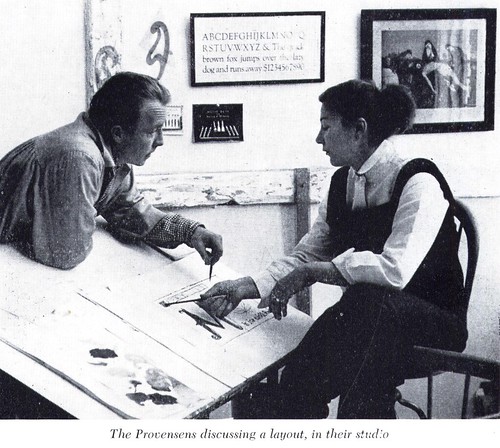
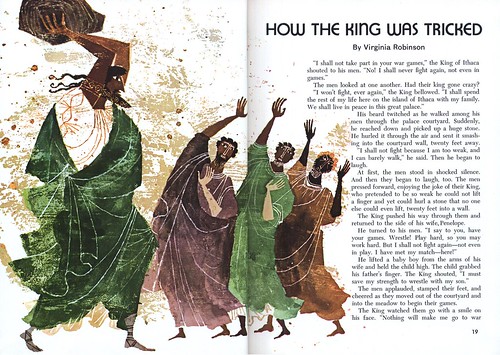
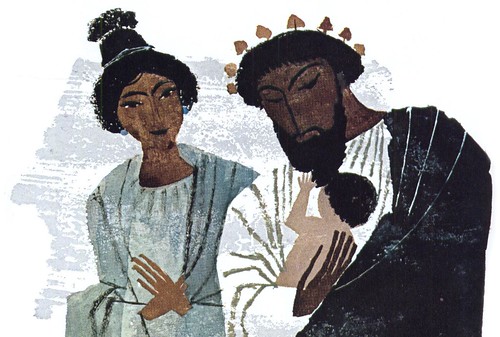
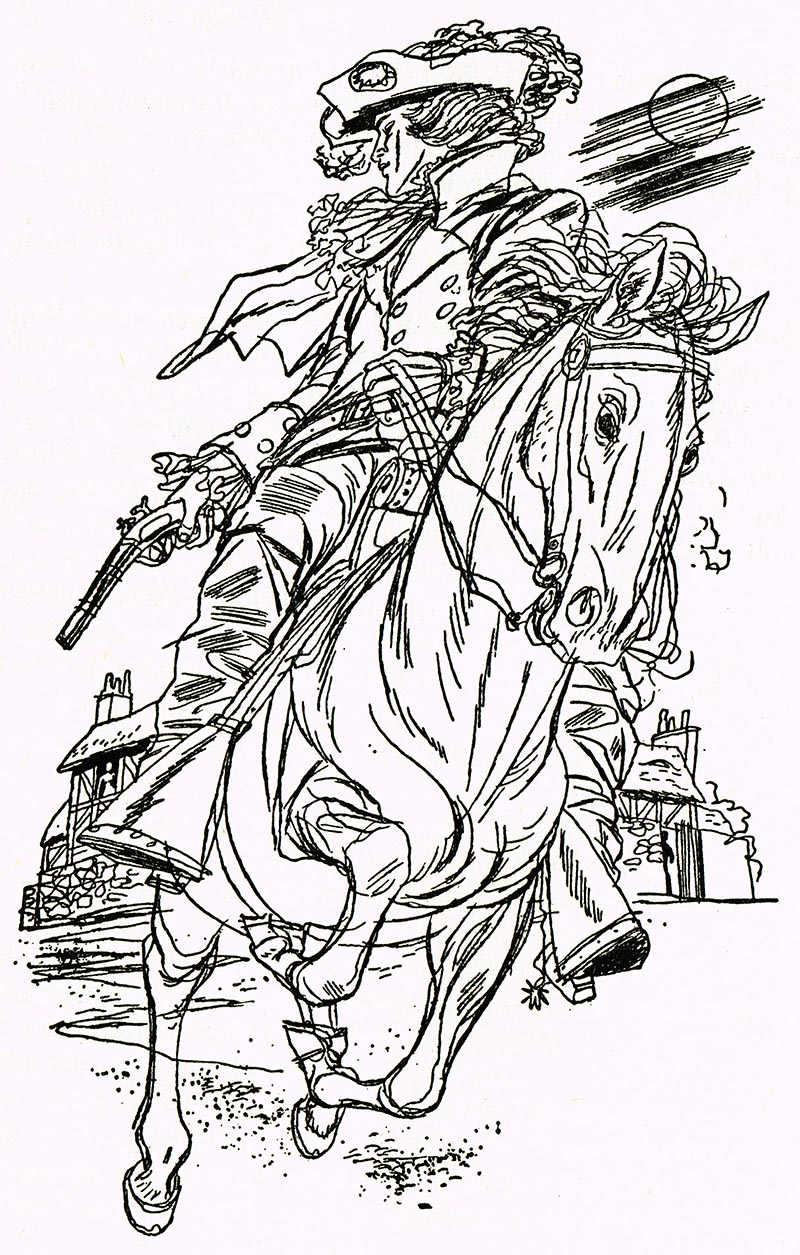
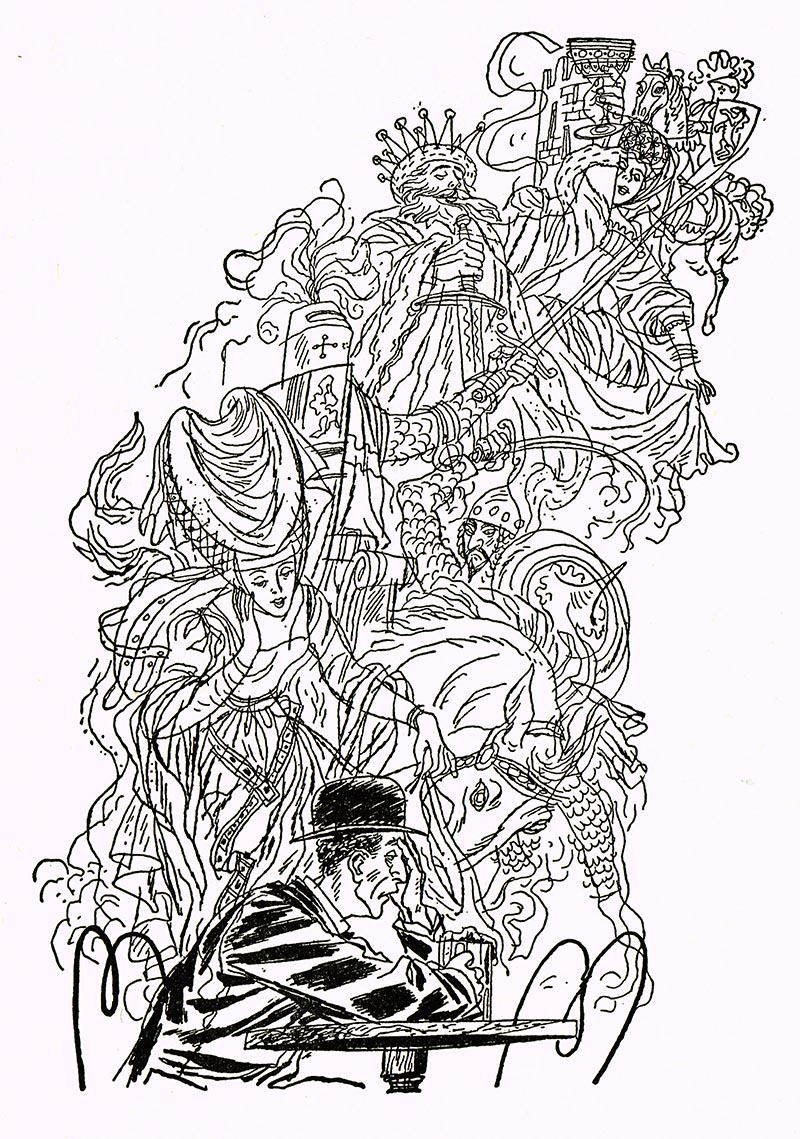
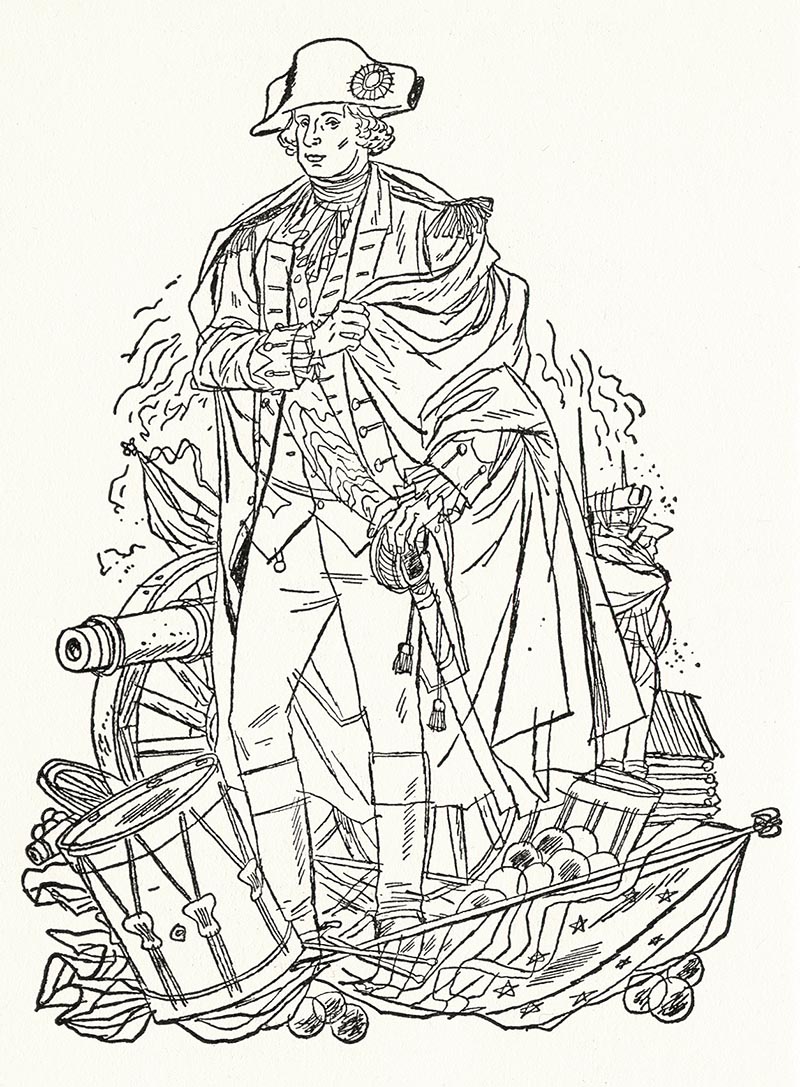
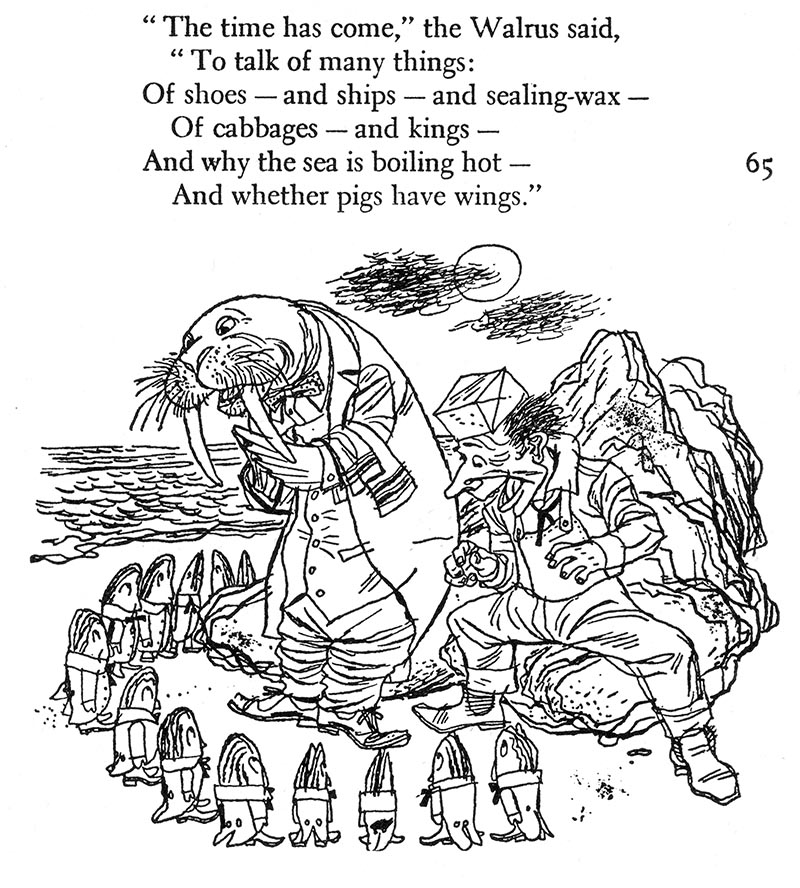
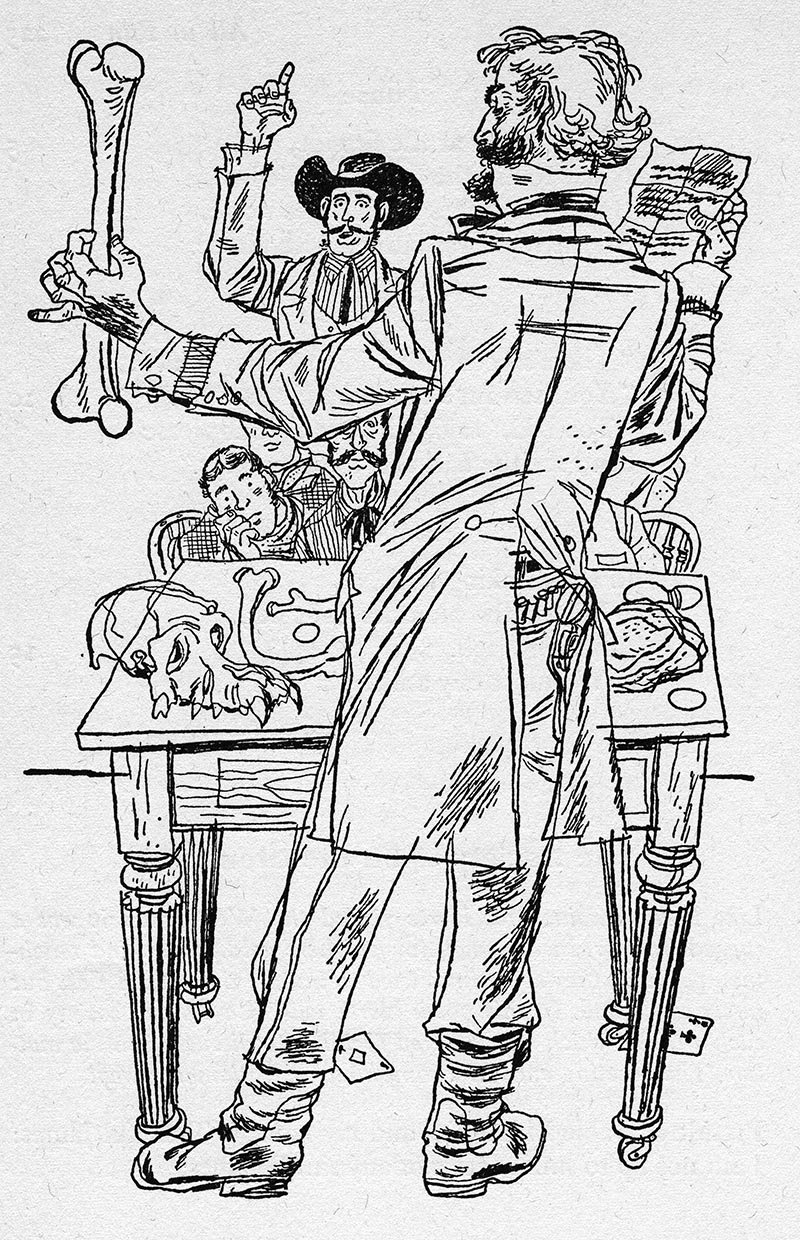
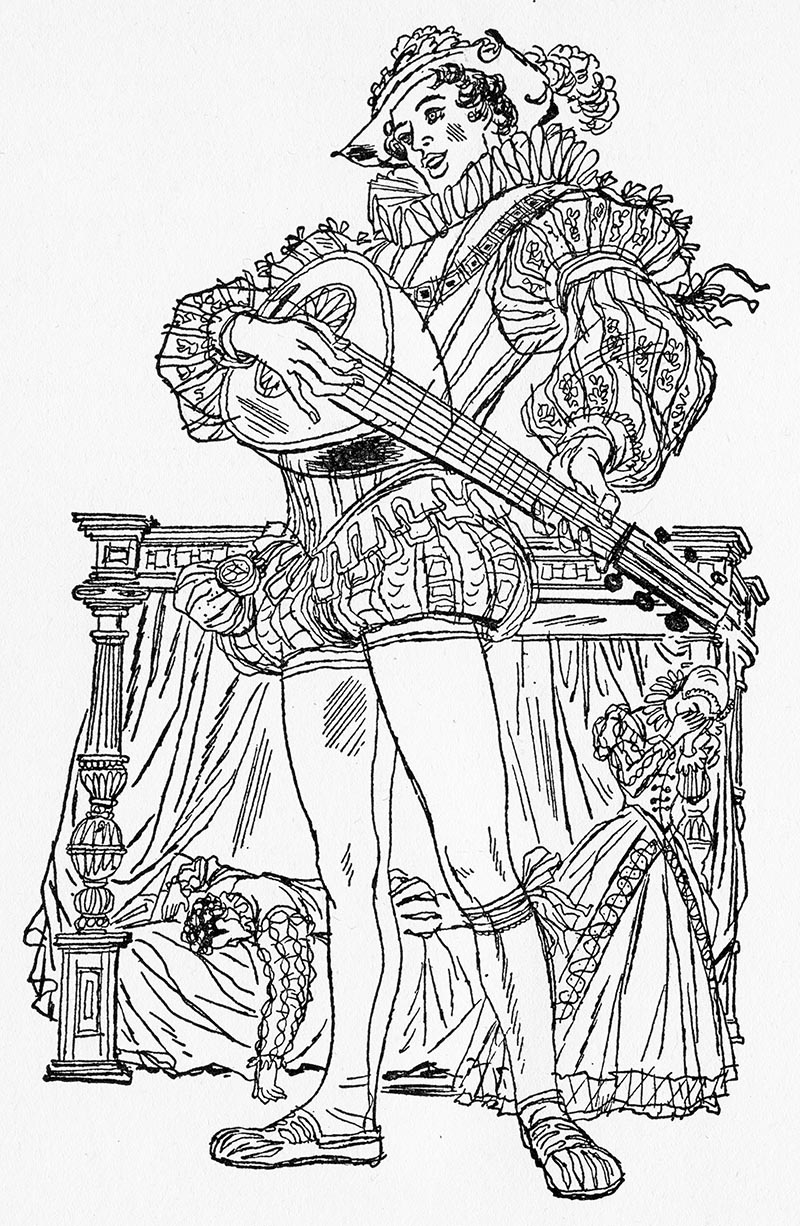
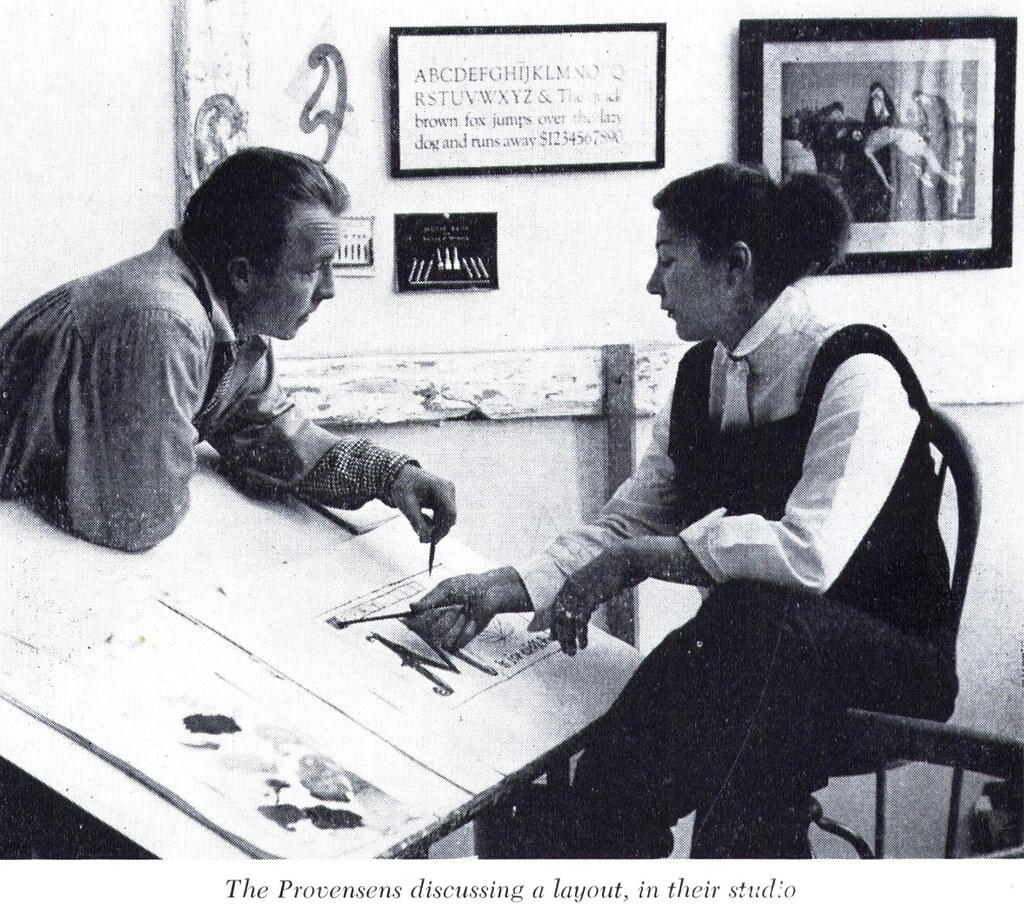
The life of an artist is often filled with solitude. Those who share studio space enjoy an enviable companionship. But what must it be like when your studio-mate is also your life-mate? Alice and Martin Provensen may well be the most famous of such artist couples. "We were a true collaboration", says Alice Provensen, "Martin and I really were one artist."


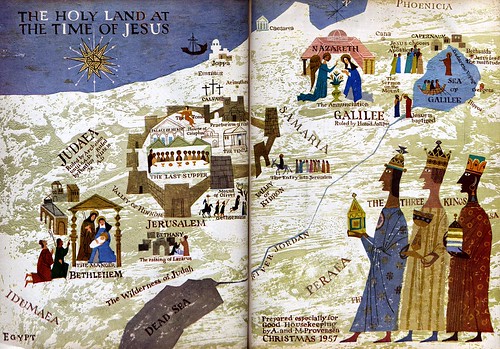
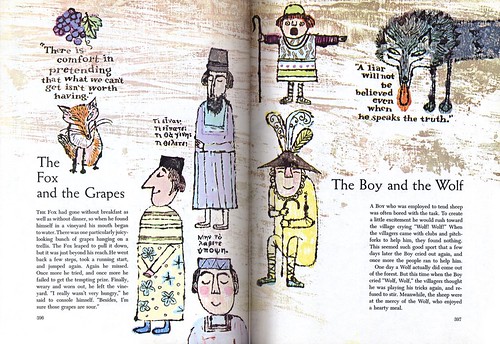
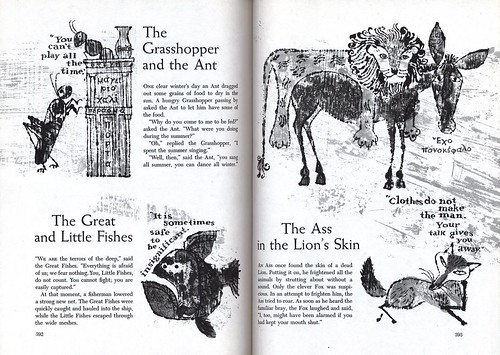
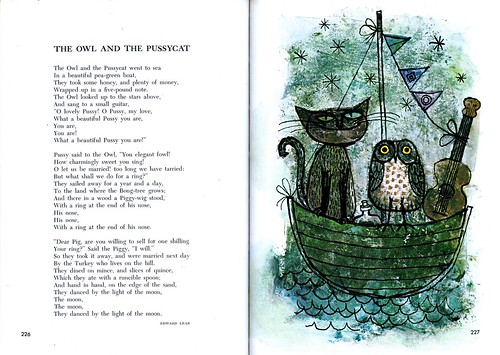
By the time the Provensens produced these pieces for Field Enterprises' Childcraft series they had already been "one artist" for nearly two decades. Alice and Martin had met in 1943. Both had worked at rival animation studios - Martin, in the Disney story department (before the war) and Alice, at Walter (Woody Woodpecker) Lantz. One year later they were married and in 1945, they began their first children's book assignments, thanks to the assistance of their illustrator friend, Gustaf Tenggren.


Over the next 40 years the Provensens would produce over 40 books including a Caldecott Medal winner, The Glorious Flight. You can read about their careers and their life together in much greater detail here. The story of their lives is truly a powerful and moving love story.

Alice and Martin Provensen are among the most inspiring and influential illustrators of the 20th century, especially among animators and illustrators of childrens books and editorial work. Several Today's Inspiration list members have paid loving tribute to these great artists by scanning and uploading images so others may enjoy, learn from and be inspired by the Provensens' work. Steve Mack has a Provensen Flickr set here, Eric Sturdevant has many examples in his Old Children's Books set, and Ward Jenkins points us to a cool interactive site which makes use of the Provensens' Illiad and Odyssey art.

Today's images can be found at full size in my Alice and Martin Provensen Flickr set.

Thursday, December 07, 2006

The Provensen and the Art of Collaboration

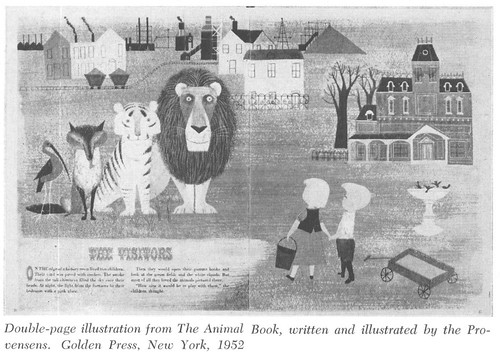
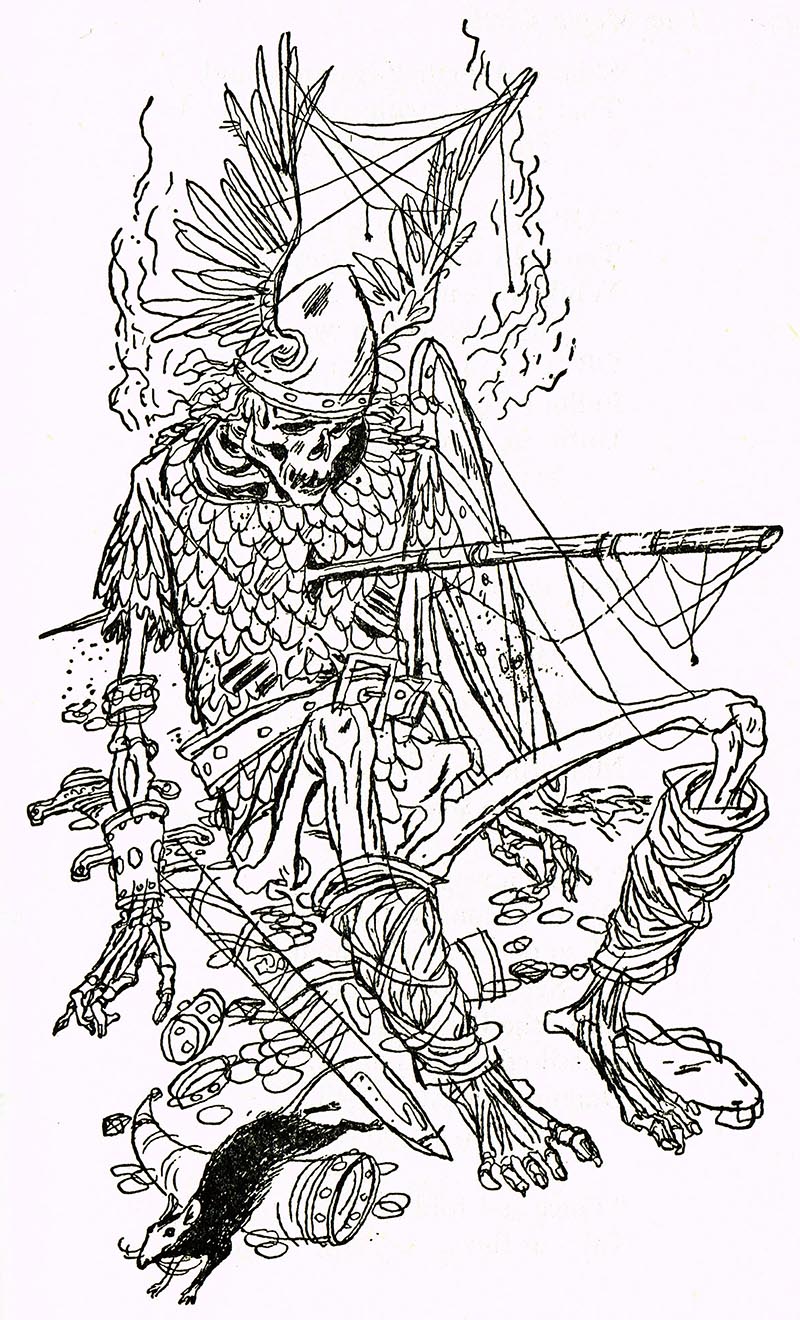
Most people feel that great art can only be created when it is the unique effort of a single individual. But the work of Alice and Martin Provensen proves otherwise.Both artists came from a background in animation - he from Disney and she from Walter (Woody Woodpecker) Lantz - and this seems to have given them an appreciation for the value of artistic collaboration.

"If you weren't satisfied with a drawing and didn't know what to do next,"
Alice said in an interview for Publisher's Weekly, "the other person could help you along. Of course, it had to be the right person, one who understood what you were trying for."

Over time, the Provensens' styles became so seemlessly integrated that it was impossible to tell where the efforts of the one artist ended and the other's began."You see," says Alice in that same interview, "we were a true collaboration. Martin and I really were one artist."


* Today's image can be seen at full size in my Alice & Martin Provensen Flickr set.

Tuesday, September 05, 2006

A & M Provensen


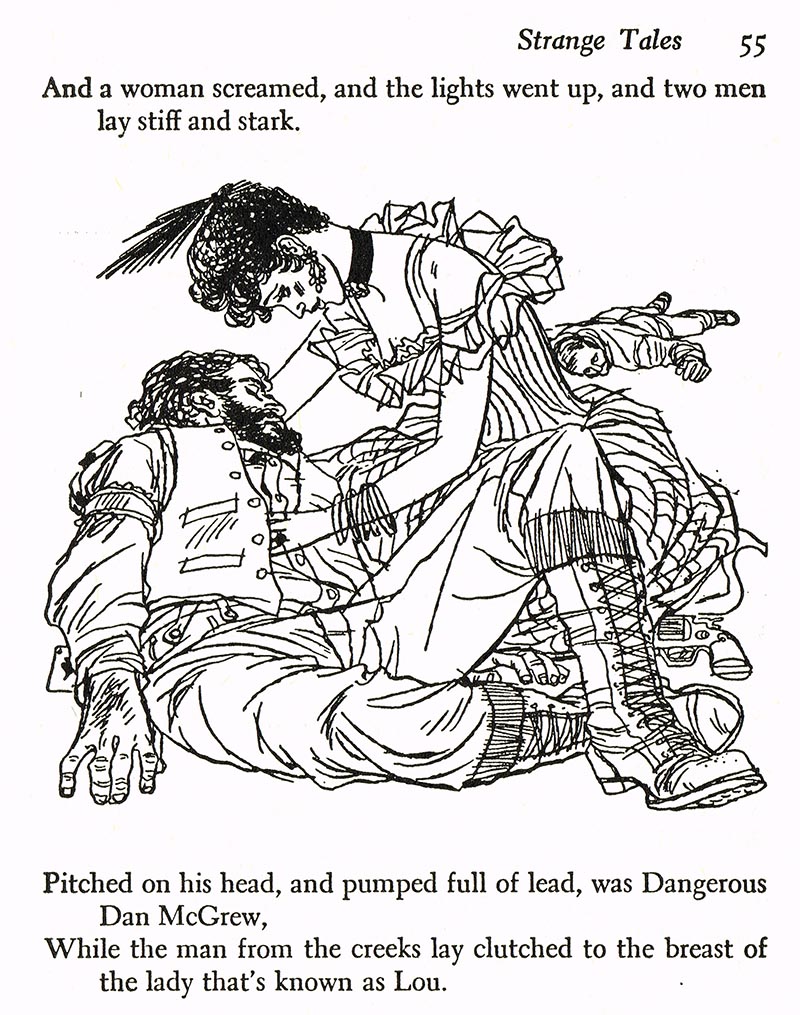
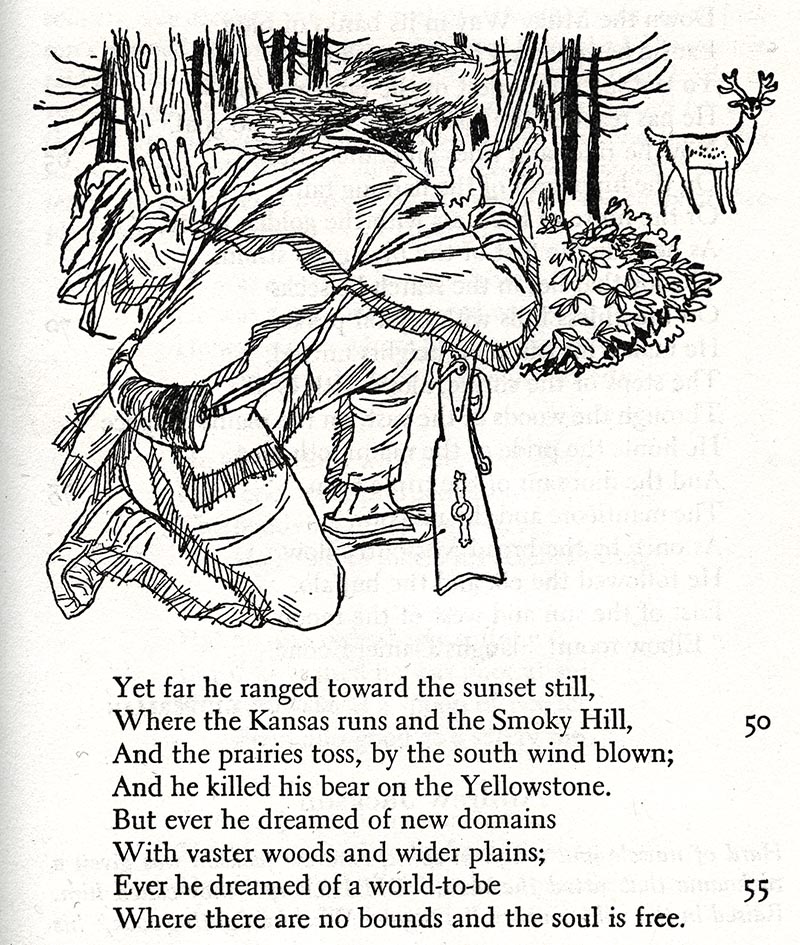
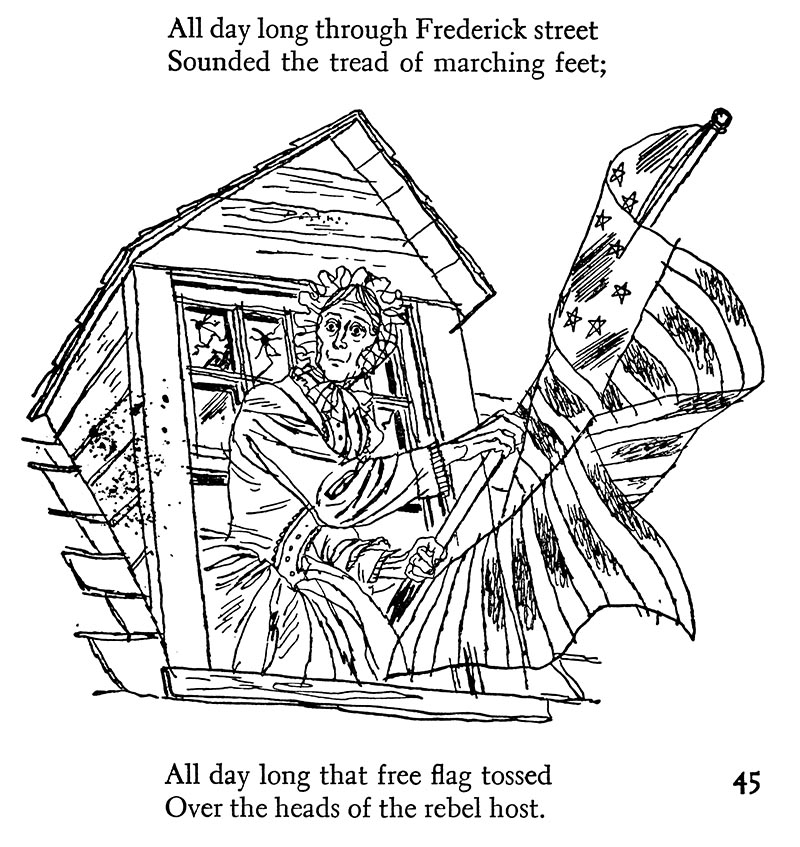
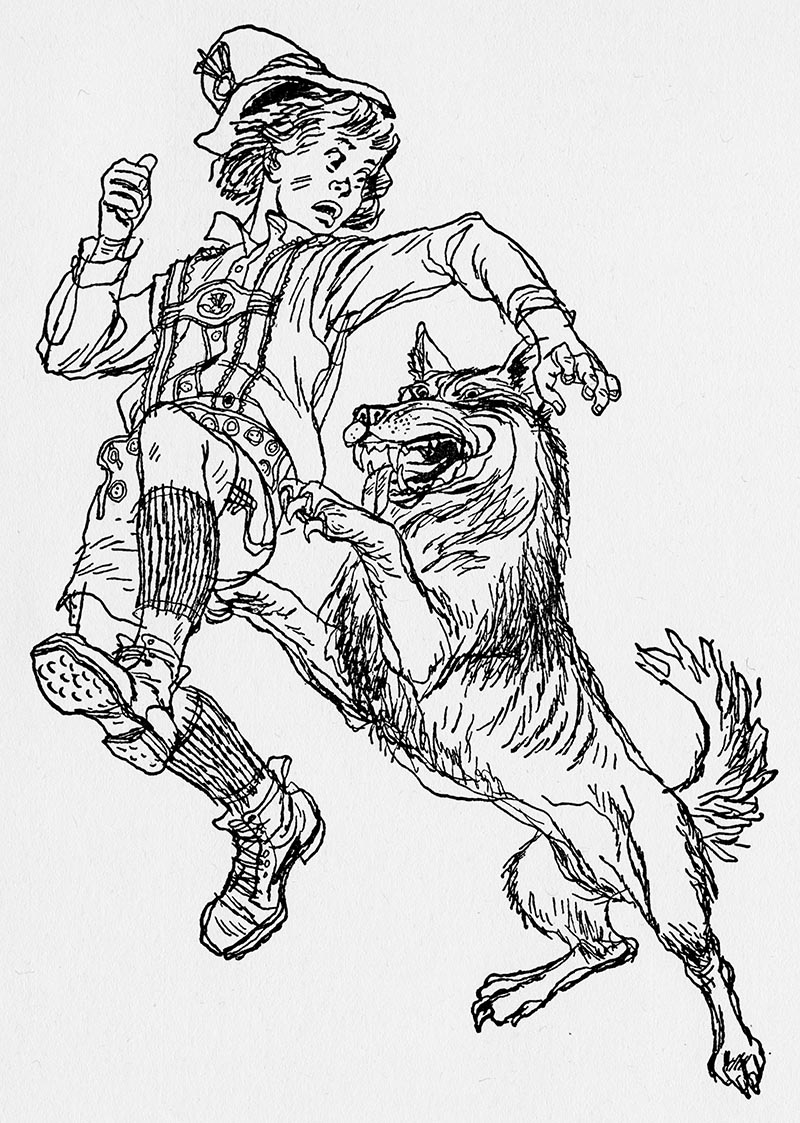
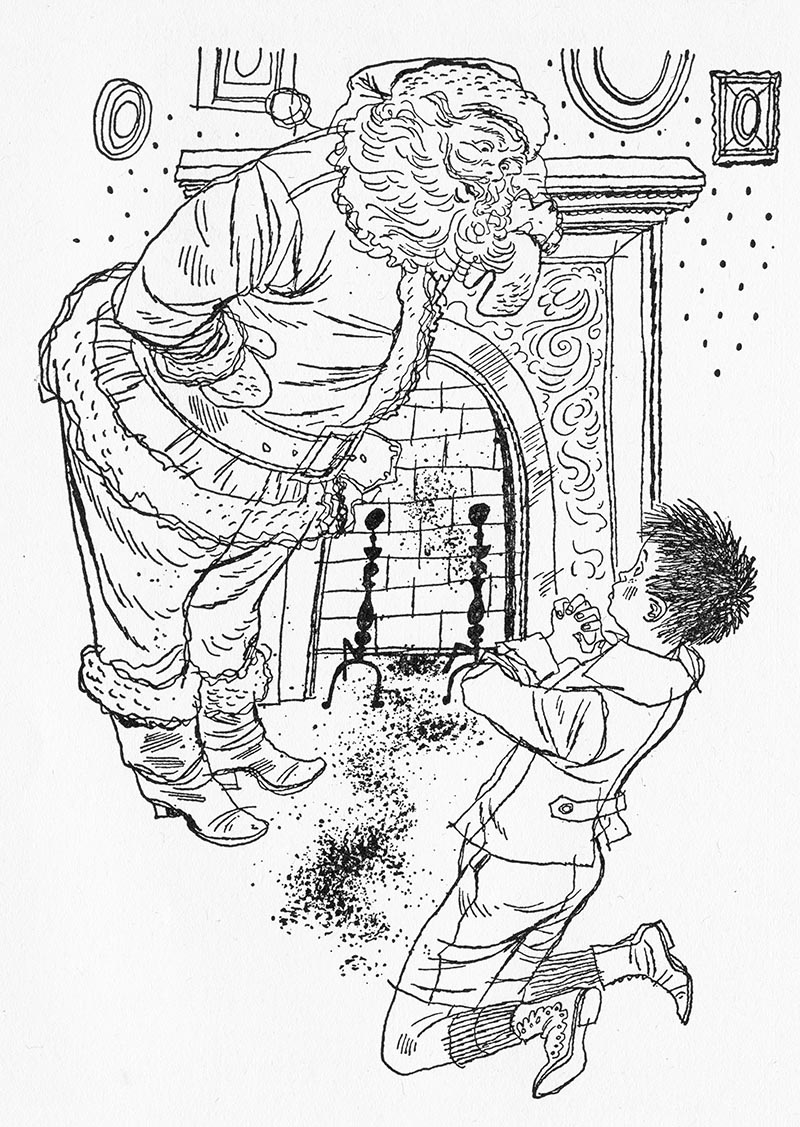
There may be no illustrator couple more unique than Alice & Martin Provensen. From their early days as Disney and Walter Lantz studio animators, the Provensens went on to craft 51 books in a great variety of styles, many of them inspiringly experimental.
From a February 2006 article in The Boston Globe:
After they moved to a farm not far from Poughkeepsie, N.Y., in 1951, they experimented stylistically while working at back-to-back drawing boards. (It was around here that they also dabbled in advertising, helping create Tony the Tiger for Kellogg's.) For 1962's ''Shakespeare: Ten Great Plays," they made beautiful mottled ink drawings by sketching atop wet paper. Another time, Alice said, ''We'd paint the whole background and run it under the faucet, and whatever stayed on was the background."

* These images plus several more can be found at full size in my A & M Provensen Flickr set.

Monday, July 14, 2008

The Provensens: "Something strange and provocative"

No discussion about the innovations and influences of the 1950's storybook styles would be complete without mentioning Alice and Martin Provensen.


In fact, all the quotes from Henry C. Pitz's 1959 article in American Artist that I referenced over the past week were actually from his article showcasing the talented couple.

"A new flavor has been imparted to our illustration," wrote Pitz in 1959, "something strange and provocative, something that stirs old racial memories and at the same time hints at new exciting forms."


Pitz marveled at the development of the Provensens' style. "Their combined talents are fresh and new, and although their first book is only twelve years old, their contributions have been of delightful importance."

How true. The Provensens initially produced pleasing storybook art that reflected their background in animation.


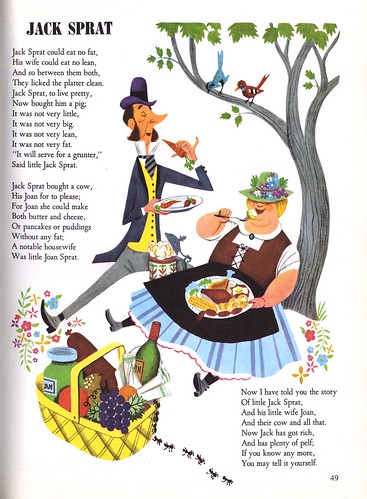
These early examples from 1948 hardly hint at what was to come in just a few short years.


By the early 50's the Provensens' work was beginning to display what Henry C. Pitz called "a fertile stock of invention, and a nagging sense of dissatisfaction [that] has spurred them to observe, study and experiment."


I've posited this past week that the storybook artists influenced popular culture with their stylizations. I could hardly give you a more concrete example of that influence than the Provensens' 1953 design of 'Tony the Tiger' and other cereal box mascots for Kelloggs. The incorporation of the storybook style into mass-marketed packaging and subsequent spin-offs (animated tv ads, print ad campaigns) fused the storybook style to a wide range of visual media and encouraged a broad range of commecial artists to adopt it.

The Provensens, meanwhile, were moving on. "Although they have done advertising and magazine illustration," writes Pitz, "they prefer the less frantic pace and less ephemeral climate of the book field."


Again, Henry Pitz' remarks perfectly describe the next stage in the Provensens' growth.

"If one must pin an obvious label on their work it would be 'modern', and yet the critic, aware of the long perspective of the world's art would say in the same breath, 'how traditional' ".


"Their vocabulary of decorative forms and motifs is an extended one, enlarged by scrutiny of many of the world's cultures and made supple by constant practice."


The Provensens were enthusiastically experimental with media as well as style. "They do not have a routine, stage-by-stage method," wrote Pitz. "They begin painting as soon as a design-image has quickened their minds; the first attack may be the successful one, or the fourth or the fifth."


Reinforcing my belief that the next generation of illustrators would be affected by their exposure to the storybook style is this passage:

"Certainly the Provensens' work has grown in power and subtlety. Earlier influences now seem to be entirely absorbed, and their note is independent and confident. In fact, they are having their influence on others now, for they are among the most imitated illustrators in art school circles."

As his article (and this series of posts) draws to a close, Henry C. Pitz confirms what I already knew growing up in a world full of books, cartoons, and packaging imagery that can trace its roots back to the 1950's storybook styles:

"The commercial success of [the Provenses'] books is a heartening sign, for it proves the existence of a sizable audience receptive to excellent picture-making."


"Their success is more than a personal one. It indicates that the more than three decades in upsurge in the American illustrated book has lost none of its vitality, and is reaching a new level of excellence and touching new audiences."

* My Alice and Martin Provensen Flickr set.

Monday, February 06, 2012

Female Illustrators You Should Know

Sheilah Beckett

She was one of the elite team of illustrators at the most prestigious art studio in America, The Charles E. Cooper studio.

Beckett38

This wonderful artist and remarkable woman is still going strong at 99 years of age!

Beckett17


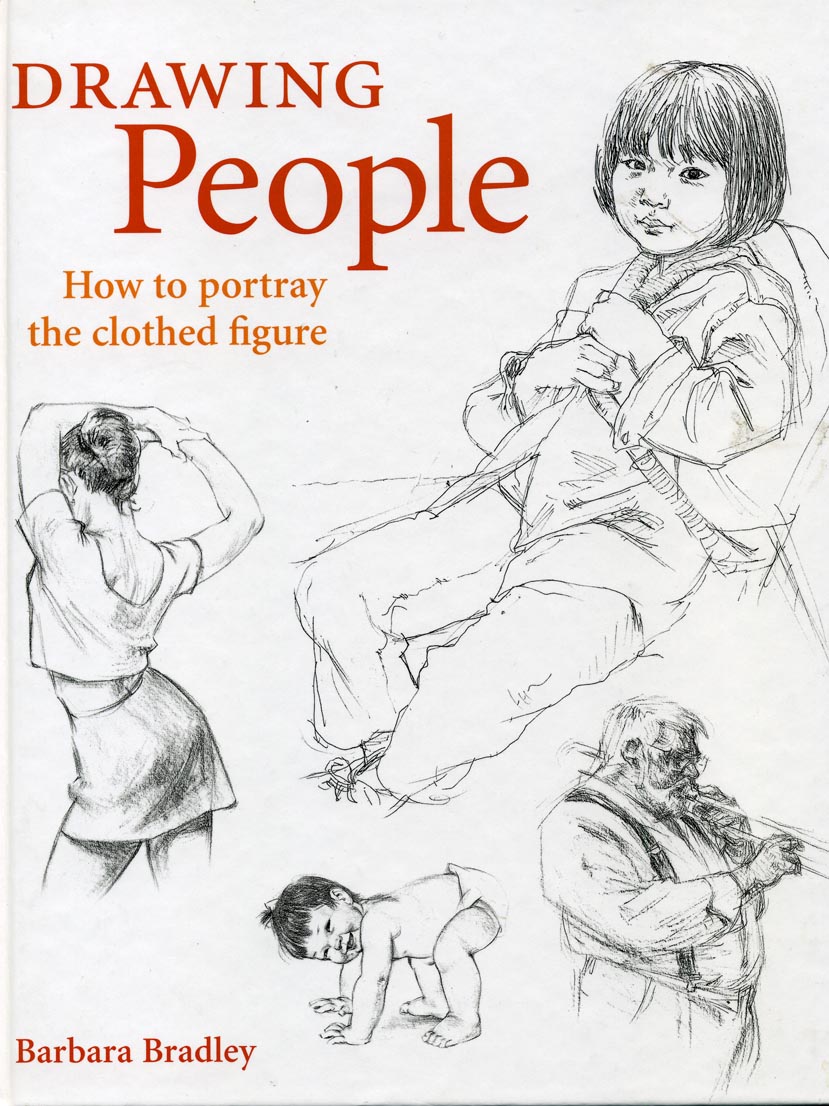
Barbara Bradley

Barbara came to New York with the single-minded goal of getting a job at the best studio in America... and she succeeded.

Bradley23.jpg

Years later she became the tough but much loved teacher and ultimately, Director of Illustration at The Academy of Art University in San Francisco.

Bradley51.jpg


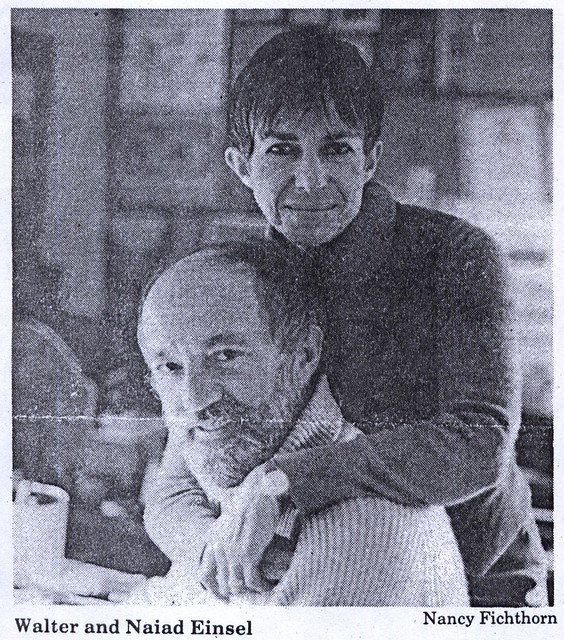
Naiad Einsel (With husband, Walter)

She worked for CBS. He worked for NBC. They fell in love and created a perfect union - two people whose styles were so similar that when they collaborated it became hard to tell who had done what.

Naiad&Walter02.jpg

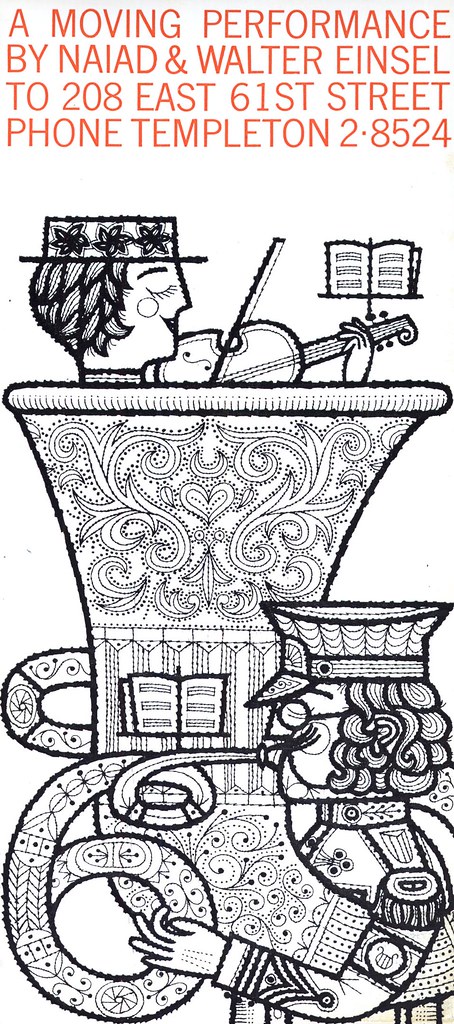
Together they produced an endless stream of delightful images for every major publication and many national advertisers, as well as record albums and books.

Einsel04.jpg


Lucia Larner

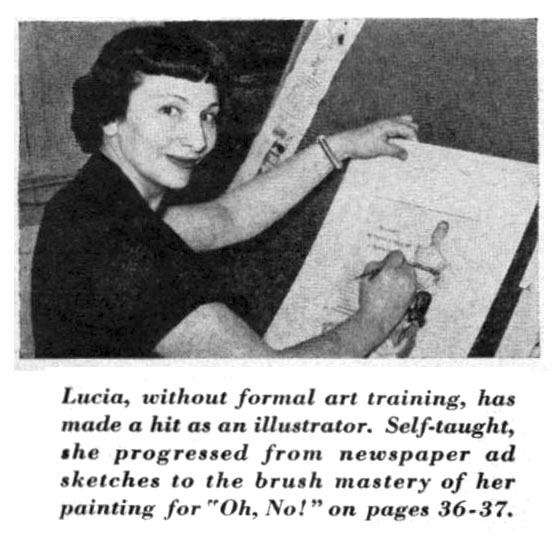
Described by those who worked with and admired her as "the Queen" of powerhouse Chicago ad art studio, Stephens, Biondi, DiCicco.

Lucia51

A single mother in an era when such a thing was far from normal, Lucia, who had the only private office/studio of all the artists on staff at SBD, commanded top dollar for her work on some of the biggest national accounts in America.

Lucia50


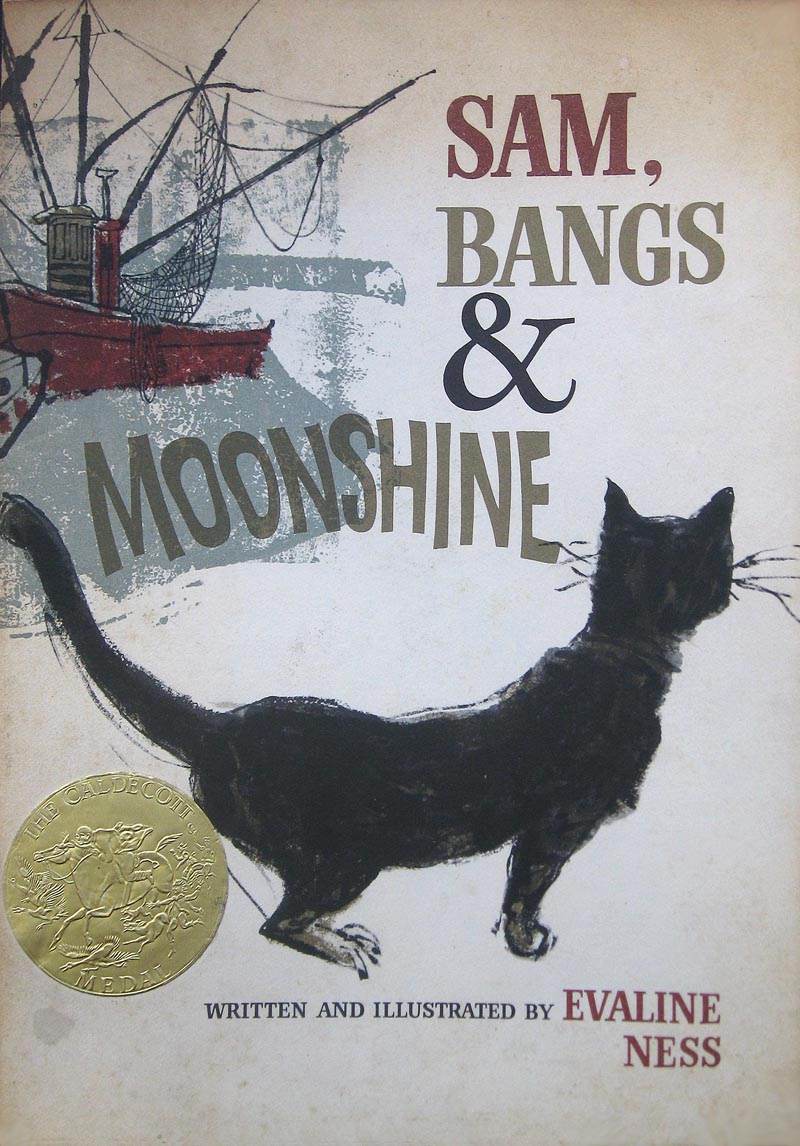
Evaline Ness

Ex-wife of the famous FBI investigator Elliot Ness, "Eness" as she signed her work, had begun her career as a fashion model, then became a fashion illustrator.

Ness04

Over time she branched out into advertising, editorial and children's book illustration.

Ness11


Alice Provensen

A&M Provensen15

With husband Martin, she created one of America's most memorable and beloved advertising icons, Tony the Tiger...

A&M Provensen08.jpg

... and dramatically influenced the look of children's book illustration for the next generation of artists and readers.

A&M Provensen01.jpg

Today, there are just as many women illustrators as men (perhaps even more). But it wasn't always so. These remarkable ladies were very much in the minority during the heyday of their careers. They are female illustrators you should know. This Wednesday evening I'll be at The Nook talking about these and other Female Illustrators of the Mid-20th Century.

Wednesday, October 02, 2013

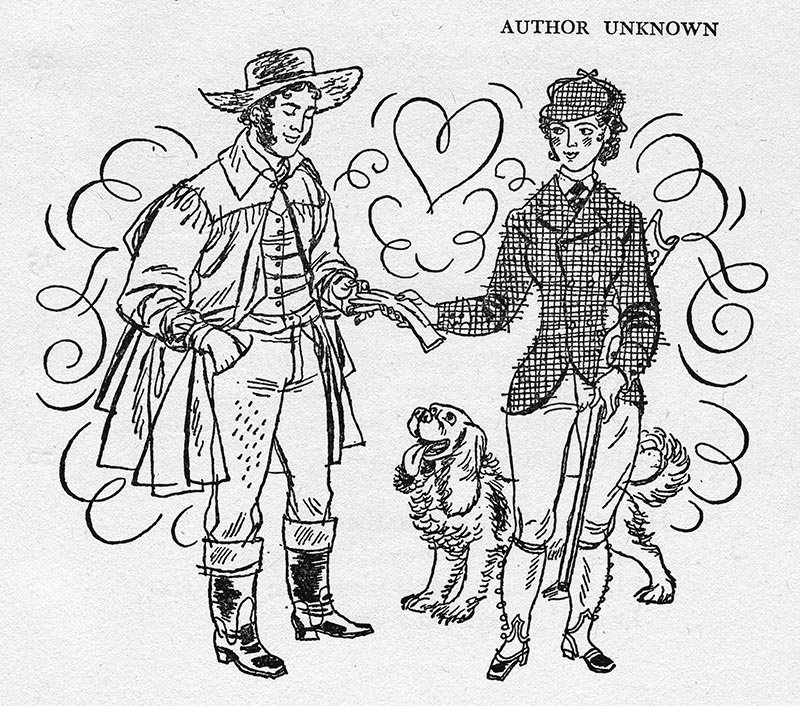
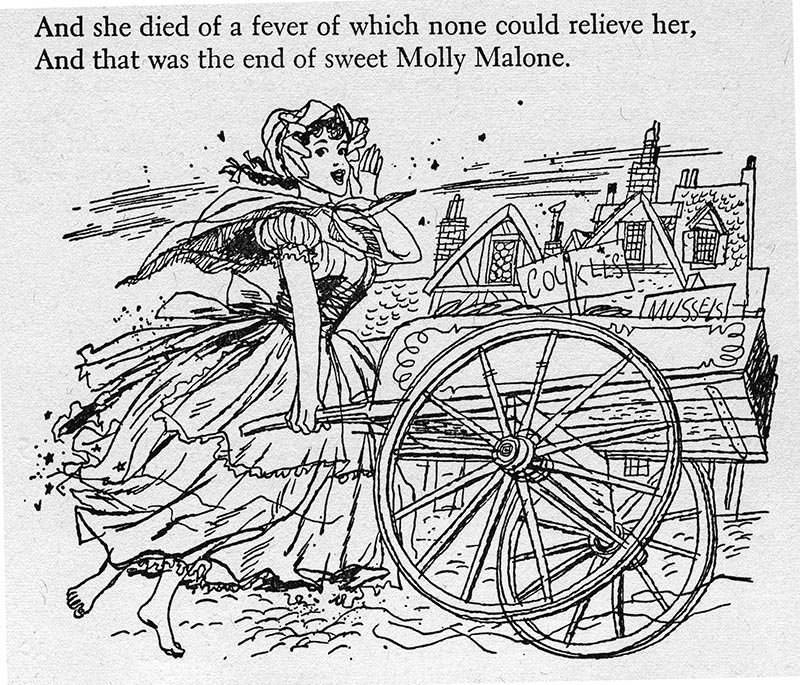
Beth and Joe Krush: "... a most happy and unusual combination of two very gifted persons..."


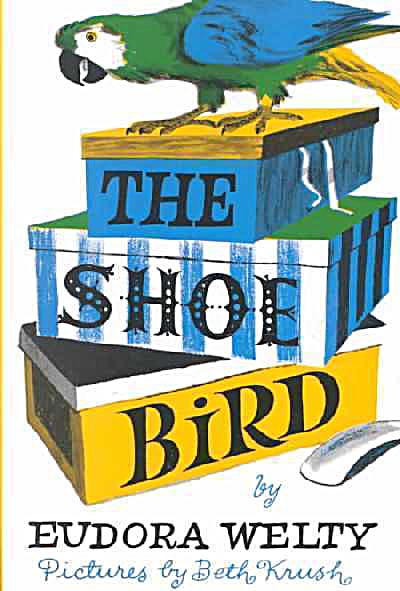
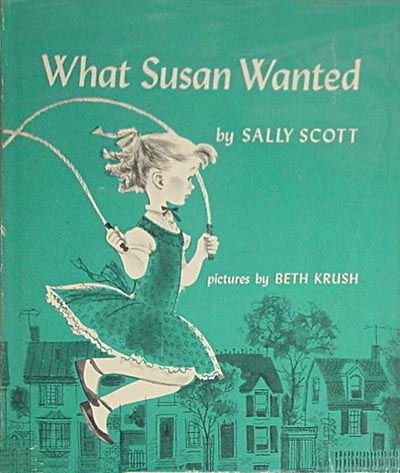
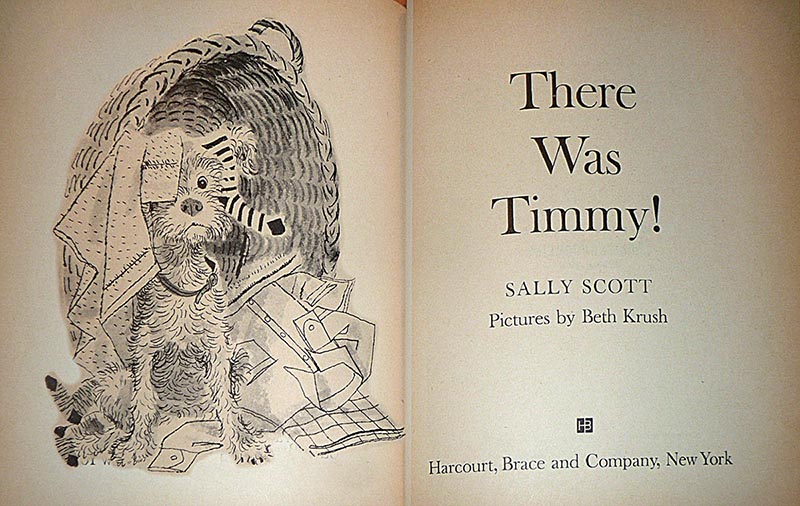
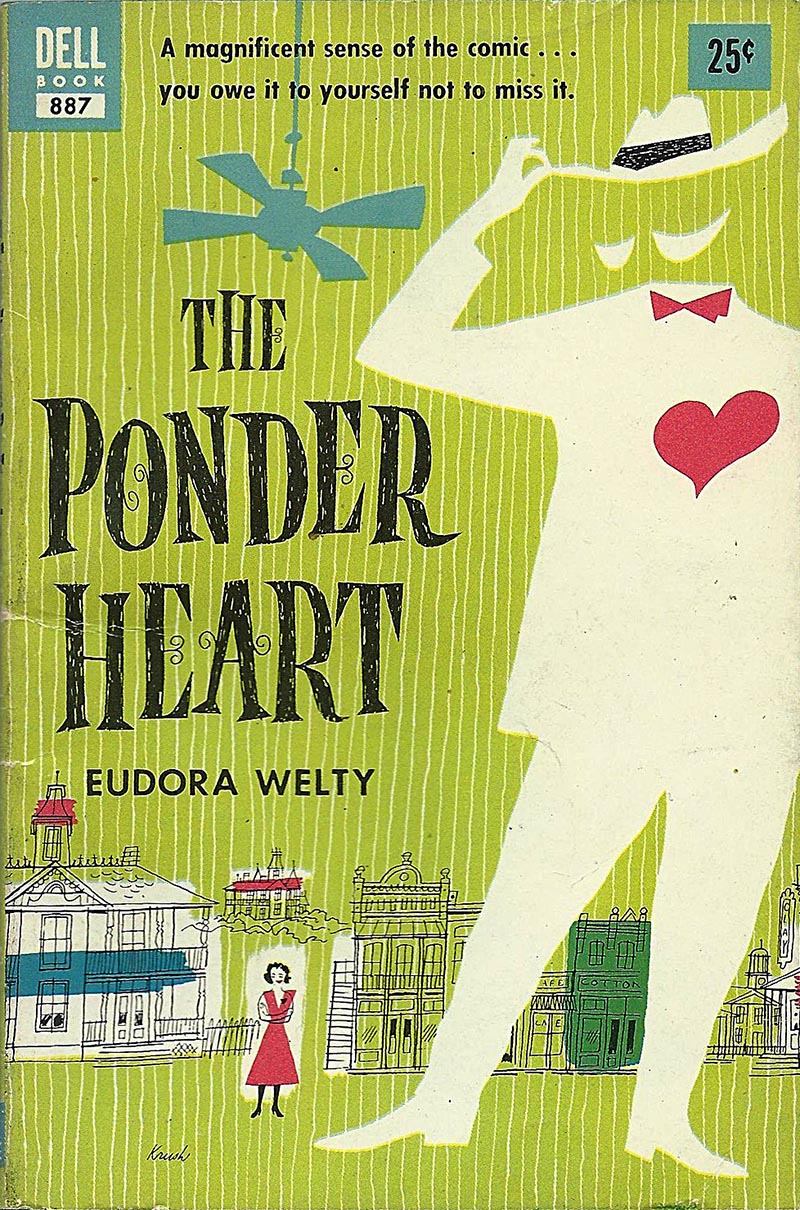
Just as her husband Joe often worked on his own projects, so did Beth Crush.

Krush38

When Henry Pitz wrote about the Krushs in the March 1952 issue of American Artist magazine, he described the young couple as "a most happy and unusual combination of two very gifted persons who have a great many common interests and a common goal: to produce fine illustration. But they have separate and unmistakable personalities. Each has certain individual inclinations which are respected by the other. Beth loves and knows animals, small children, and green growing things."

Krush35

Krush36

"Joe is knowledgeable about older boys, sports, costume and mechanical things."

Krush39

Krush09

Krush05

"Both draw unusually well. Each has an exceptional sense of design. Beth's pictures have a charming and loveable quality that reaches the hearts of her child audiences."

Krush02

"Joe's pictures have swing and vigor, fitted to teenagers and adults. Both think primarily in line."

Krush04.detail01

And so it might have gone for Beth and Joe Krush; two talents joined in matrimony and working alongside each other - but separately - for the length of their two careers. In fact, that had been their original intention. But because of the happy accident of one or the other needing help with an overwhelming deadline, the Krushs began working together. There was something magical in that collaboration...

Krush28

... and their editors liked it very much.

Krush30

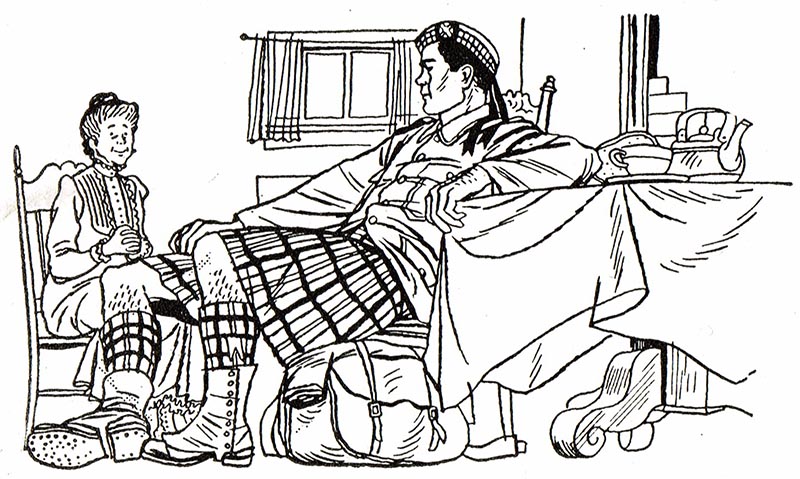
Like Alice and Martin Provensen, another famous illustrator couple that collaborated on many children's books throughout their careers, Beth and Joe Krush developed a system of sharing the work to play off each other's strengths.

Krush30.detail01

Beth explained: usually they would pick the incidents and talk over the staging together.

Krush31a
Krush31b

Then, Joe would do the first composition and perspective sketch; and Beth would rework that, adding her two cents and looking up costumes, furniture, plants, animals, and people.

Krush40a
Krush40b

Most often Joe did the final rendering in his own decorative line. (The Krushs' workflow description adapted from the Joe and Beth Krush Papers)

Krush34

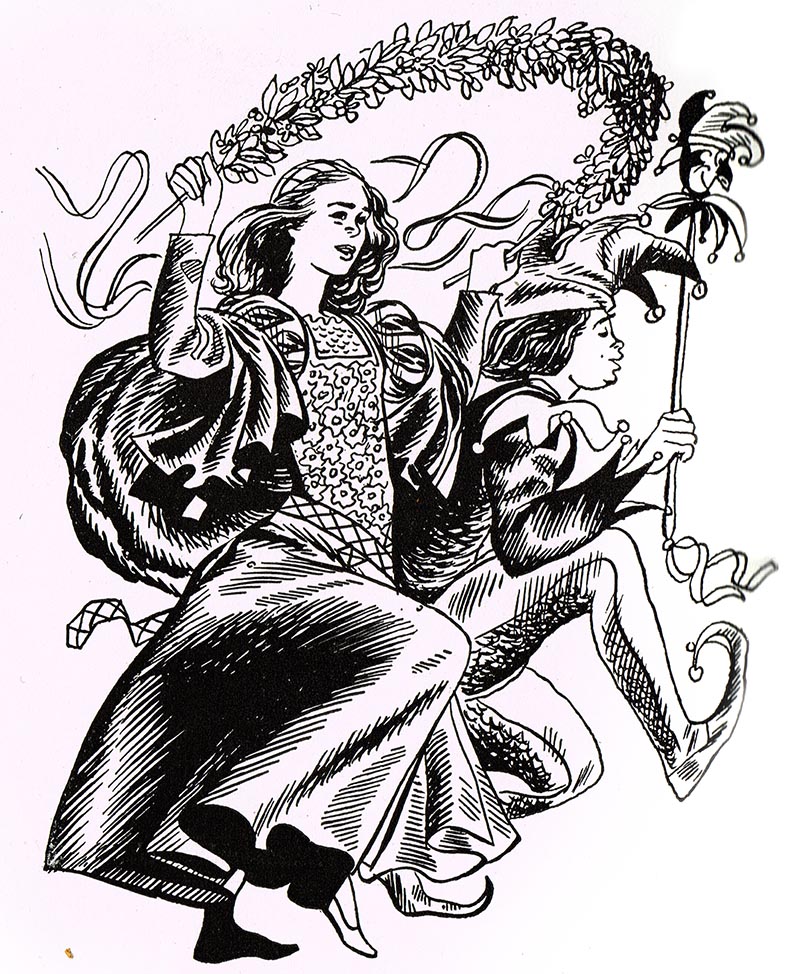
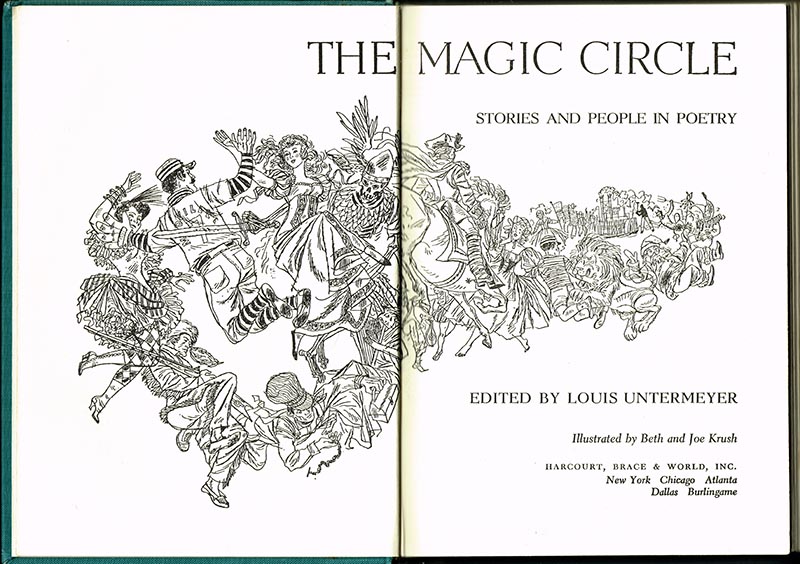
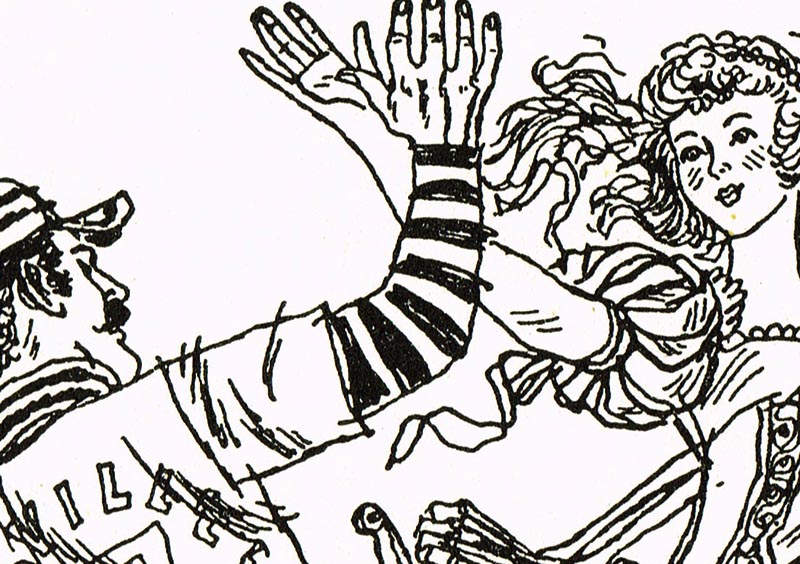
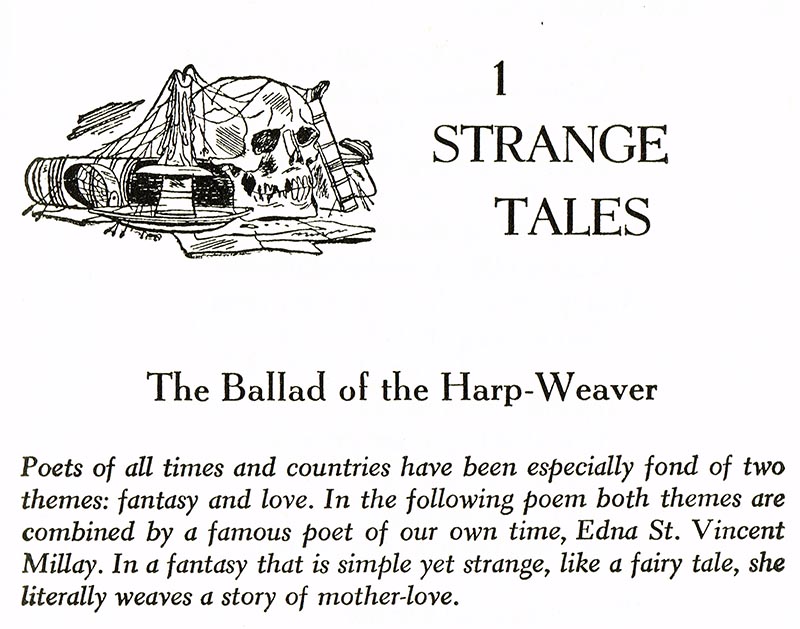
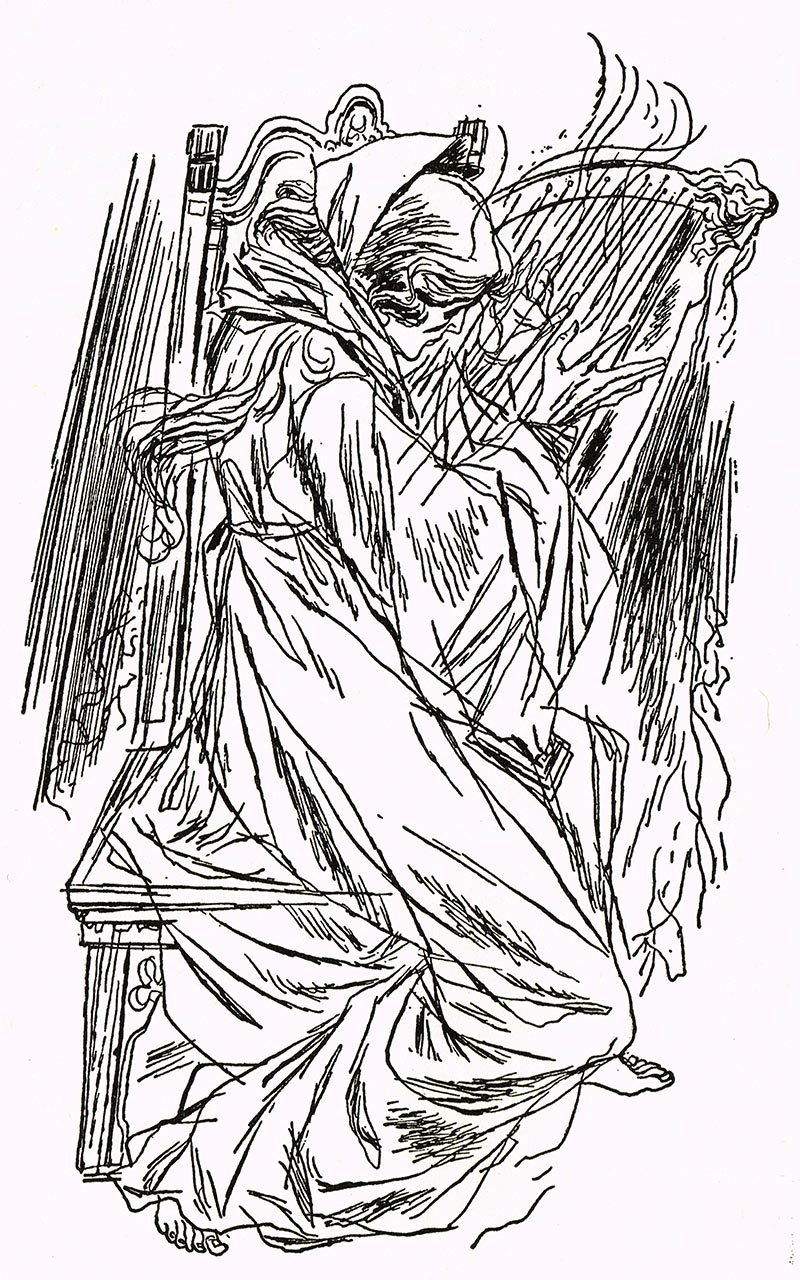
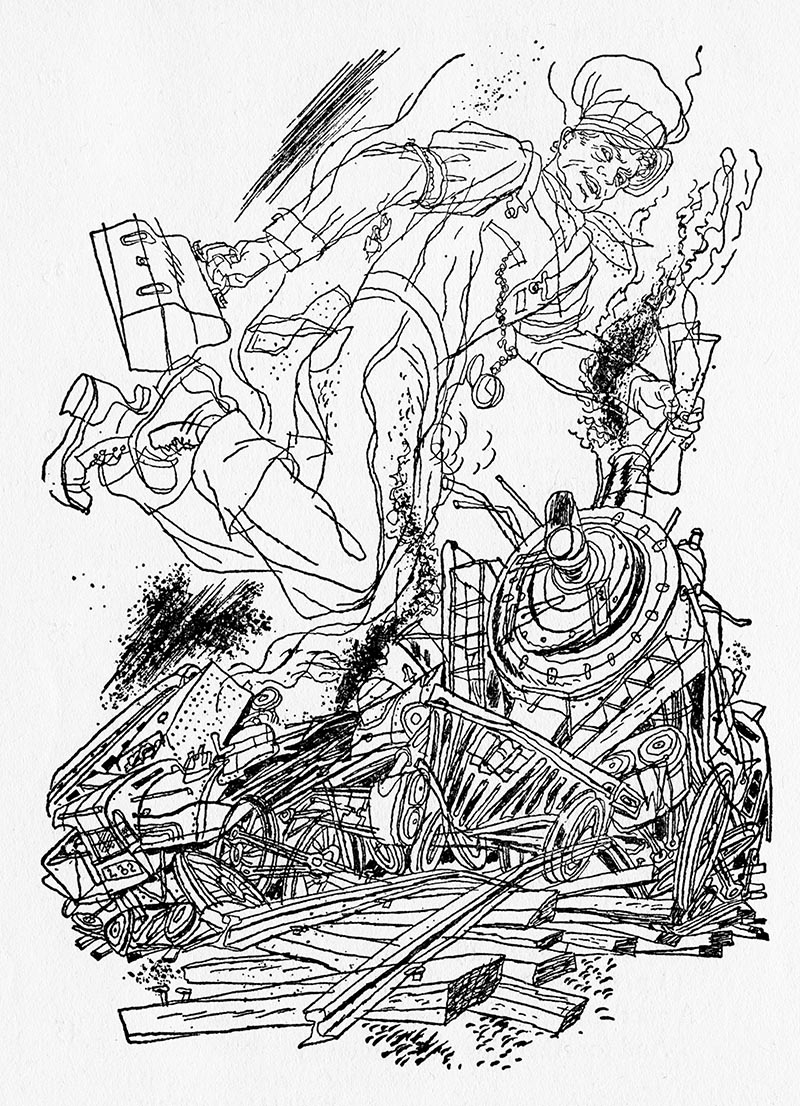
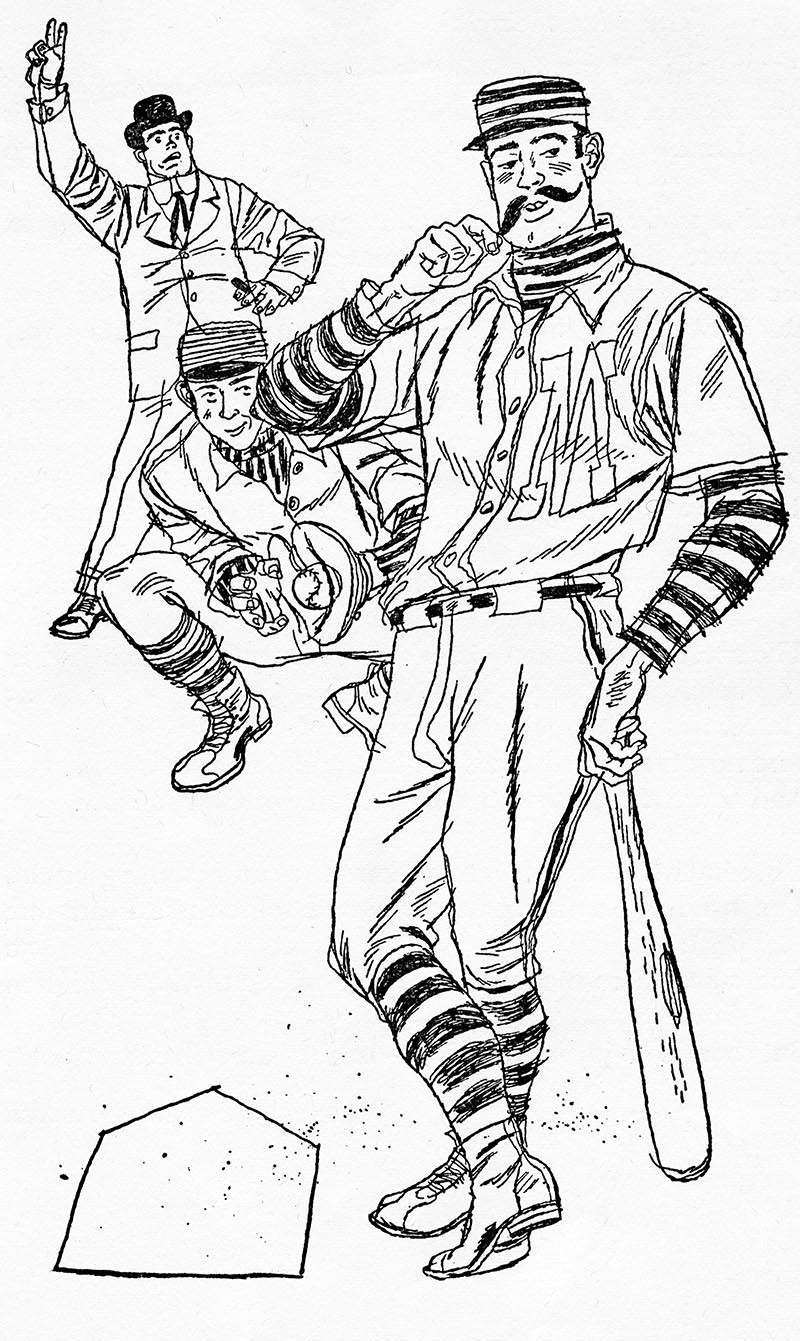
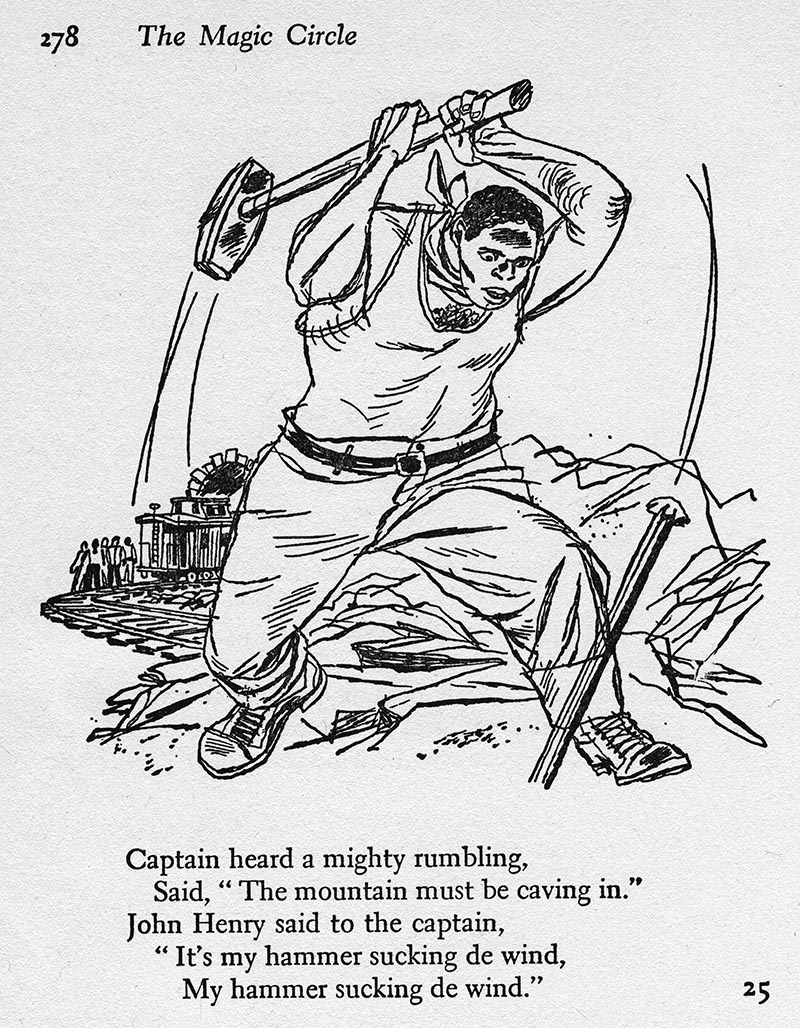
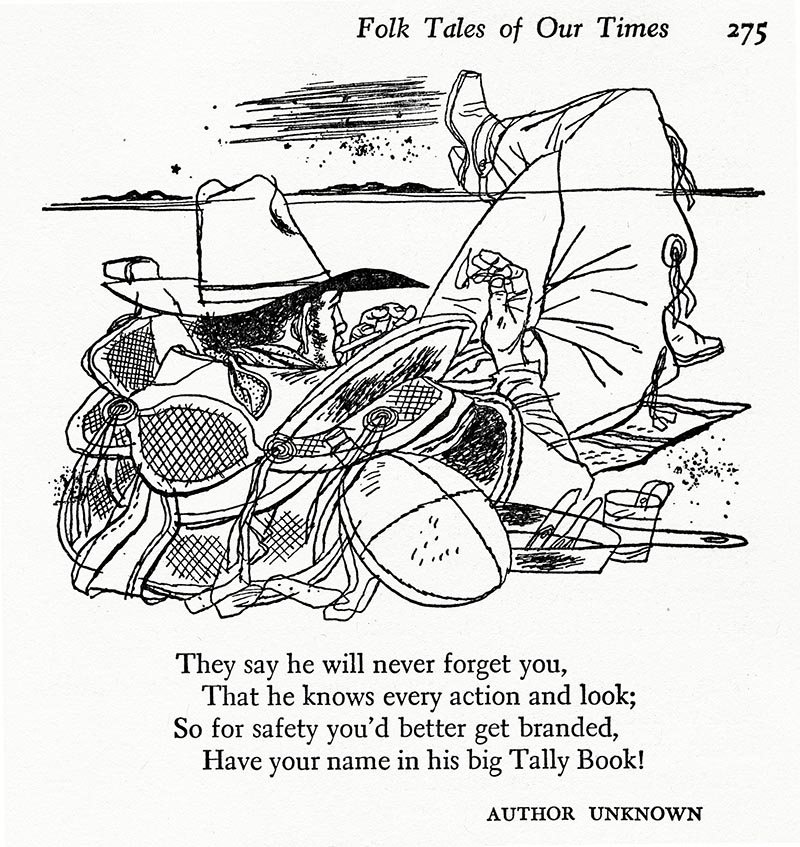
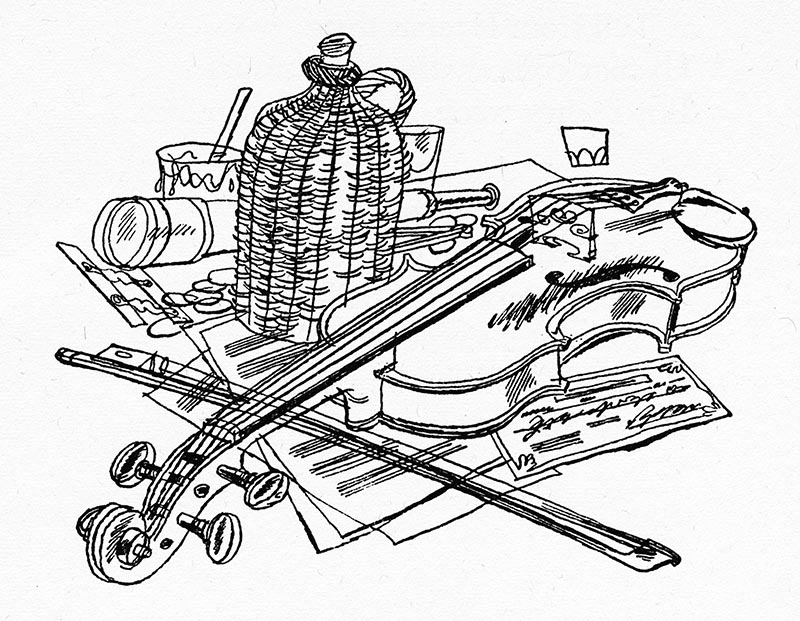
If ever there was a book that demonstrates the effectiveness of Beth and Joe Krush's skillful line art collaborations, it's this one - The Magic Circle - published in 1952, the same year coincidentally as Henry C. Pitz's article on the couple in American Artist. Let's enjoy some more illustrations from this volume...

Krush33

Krush32

Krush41

Krush42

Krush43a
Krush43b

Krush45a
Krush45b

Krush46

Krush47

Krush48a
Krush48b

Krush49a
Krush49b

Krush50

Krush51

Krush52

Krush53a
Krush53b

Krush55

Krush54

Krush56

Krush57a
Krush57b

Krush60

Krush59

Krush58

Krush61

Pitz emphasized that Beth and Joe always exchanged encouraging words and critiqued each other's work and Beth qualified that both artists were proud of their own work and while they enjoyed their collaborations, they also enjoyed doing projects entirely on their own.