Monday, November 16, 2009

Anthony Saris and the Beautiful Contradiction

When I was in art college, some 20-odd years ago, my Conceptual Art instructor, Frank Neufeld loved to say to us, "Everything I tell you is the truth... and everything I tell you is a lie." At the time I didn't really understand what he meant and it frustrated the hell out of me, especially because he always said it with a mischievous smirk and a glint in his eye. But as time goes by and I learn more and more I think perhaps I have come to grasp at least a part of that cryptic remark Frank was so fond of.

Which brings us to Anthony Saris.


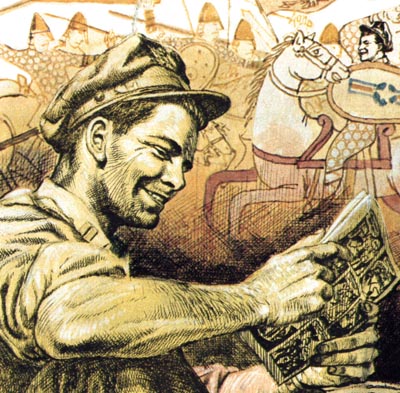
Last week we looked at Fletcher Martin and learned that he had some deeply held beliefs about how one should make pictures. Martin hardly fit the mold of "illustrator", but during his career he did a lot of commercial art for both editorial and advertising clients. Similarly Anthony Saris (who was a younger man but worked during the same mid-century period) drew mostly for commercial clients, but abhorred the term "commercial artist". Saris believed there was no distinction between what he called "applied art" and gallery painting. Like Martin, he believed the artist should have unrestricted creative freedom to devise as original and imaginative a solution to his assignment as possible.

Fletcher Martin didn't really plan his pictures in advance - he let them evolve on the canvas. "When I approach the painting," Martin explained, "I never begin with a fixed idea of how the painting will look. I find the painting while doing it."

Similarly, Anthony Saris would begin a picture without what he described as "the common practice of making small pencil layouts to try out the composition. With a fresh paper before me," he said, "I begin drawing, in ink, that which I have decided is to be the principle feature of the design."

Saris would then add surrounding elements until he was satisfied with the results. He would often discard a picture part way through if it began to show signs of an unsatisfactory conclusion. "In my mental background," said Saris, "I retain an image of the shape I must fill, and the illustration gradually approximates it, though the size of the drawing develops as it will, depending on whether I decide the design is complete. The finished drawing may turn out to be from two to four times the size of the reproduction-to-be."


Isn't it remarkable that two artist with such similar philosophies would produce such dramatically different results. That's because in one area these two had opposing points of view: Martin saw no merit in using photo reference for his work. "If you can draw it on the spot you can draw it later," was how he put it. "The tyranny of the model, " said Fletcher Martin, "is a terrible thing."

Anthony Saris, meanwhile, was adamant about the value of his photo reference: "I do not believe in drawing figures from memory," he said, "for thus I would miss those many subtleties and unique arrangements that often present themselves in actuality but which can never be imagined."

This, my friends, is the beautiful contradiction of art. Its why everything I tell you is the truth...


... and everything I tell you is a lie.

* My Anthony Saris Flickr set.

Friday, November 13, 2009

Fletcher Martin: "what your eye gives you and what your heart responds to is all-important."

Fletcher Martin was interviewed in the Winter, 1962 issue of Famous Artists Magazine. Interviewer Mary Anne Guitar began, "Although you are a painter of great versatility you are best known for your vigorous sports scenes. Do you think these paintings represent your work at its best?"


Martin replied, "There was a period when I did a lot of fight things - bullfights and prize fights. At this time I was getting a lot of attention as a new artist... Life described me as an ex-sailor, ex-fighter, who had turned painter. This kind of myth fit my appearance. I don't mean to say it was totally inaccurate. I am very much interested in sports but I like to paint other things as well."


Explaining further, Martin continued, "You can make a hell of a painting about anything, but it is absolutely essential that it interests you. The more interested you are the better, provided your interest is esthetic and not just sentimental. When sentimentality permeates the picture it fails."

"[This] may sound like a contradiction but it isn't really... instead of sentimental involvement the painter should have an empathetic involvement."

Guitar pointed out that Martin had made a remarkably tender and very real painting of mother-and-child for the cover of that issue of Famous Artists Magazine, to which the artist replied, "To have an empathy doesn't mean that you must literally step into that person's shoes. You must understand, deeply and sympathetically, how the other person feels."


"I don't have to be a matador to paint bullfights. But I understand what the show is, what the conflict is, what the drama should be. To make an action picture you should feel the action. And when you understand fully you can be discriminating. The tourist who has never seen a bullfight before may respond only to the blood."


"The good things in a bullfight are the subtle relationships between the beast and the man. This is why the sport is exciting."


Fletcher Martin's two favourite subjects - sports and women - raised the question of how he would explain the curious contradiction - the tough and the tender - that seem to be central to his psyche. Martin replied, "The female figure just interests me. Whether it was erotic or not in the beginning I don't know."


Asked about his process, Martin explained, "I find the painting while doing it. The basic conception is usually a felt thing. Then it must be established."


"I sometimes make drawings, many drawings of the subject I'm going to do, in order to find the attitudes which will work. I have an idea about the order of the picture, but in the course of making it many changes occur."


"One should always be willing to make the changes. However proud one is of any painting, it should be expendable. One should work on the whole picture - and every day. One shouldn't get too involved with any particular detail or live in the occurrence depicted. The picture itself is an object."


"A person should draw all the time, like he eats and sleeps. Every day I draw, and it doesn't have to be a drawing for something. One's power of observation should be made as acute as possible so that anything you understand you can get down without having the subject right in front of you. The tyranny of the model is a terrible thing. It is a tremendously hampering thing. When you understand the human figure you can draw the figure. You don't need a model."


"I discovered that what your eye gives you and what your heart responds to is all-important. When I go through the material I have gathered on a trip and pick up any sketch at random, I can feel the weather, smell the smells, hear the sounds that were there because I made it, no matter how long ago. It is real to me because I lived there a little while, maybe a minute, maybe an hour, but intensely."

"The good pictures, the ones you like, are always an experience."

* My Fletcher Martin Flickr set.
* For those who missed my previous posts on Fletcher Martin's career, you can read them at these links:

Part 1, Part 2, Part 3, Part 4, Part5

* Fletcher Martin's work is represented by The Fletcher Gallery

Thursday, November 12, 2009

Fletcher Martin: "Good pictures are always an experience"

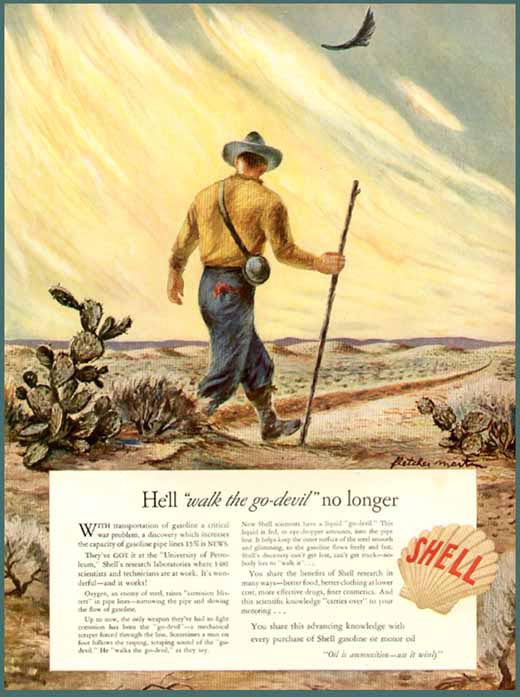
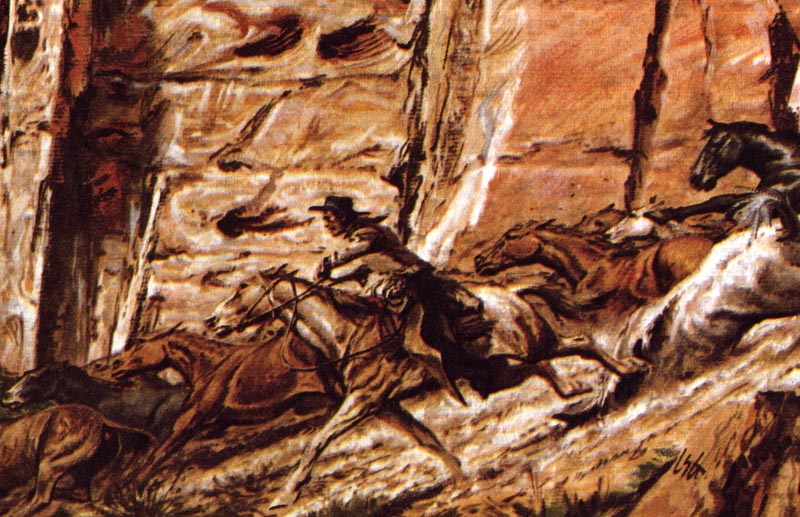
In the broad scheme of things, its unlikely that one would categorize Fletcher Martin as an illustrator. He was truly a fine arts painter who occasionally took on illustration assignments. Here is one of the earliest I've ever seen - found online - from 1942.


Martin firmly believed in painting what he knew, what he had experienced, and considering his youth and early adulthood, wandering hobo-like through Depression era America, the Shell ad seems more than appropriate subject matter for him.

Martin had hopped freight trains, worked as a day labourer picking fruit, done highway construction jobs and been a lumberjack. He had joined the Navy and sailed the oceans of the world... he was an ex-prize fighter. So years later when he said in an interview, "In painting a prize fight, for example, you need to know what it feels like to fight. Before you can draw and order a thing you need to get the feel of it. Good pictures come out of one's experience, out of one's life."


Asked how he consolidated his inclination for painting what he chose to paint with the needs of a commercial client, he replied, "There was never any problem for me because there was never any art direction involved. I was not restricted. I brought in the drawings and they chose those they wanted me to develop into paintings."


Hard for most illustrators to imagine - having such complete freedom!

Fletcher Martin was hardly as prolific an advertising illustrator as many others we've looked at here, but the trade-off of complete creative freedom was clearly too essential for him to compromise. Martin said, "I could have been much more solvent doing something else. Being an artist has been a difficult thing, but I paint because it has been my major interest ever since I can remember."

"I never even thought of being anything else but an artist. As a kid I didn't know exactly what I wanted to be but there was an awareness that I was longing for something. Art satisfied that longing."


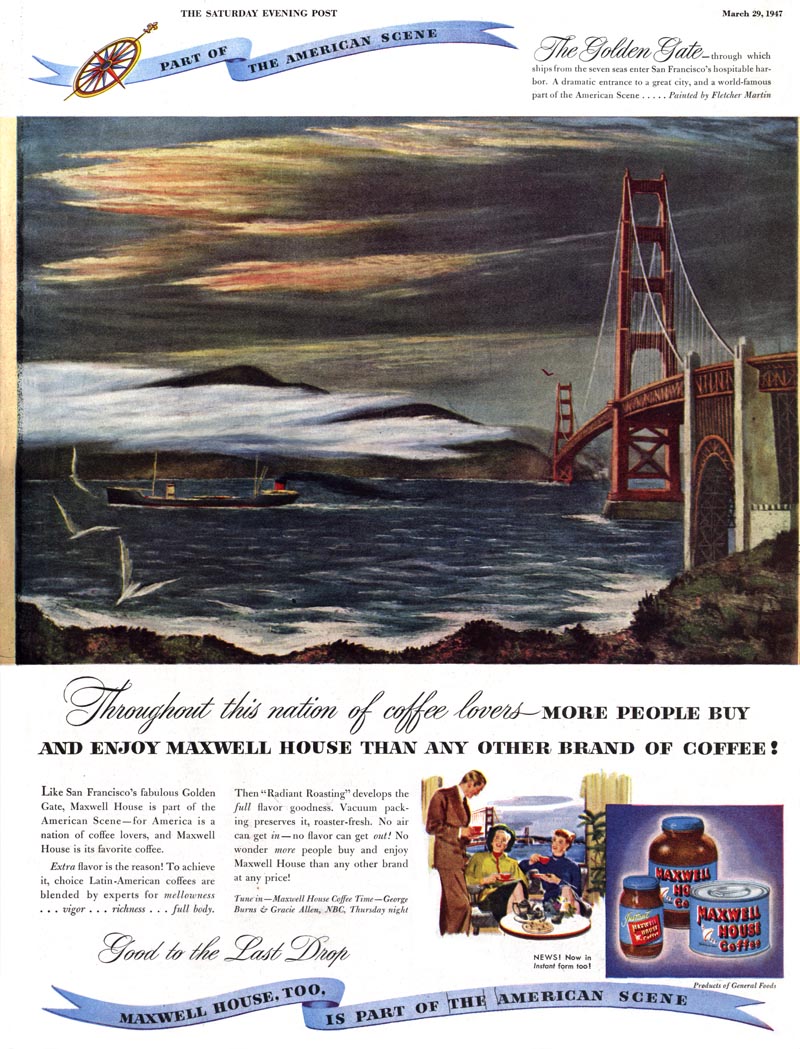
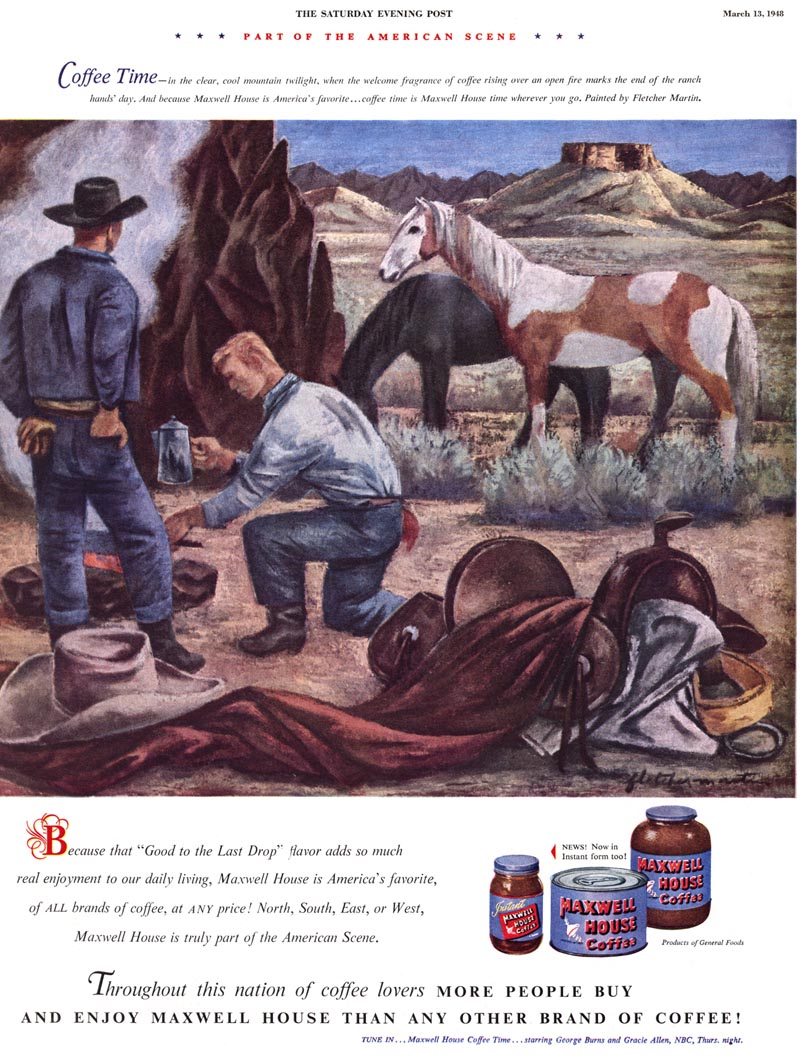
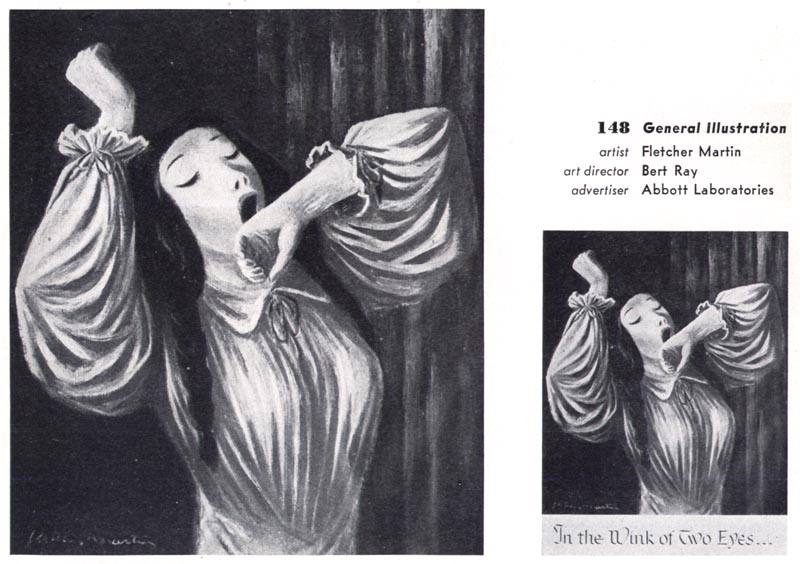
Art directors clearly appreciated Fletcher Martin's commitment to his personal vision. His work was included in several volumes of the New York Art Directors Club Annuals during the '40s and '50s... and advertising assignments from major national corporations were offered time and again.


Even so, to those who would follow in his footsteps Martin proffered this qualifier: "The freedom to do what you want to do doesn't automatically produce a good thing. I don't suffer, because I enjoy the whole trial and tribulation of the problem."

"But a commission has a much more positive and definable goal than a painting that you're just doing to please yourself. Freedom is desirable..."


" ... but it can be an adversary too."

* My Fletcher Martin Flickr set.
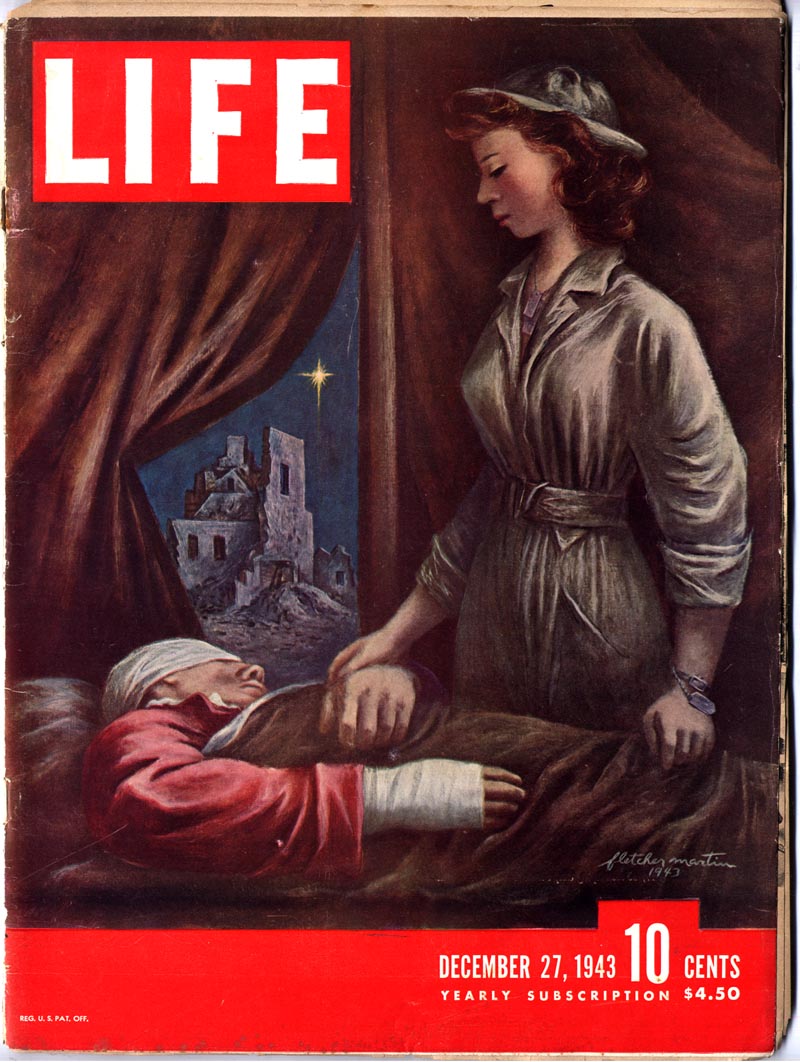
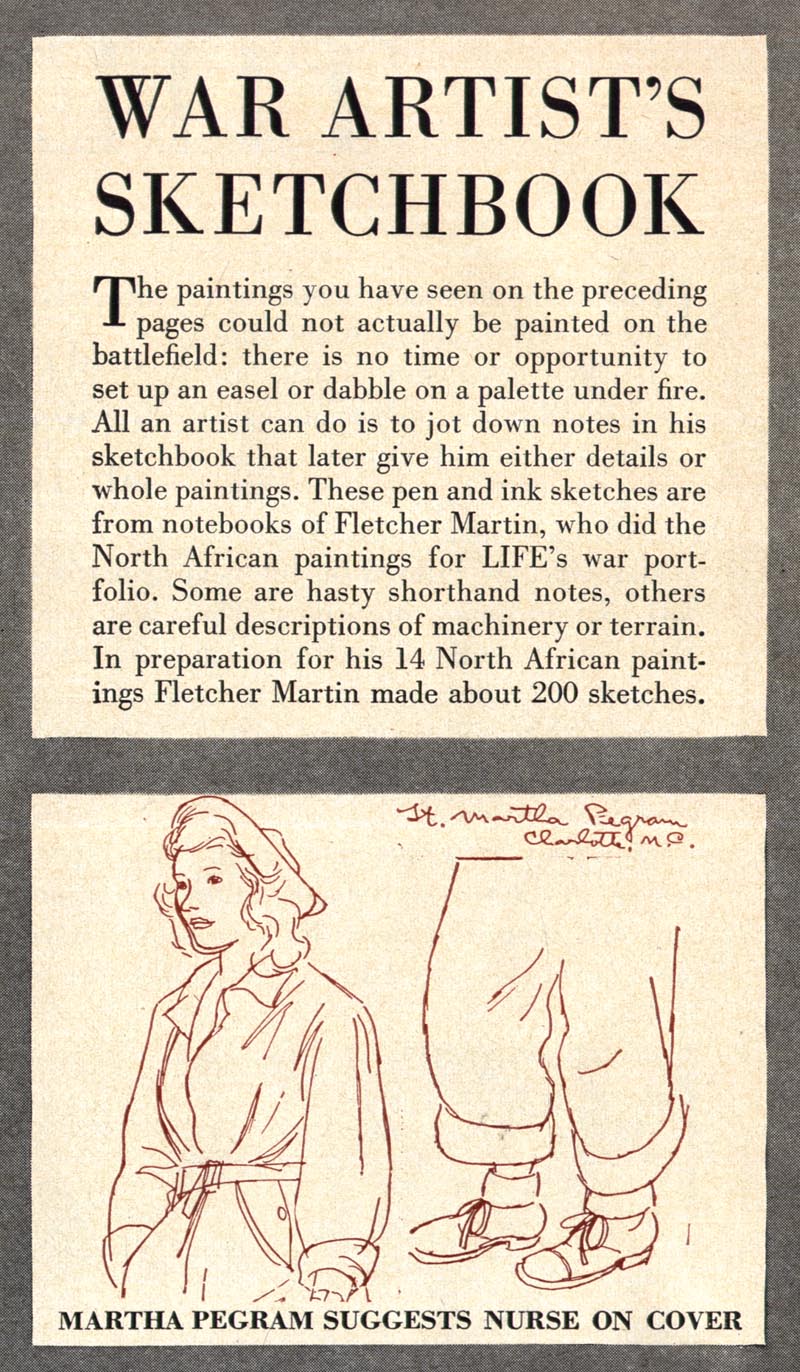
* For those who missed yesterday's comments, Joyce K. Schiller, Curator at the Norman Rockwell Center for American Visual Studies wrote to tell us that the study drawing for the December 27, 1943 cover of Life magazine by Fletcher Martin was a recent gift to the Norman Rockwell Museum collections and is currently hanging in a gallery called "Curator's Choice: Selections from the Norman Rockwell Museum Collections."

What a great opportunity for those within striking distance of the NRM! Thanks for the heads-up, Joyce.

*Also: Be sure to drop by Charlie Allen's Blog for the latest CAWS - wherein Charlie concludes his adventures in "duck stamping".

*And finally: A new post at Storyboard Central showcasing more amazing artwork by Italian illustrator, Roberto Molino.

Wednesday, November 11, 2009

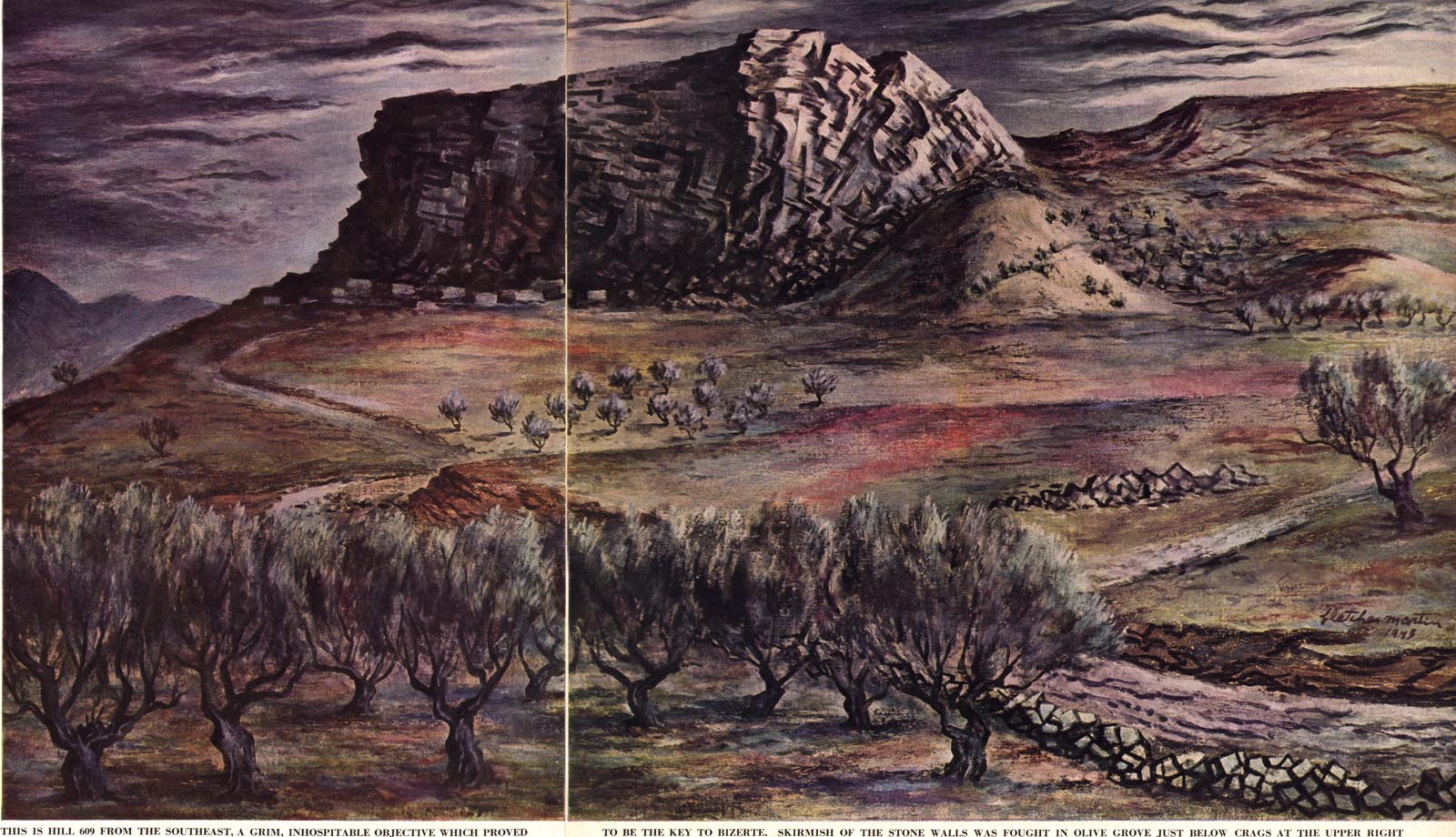
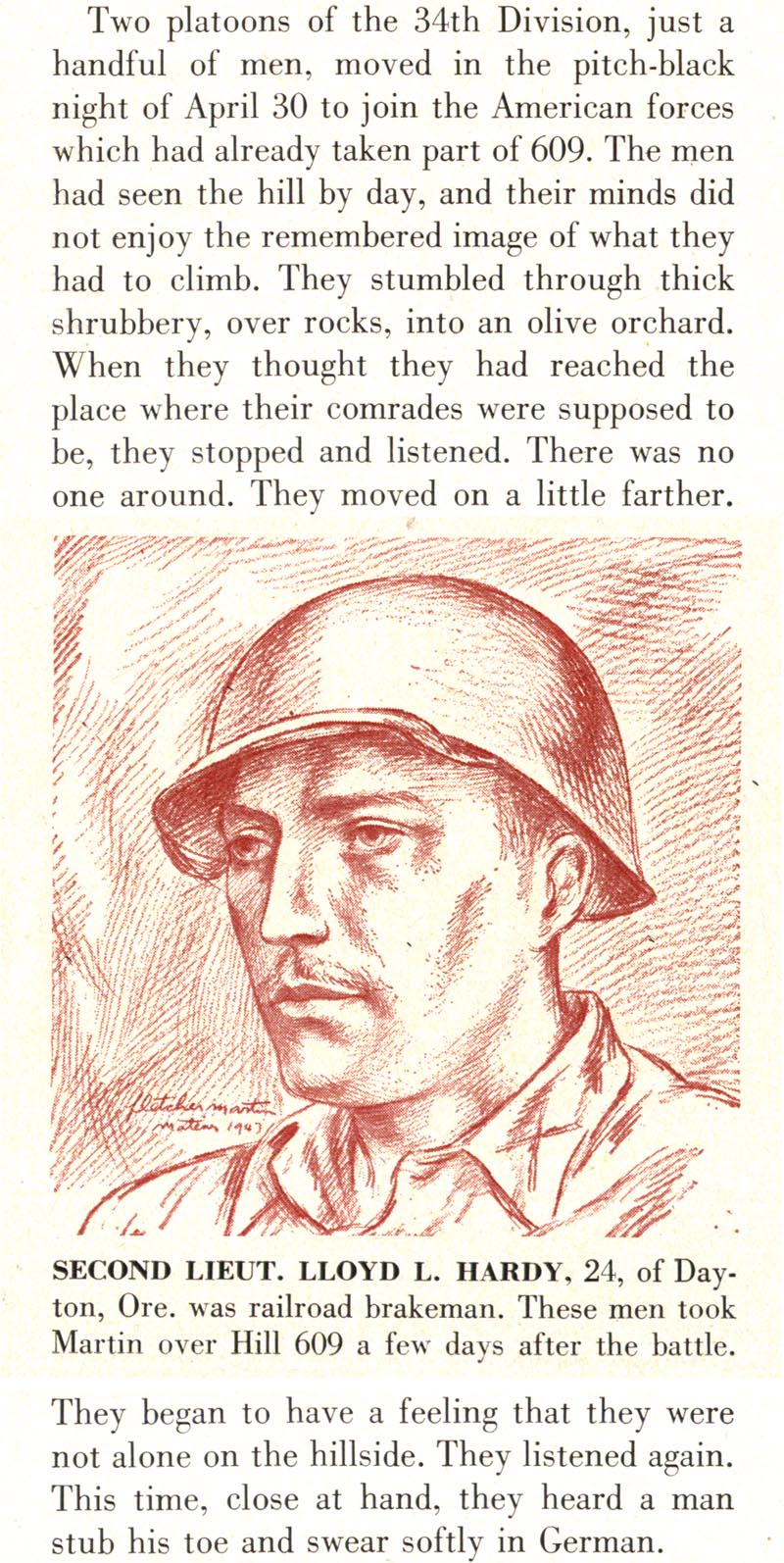
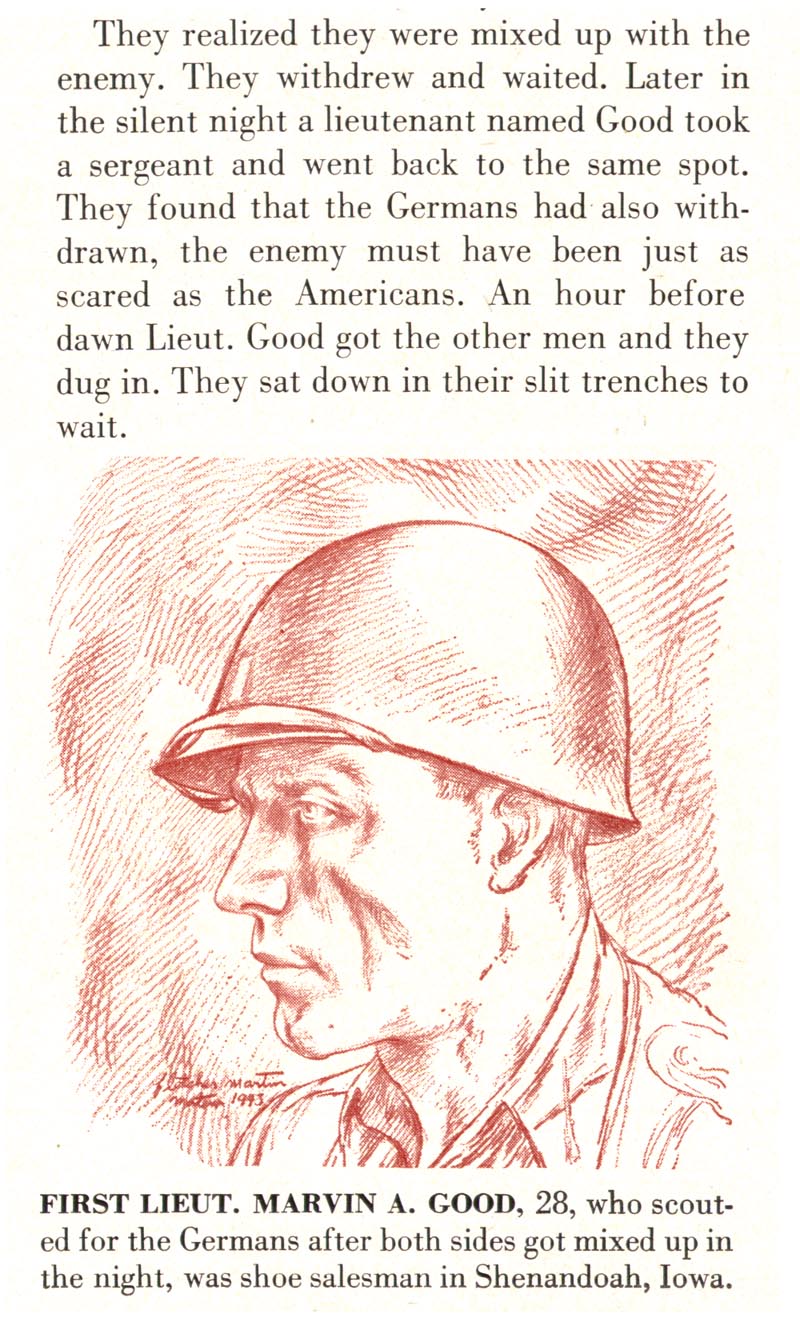
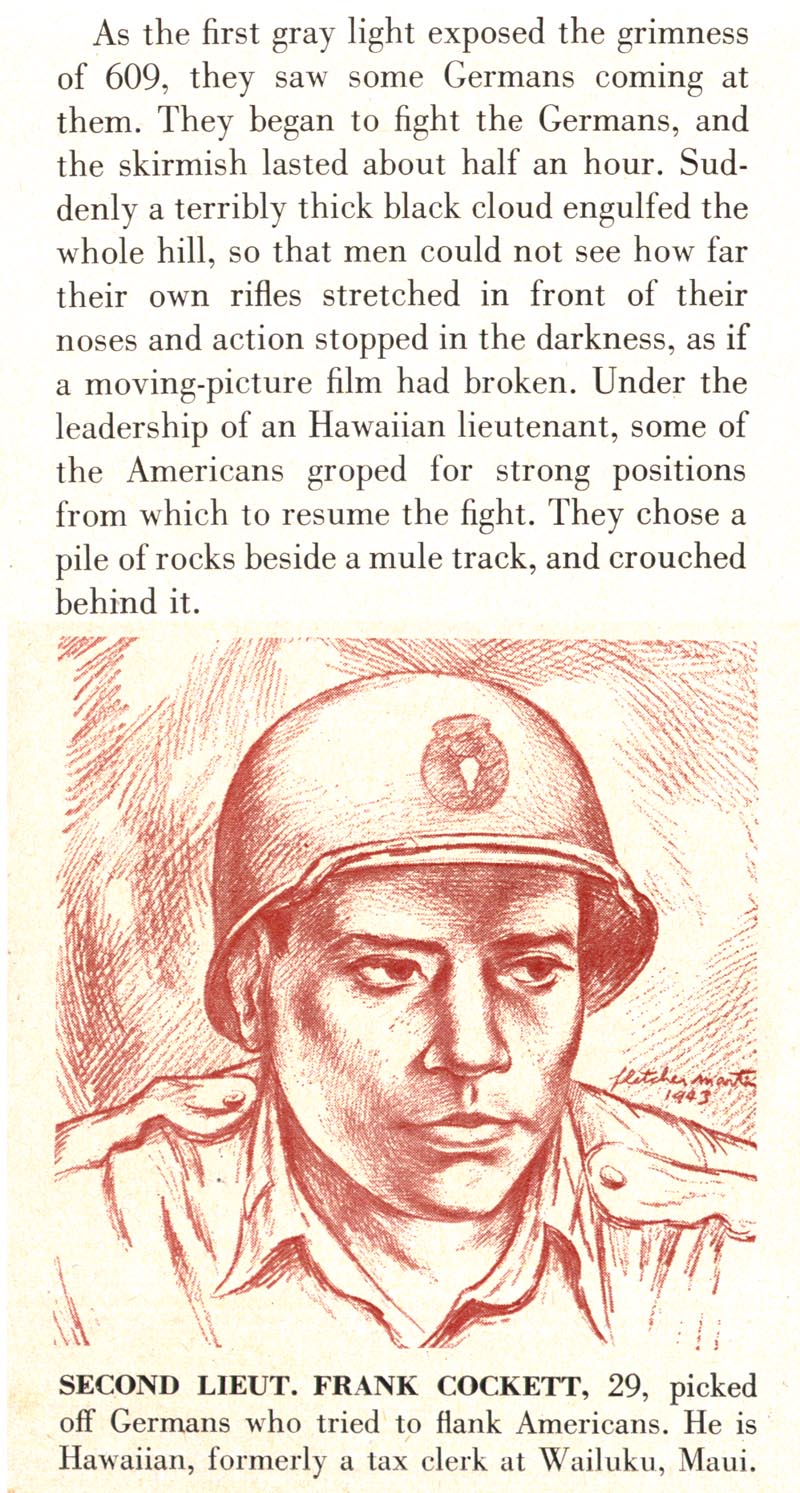
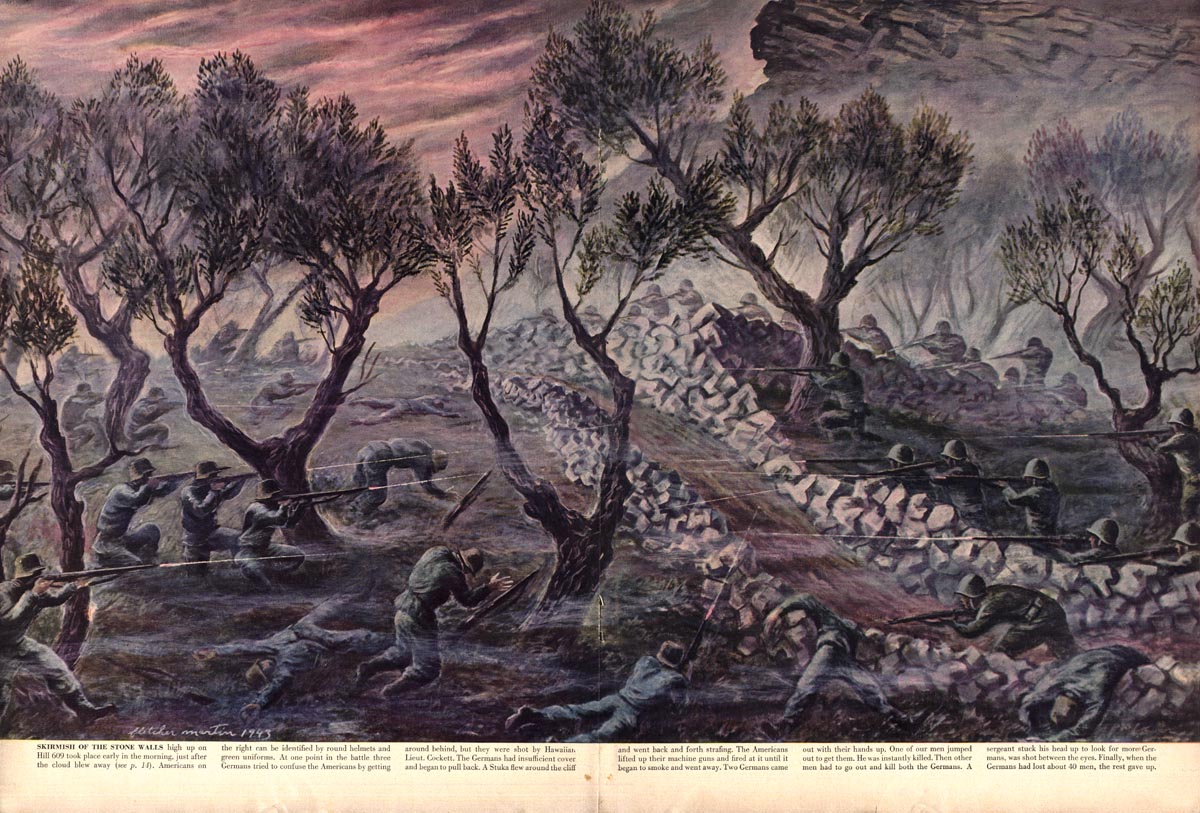
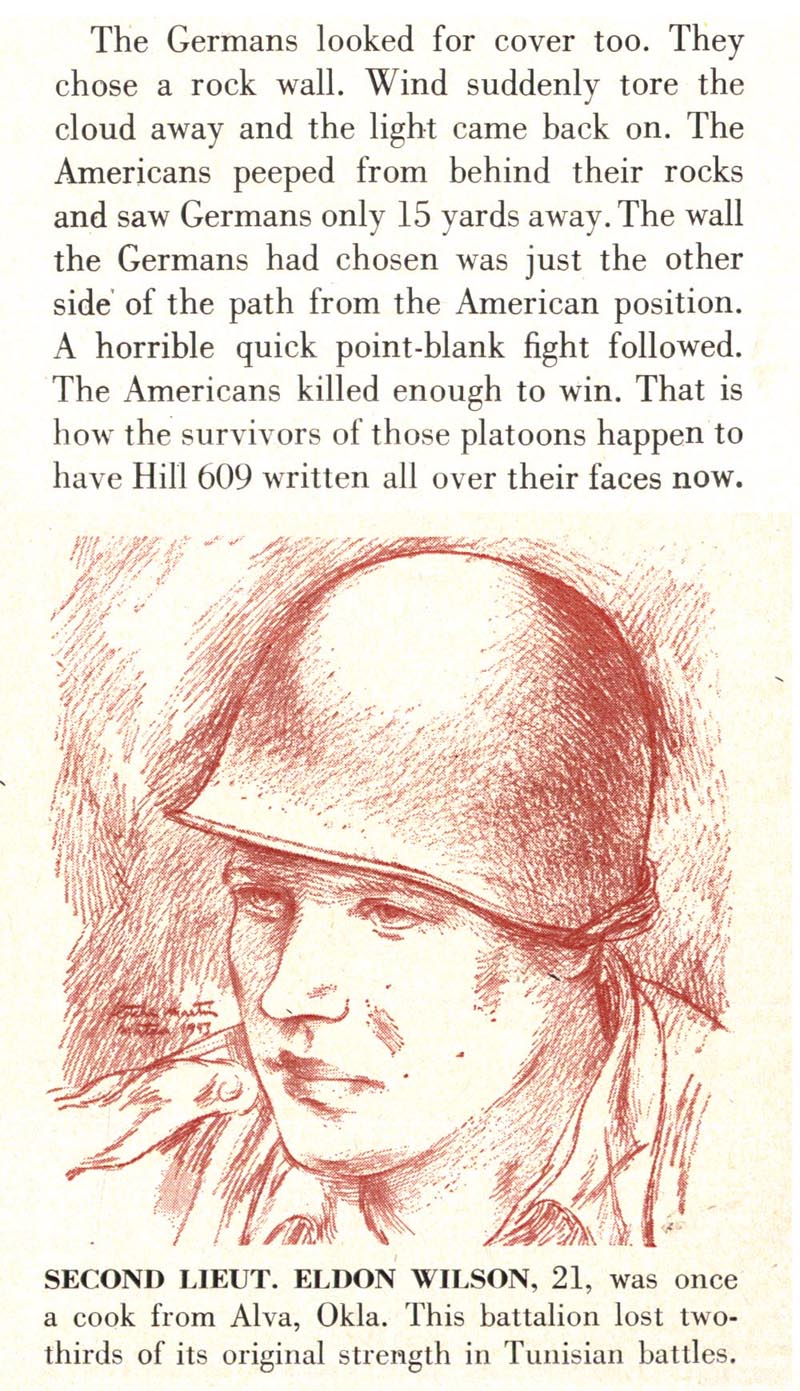
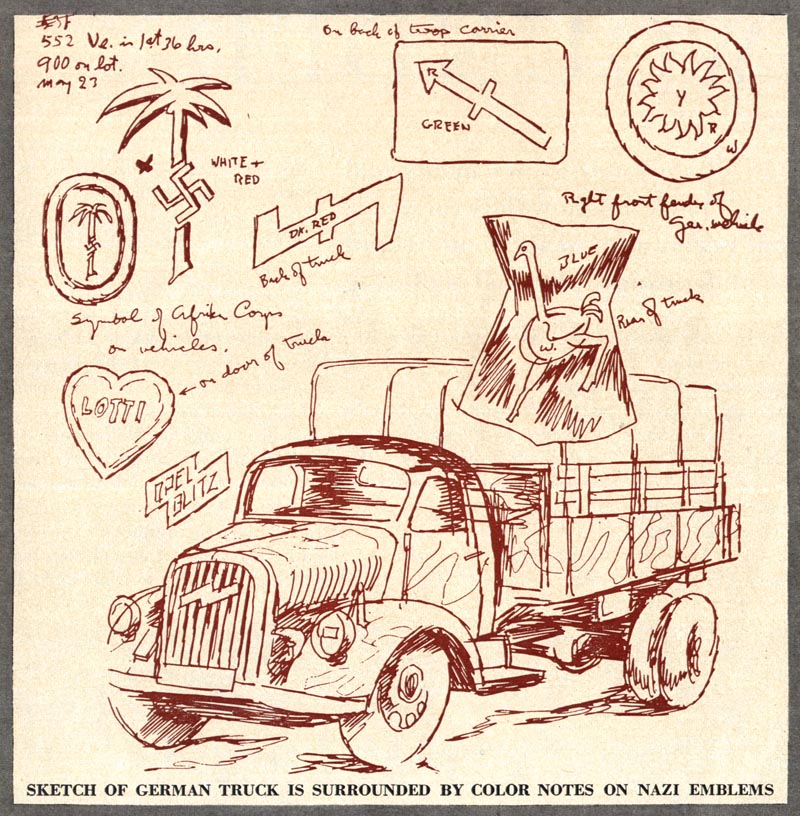
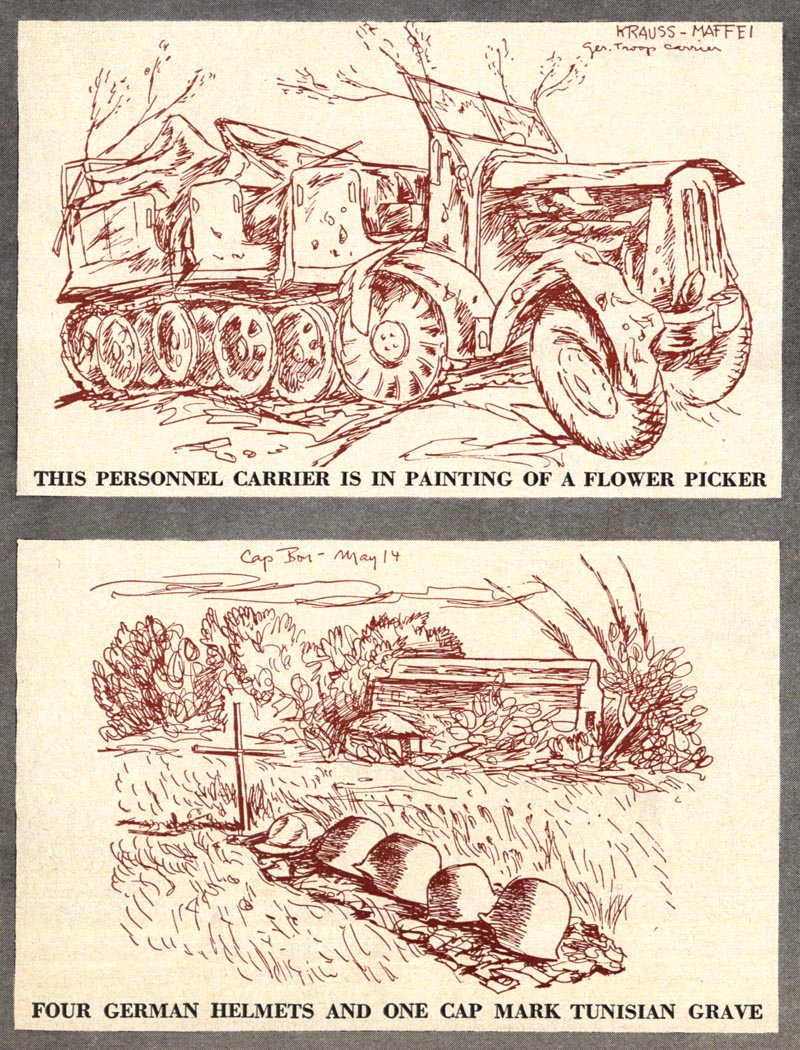
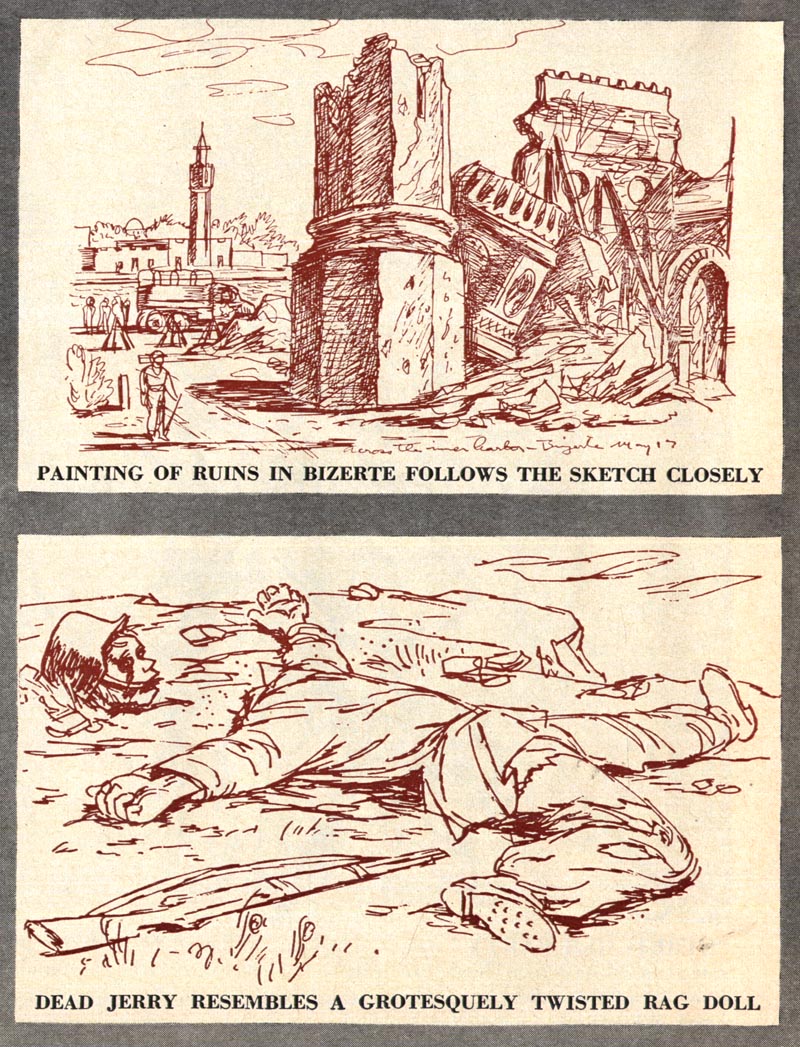
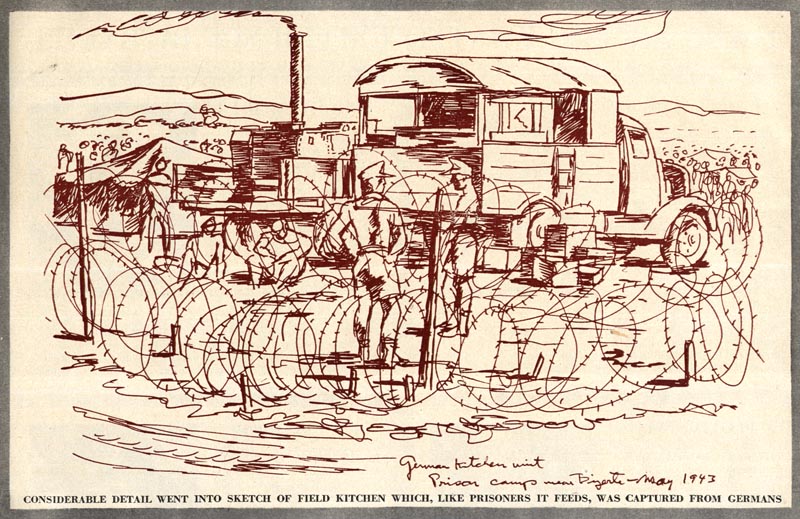
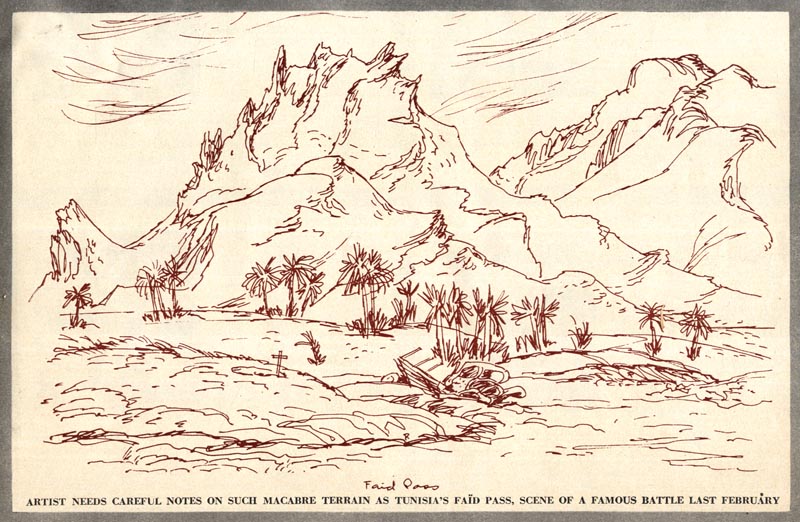
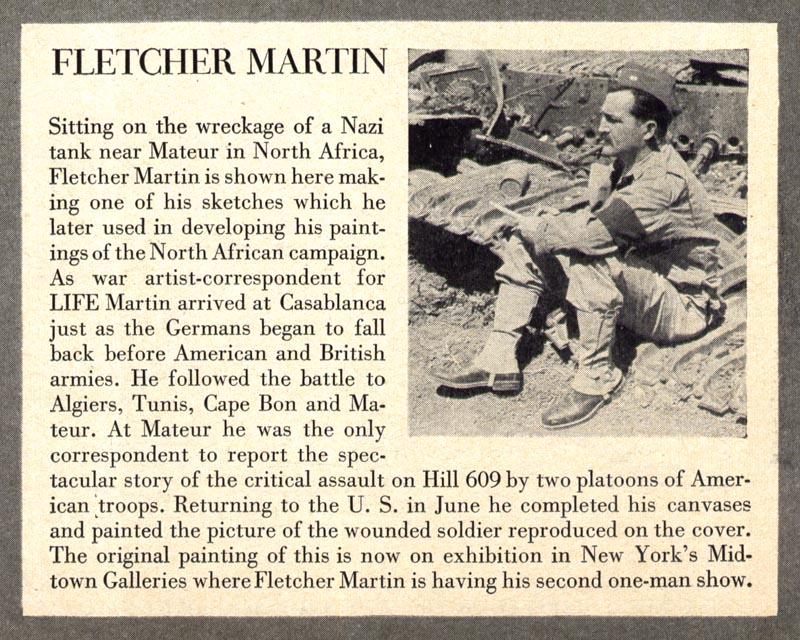
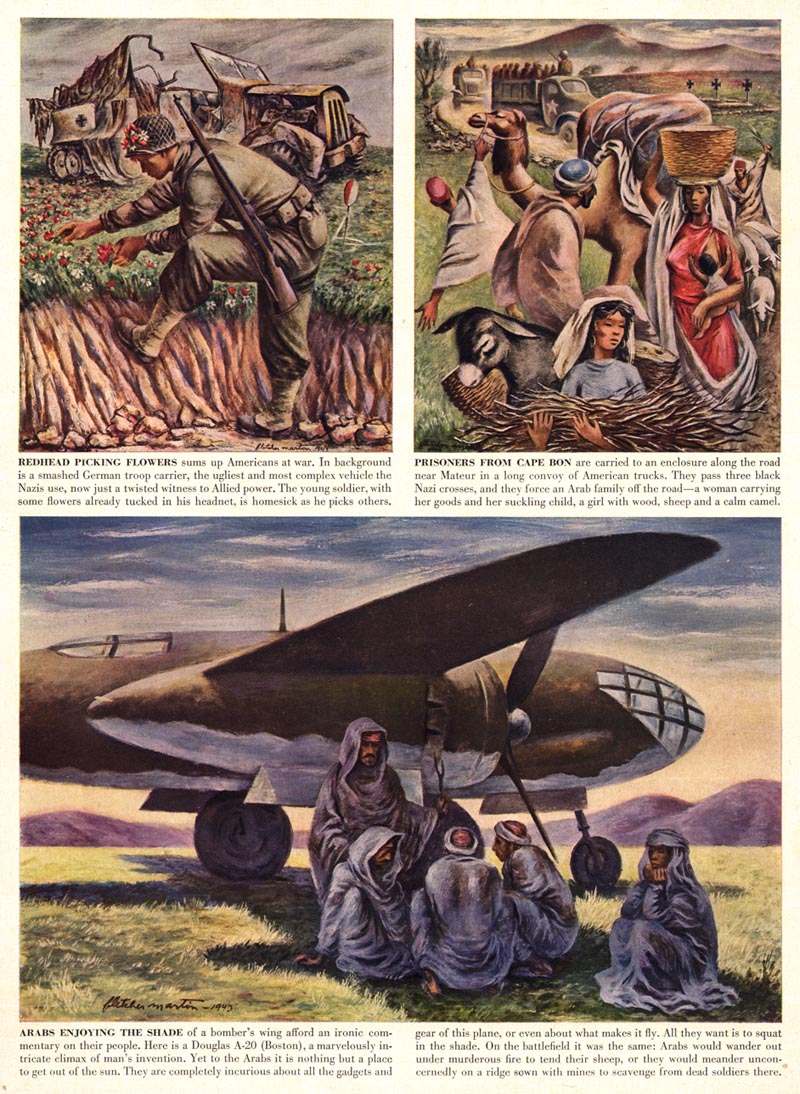
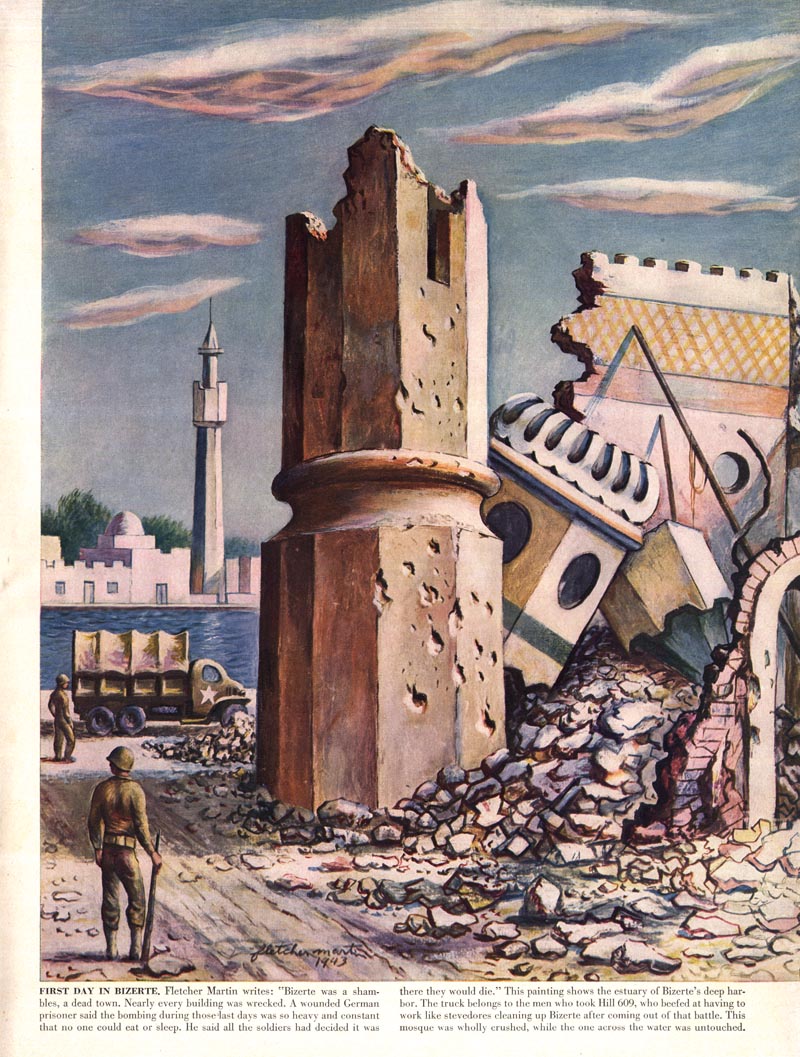
Fletcher Martin: The Art of War

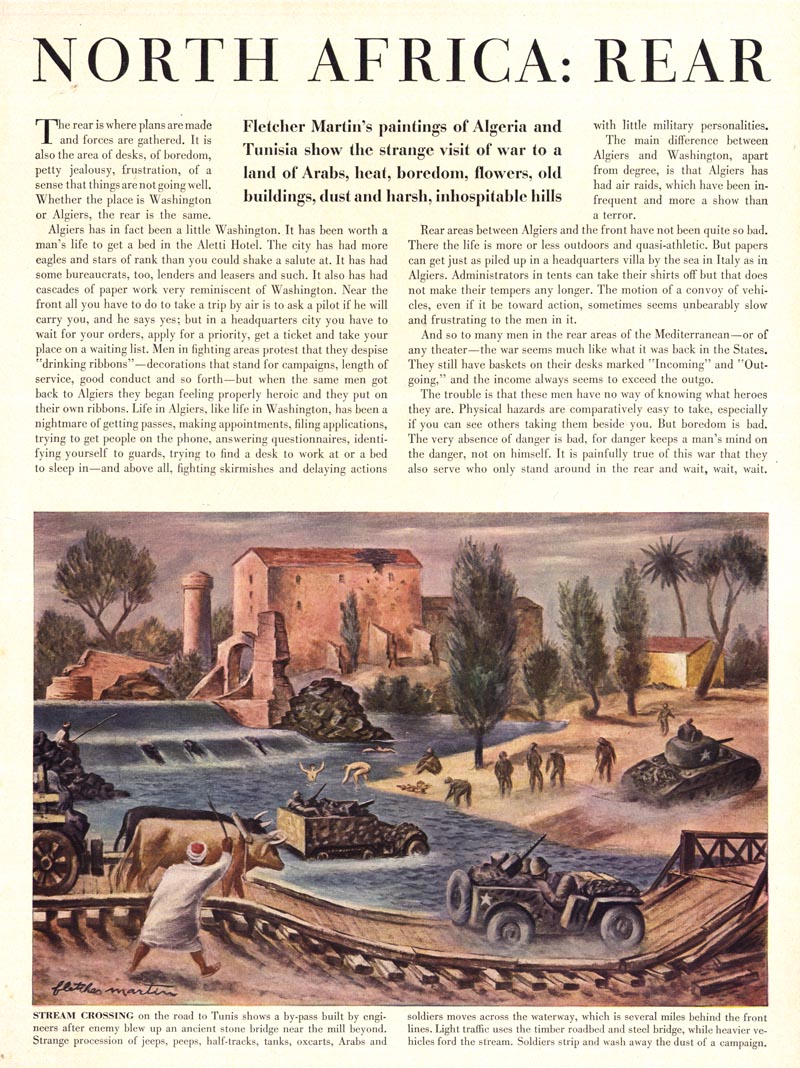
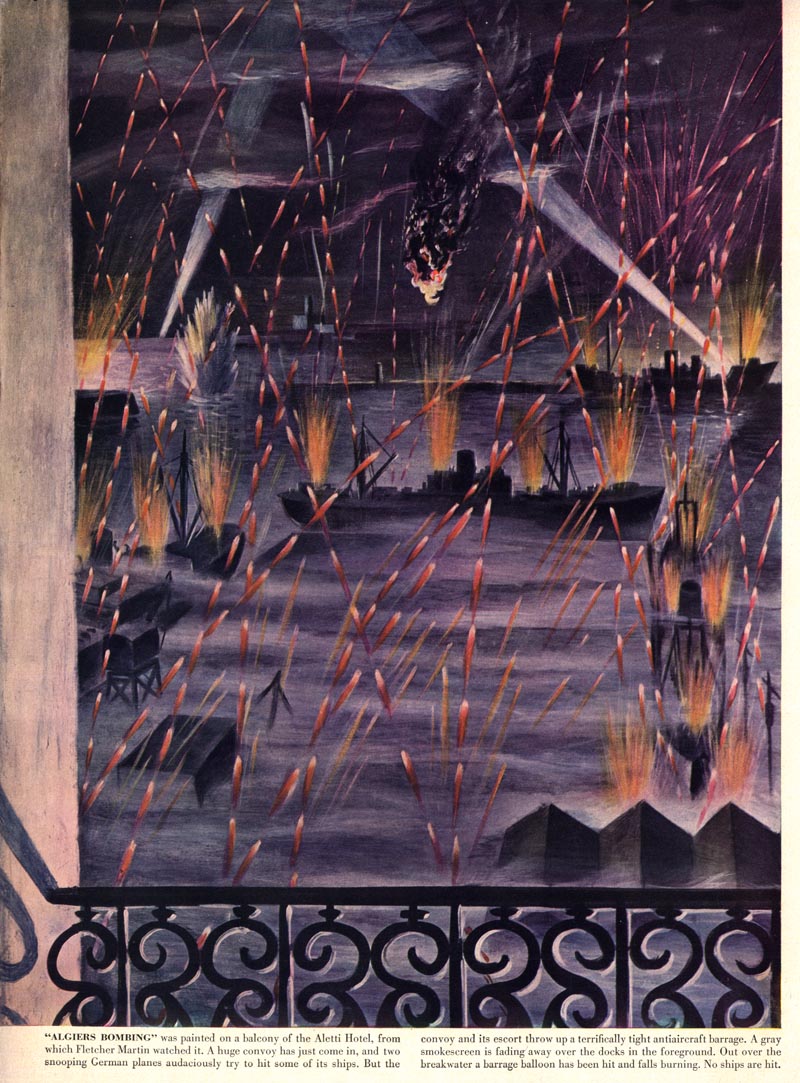
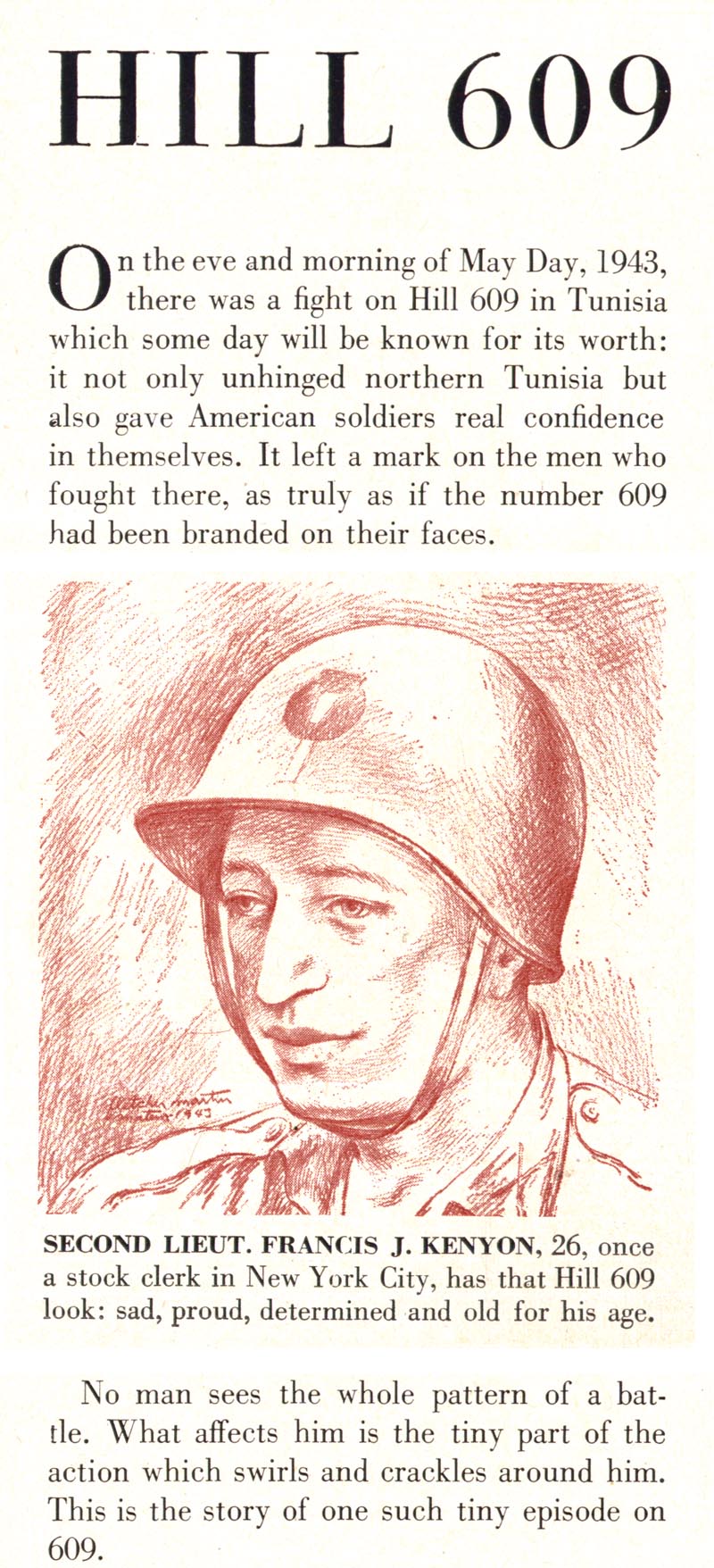
In June 2007 I spent a week showcasing the work and career of Fletcher Martin. Among the biographical details we covered was a brief passage about Martin's experience as an artist-correspondent on assignment for Life magazine during W.W. II. I mentioned in passing that his December 1943 cover and 13-page article for Life brought him national recognition. Earlier this year I acquired that issue of Life. On this Remembrance Day (Veteran's Day in the U.S.) I'm pleased to present to you all of the Fletcher Martin material from that issue.


* If You never saw my previous posts on this remarkable artist, you can read them at these links:

Part 1, Part 2, Part 3, Part 4, Part5

* Fletcher Martin's work is represented by The Fletcher Gallery

* My Fletcher Martin Flickr set

Tuesday, November 10, 2009

Louis S Glanzman: The Amazing Man

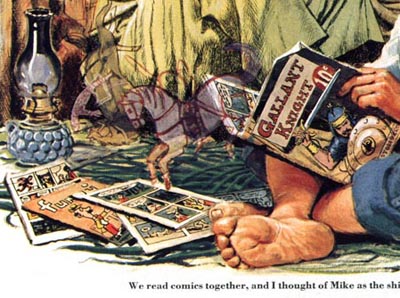
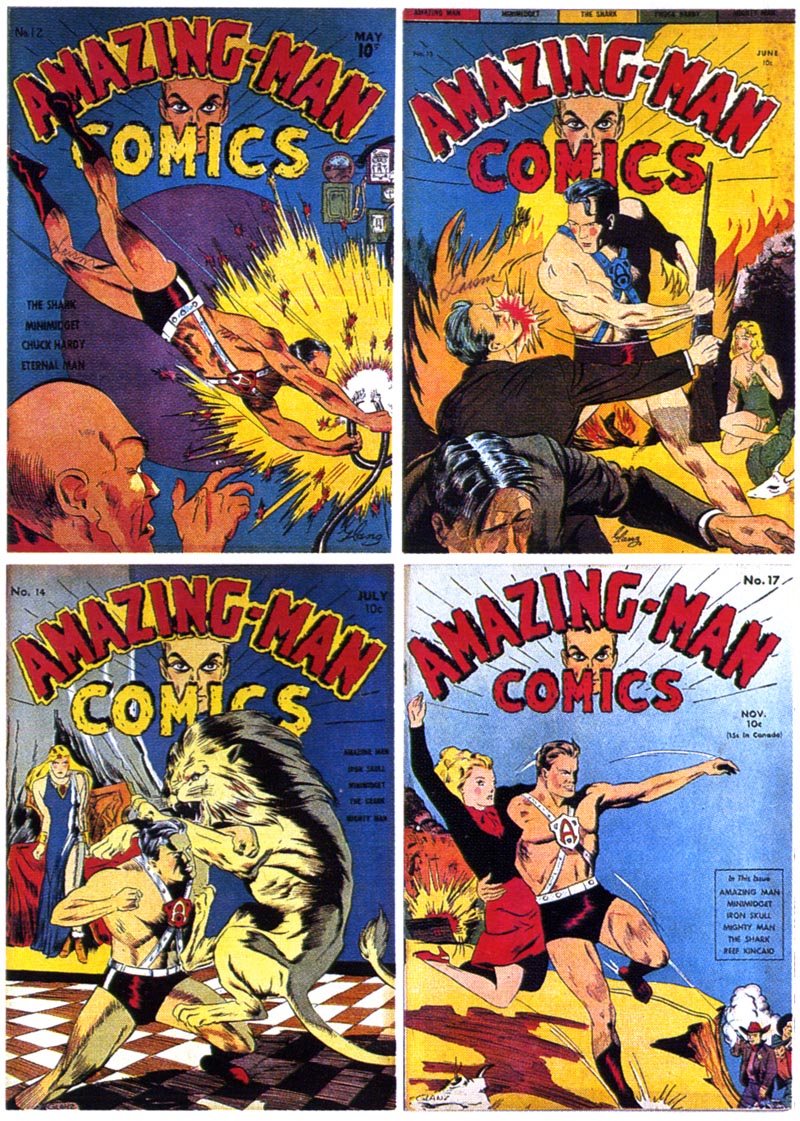
Years ago when I first began exploring the file folders of old magazine clippings that would one day become the original source material for Today's Inspiration, I came across the illustration below and immediately fell in love with it.


I loved the beautiful line drawing, so confident yet delicate; the rich, warmth of the painted colour scheme... but most of all, as a life-long fan of comic books, I loved the subject matter.

The artist had taken the time to make up a bunch of imaginary old titles and characters and mocked in page details and cover indicias. Something told me this artist shared my fondness for comic books. There was a lot of love in this illustration.


But who was this mystery artist from the mid-20th century? Back then I wouldn't have known a Pitz from a Parker...


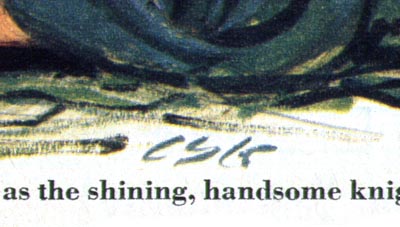
... so what looked like the initials "C S K" signed along the bottom of the illustration meant absolutely nothing to me.


I lingered for a while over the illustration, scanned it and sent it out to the few early members of the TI mailing list ( whom I knew would appreciate it as well) and filed it back away where I had found it.

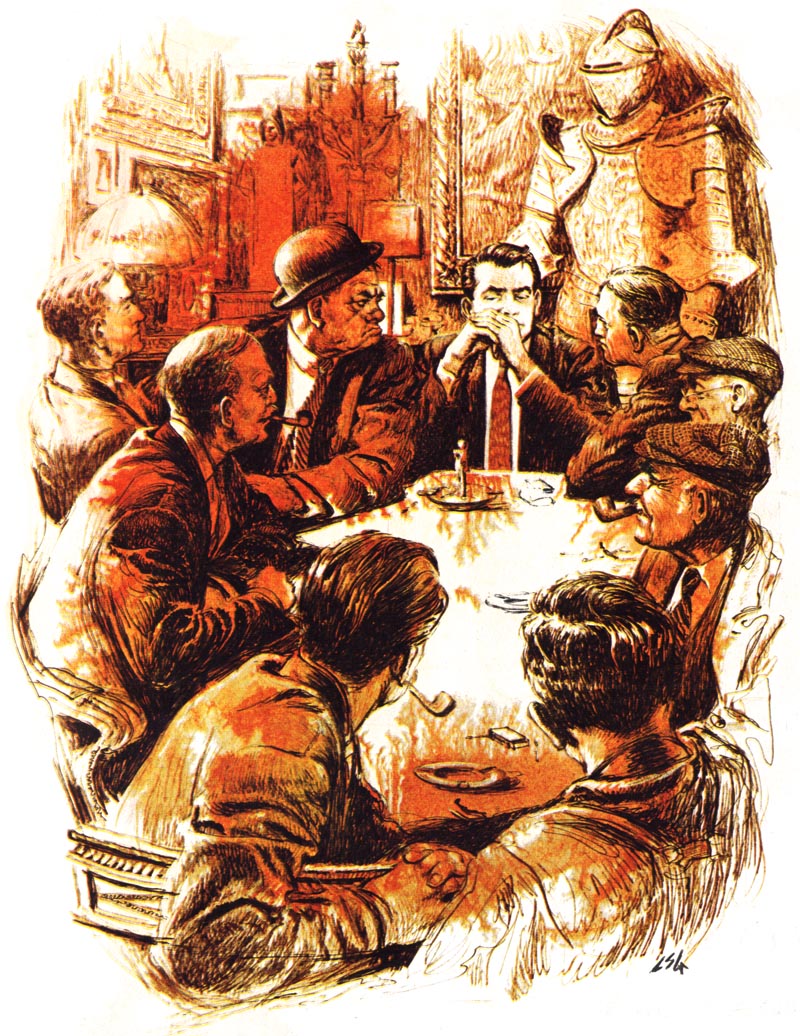
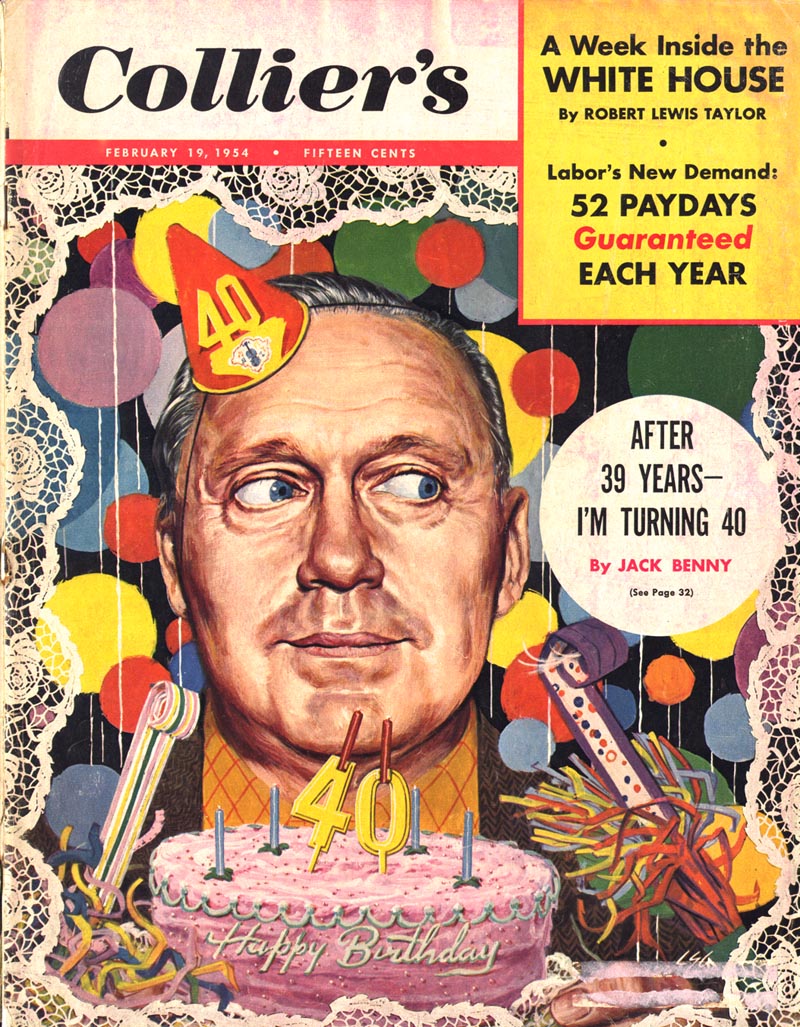
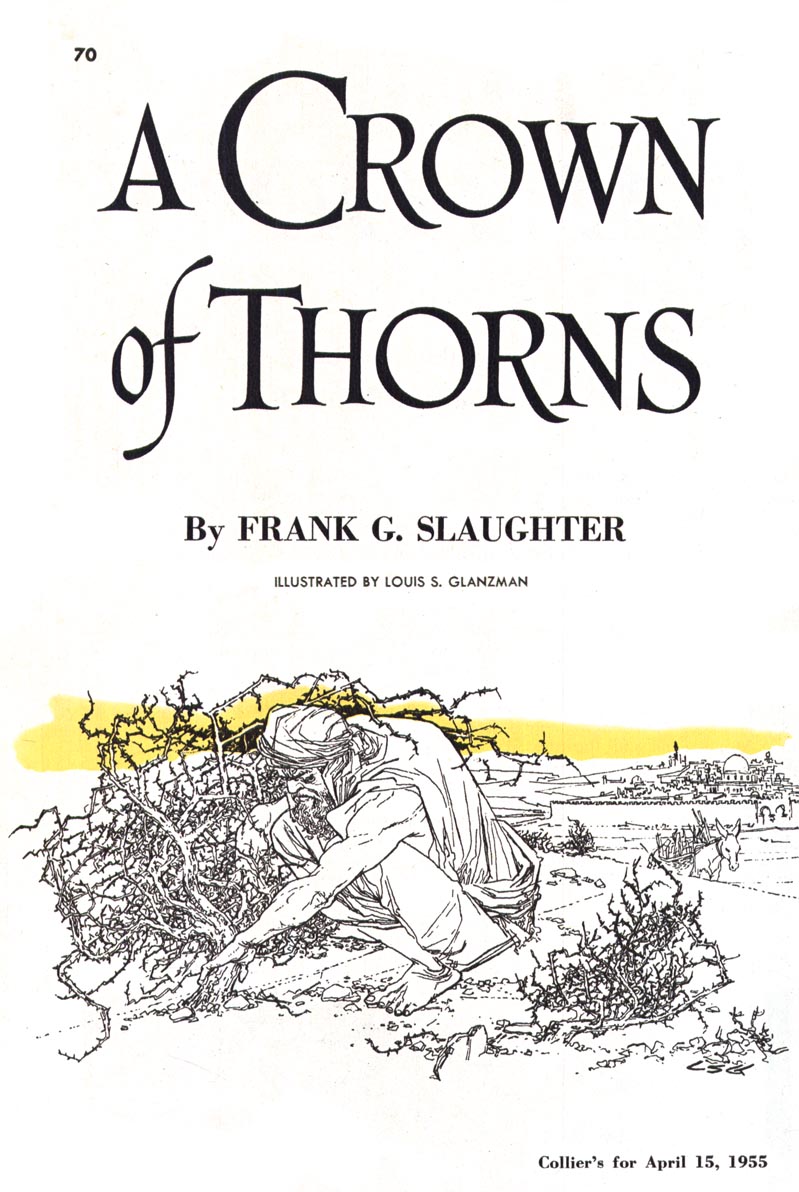
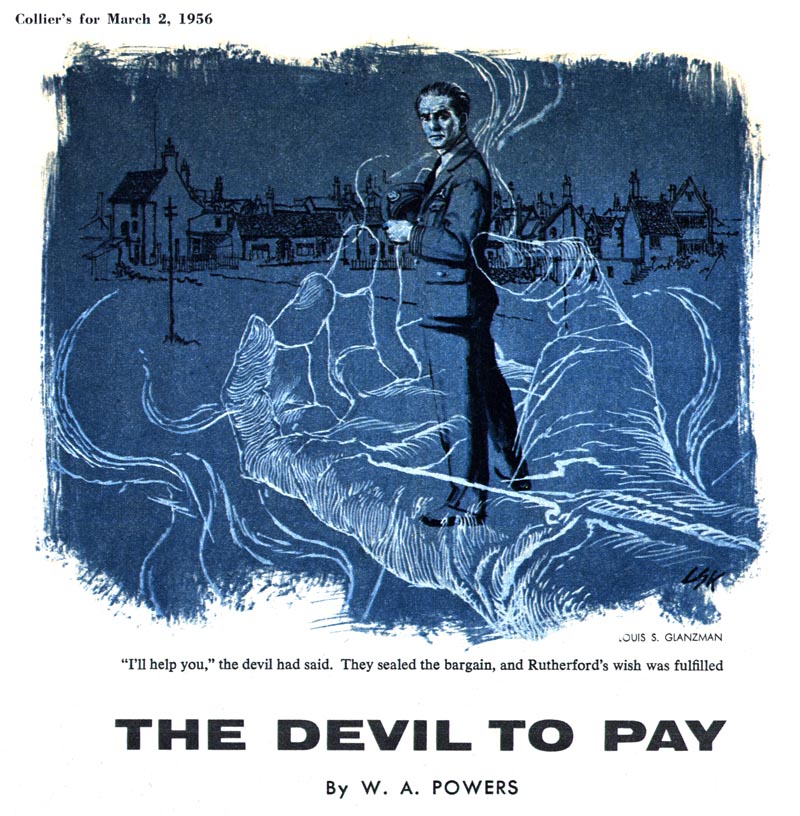
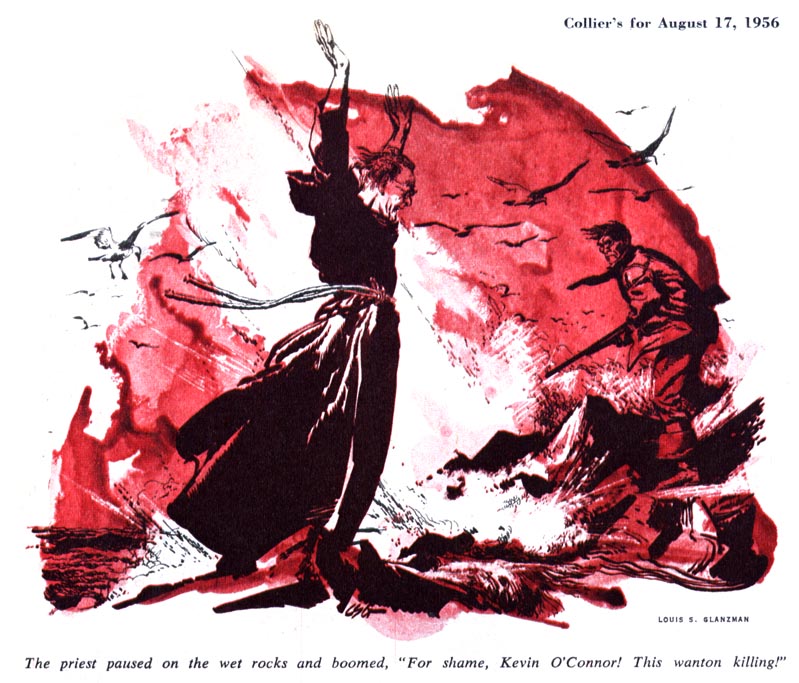
Fast forward several years. I had just acquired a nice stack of 1950s Collier's magazines and begun flipping through them... when the illustration below stopped me in my tracks.


Something about the style of this illustration reminded me of that earlier beloved piece by "C S K"... except this time the three initial signature was clearly "L S G"... and further, the accompanying article identified the artist as "Louis S Glanzman".

I knew I had finally found the mystery illustrator!


As I learned more about Lou Glanzman I came to understand why he had so affectionately rendered all those comic books in that first illustration: at age 16 Lou began his professional art career as a comic book artist. He created a back up feature called "The Shark" in Centaur Publication's Amazing Man Comics. Lou earned $7.50 per page to write, draw, ink and colour "The Shark." A few months after he began working for Centaur, the main feature's creator left and Lou took over "Amazing Man". In Alter Ego magazine #46, interviewer Jim Amash asked Lou if the promotion came with a raise. "No," Lou told him, "But I got more pages to do. I think that's why I got the work. I was a kid and could draw. I was just happy for the work. All I thought about was getting more pages to draw."


For that 16 year old kid it would take almost another lifetime - but in 1953, at age 31, Louis S Glanzman was accepted into the Society of Illustrators. That same year he illustrated his first cover for Collier's magazine. In '54 he illustrated two more.

Not bad for a kid who grew up in rural Virginia and never really attended art school. Lou Glanzman, the real Amazing Man, had finally arrived.


Collier's became a steady client for Lou. And at the SoI, he had the distinction of socializing with some of the giants of the illustration business. He often shared a table with William A. Smith, Norman Rockwell and Harold Von Schmidt.


"In fact," Fran Glanzman told me during our phone conversation, "Lou travelled to the Far East with Von Schmidt."


For the next several years Lou contributed artwork to Collier's on an almost weekly basis.


I ask Lou what kind of guy (Collier's AD) William O. Chessman was...


Lou replied, "He was a great guy - a great client."


Fran added, " Collier's was a weekly, and everybody looked at it. For Lou to be a regular contributor was a very big deal."


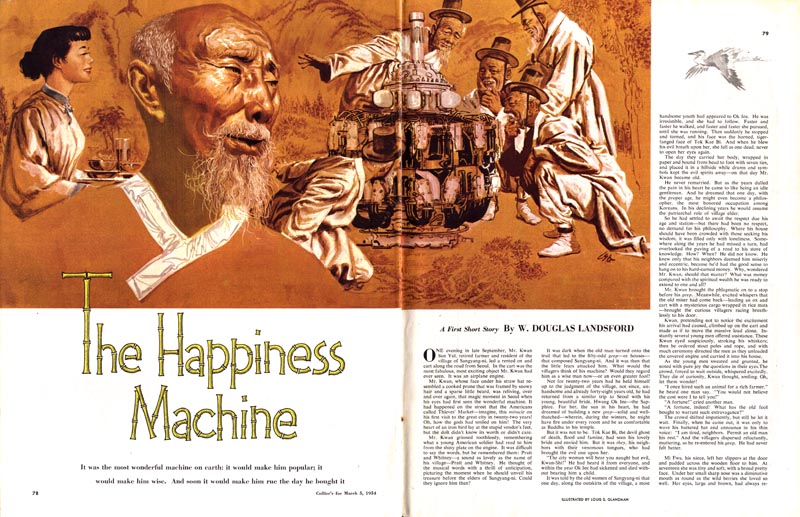
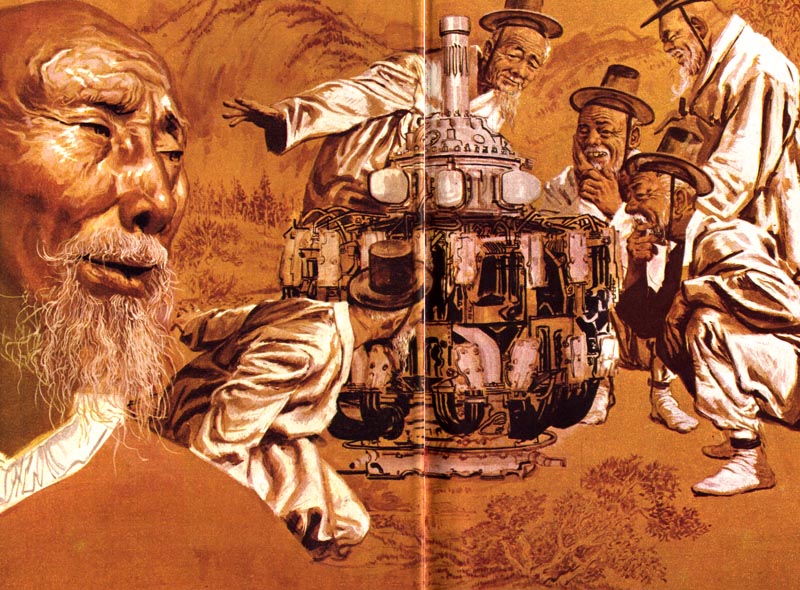
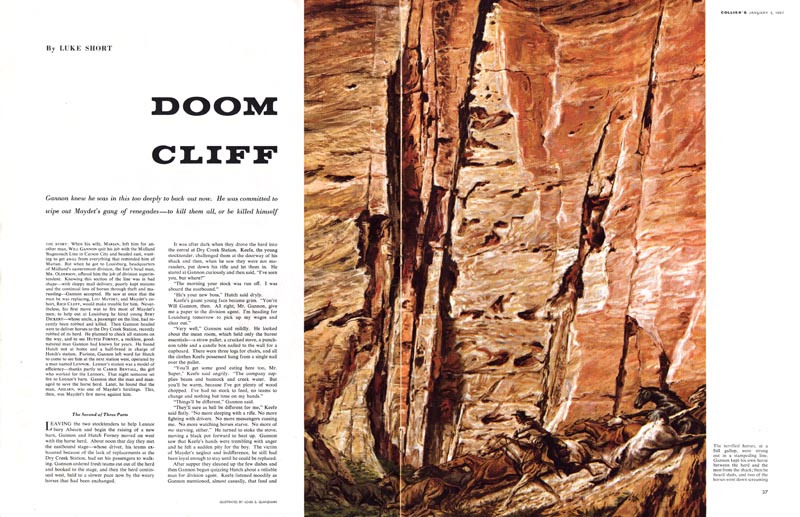
Unfortunately Collier's ceased publication at the end of 1956. This double page spread from the January 4, 1957 issue must be the last piece Louis Glanzman ever did for the magazine.


Just as the Collier's illustration at the top of this post featuring comic books looked back on Lou Glanzman's past, this final western-themed Collier's illustration seems to have portended the artist's future: he would go on to become one of America's most prolific - and highest paid - illustrators of Western themed paperback covers.


For an article in Illustration magazine # 19. Lou told author Gary Lovisi that as a boy he loved to draw. "I never did get to go to an art school, but I never stopped drawing - and then I learned to paint."

Today, at age 87, Louis S. Glanzman - the Amazing Man - still draws and paints. Every day.

* My Louis Glanzman Flickr set.
* Lou Glanzman's website