Showing posts with label Will Davies. Show all posts

Wednesday, July 01, 2015

Will Davies, Teacher

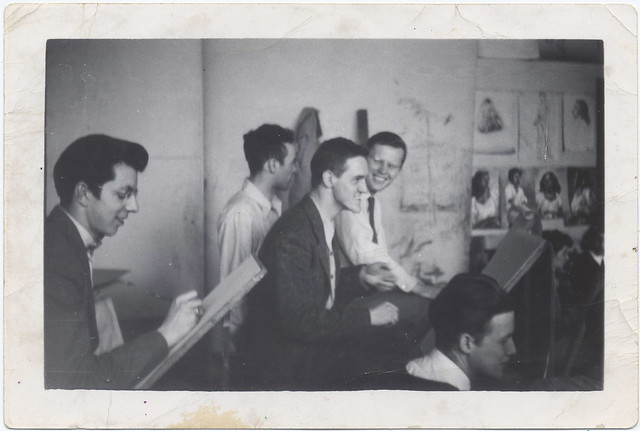
As a young man, Will Davies studied at the Ontario College of Art. Looking at the eager, smiling student in this mid-1940s photo, I doubt he could have imagined that one day he would become one of the college's most revered and respected instructors.

WillatOCA

Will's daughter Pam Davies wrote the following about her father's teaching career:

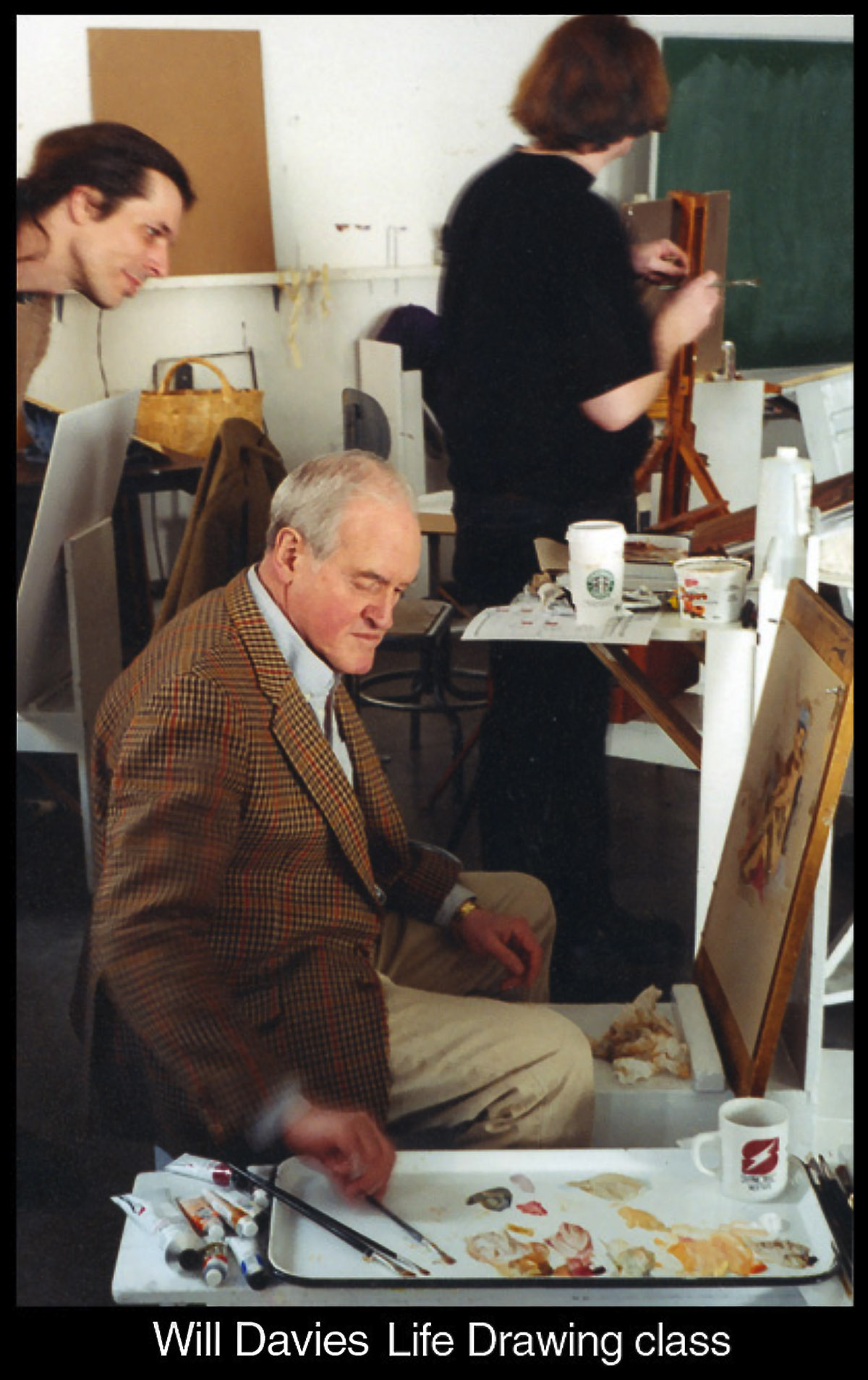
"In 1969 Will Davies was hired as a part-time instructor at the Ontario College of Art (O.C.A.)

For 19 years he generously shared the knowledge of years of experience as a working artist. Many of today’s illustrators, who were previously students, owed their careers to his mentoring. It was invaluable to be taught by the most sought-after Canadian illustrator."
Davies27.jpg

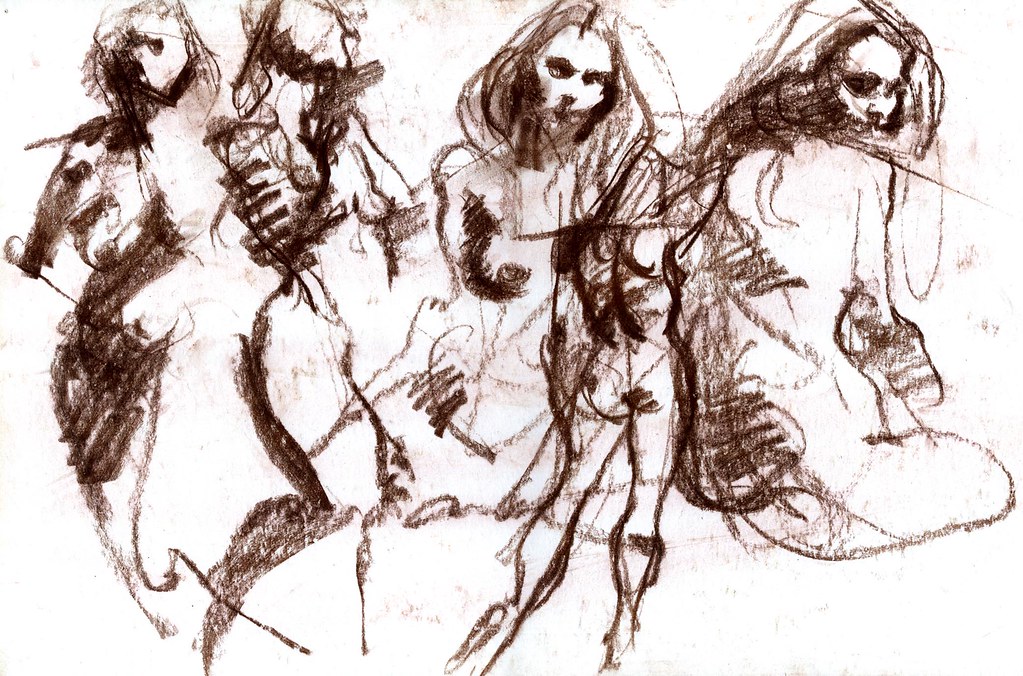
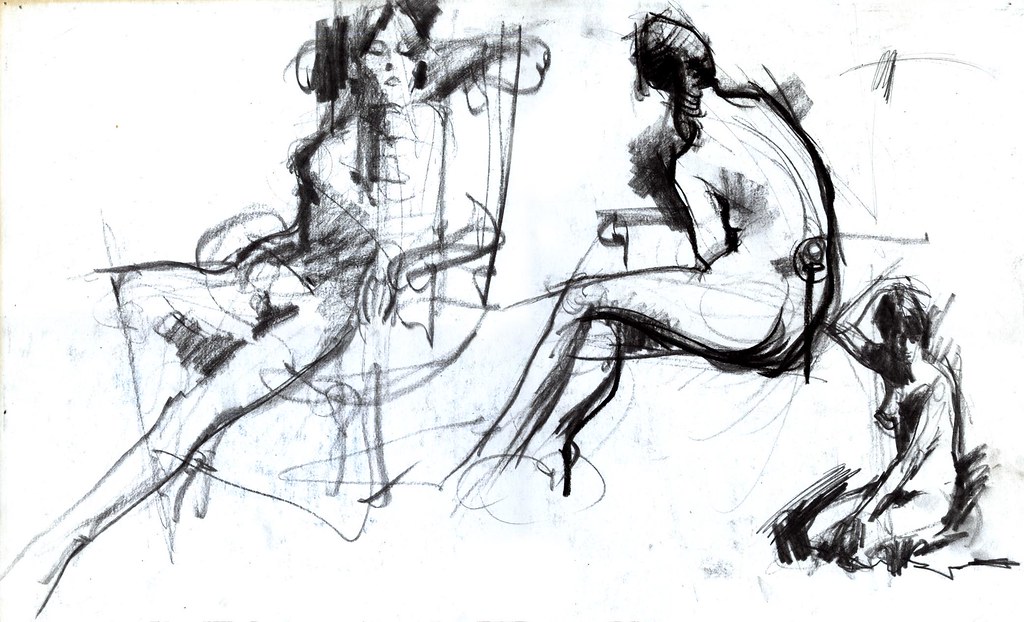
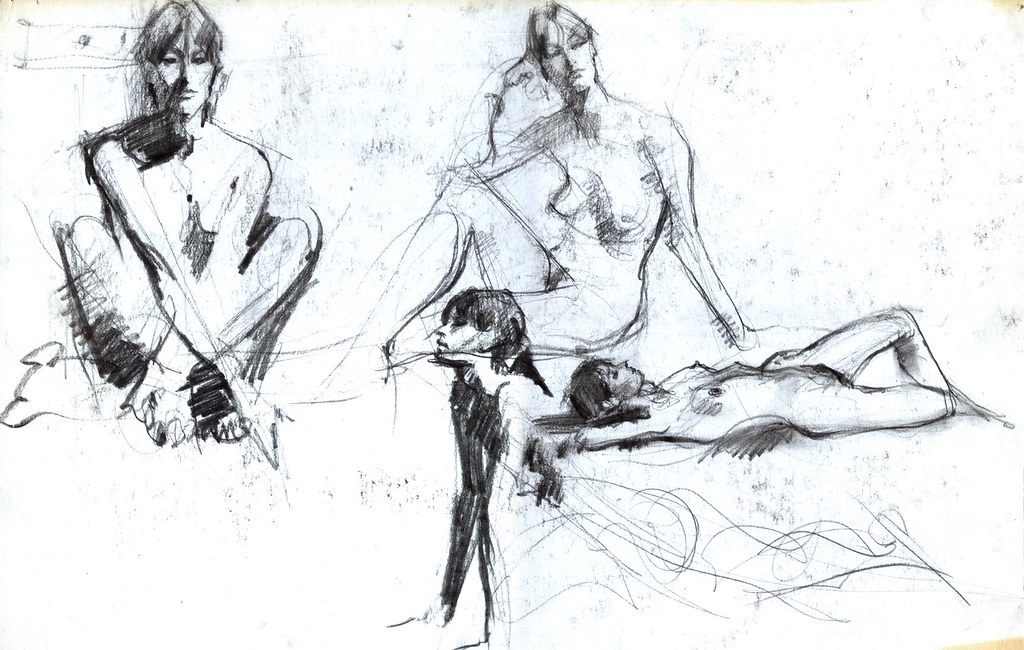
"During the turbulent years of the late ’60s, early - ’70s at O.C.A., life drawing classes (traditionally a basic fundamental for any illustrator) were withdrawn from the curriculum, along with many other basic courses. Davies stuck to his ideals, knowing the value of life drawing as an illustrator, and offered free life drawing classes after school."
Davies28.jpg

"Without this critical basic skill, many students would have lacked the backbone of good illustration. Life drawing classes have since been reinstated."


That Will Davies' teaching profoundly influenced and inspired countless students is beyond a doubt. Many of today's top professionals have told me so personally. Internationally renowned concept artist Dan Milligan said he retook Will's class in each of his four years at O.C.A. simply because the administration would allowed him to do so. Why bother taking classes from some other lesser instructor... this was Will Davies. As Dan says, "He was THE guy to get."
Davies171

Award winning Toronto-based illustrator Amanda Duffy recalls her experience in Will's class at OCA in the '80s:

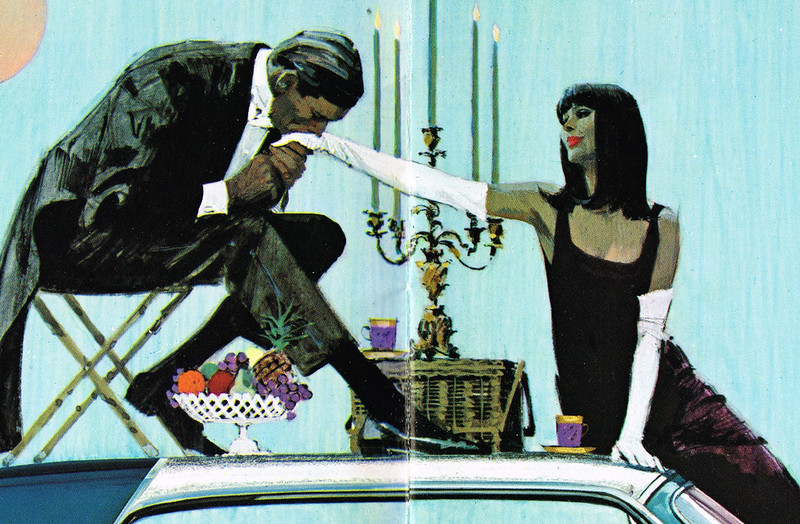
"At the beginning of the year, Will's students were shown three examples in one class. He always had photo reference and stressed its importance. All the instructors said the same thing: "Don't make a move without reference." Will showed us his preferred methods of creating mood suggestive of romance: a gentleman is painted in darker tones, is chiseled of feature, has shadows painted of shapes rather than details, and is drawn taller and larger than his female partner. She is crafted to appear delicate and pretty, usually large-eyed, wistful of expression and full-mouthed."
OCA Class Demo 02

Amanda continues, "We fourth-year students patiently and politely watched his demonstration, waiting for the right moment to ask to claim each artwork as a prize. (I was the most brash, and a split second after my request, the other two pieces were nabbed. We knew our beloved instructor was gold!)"
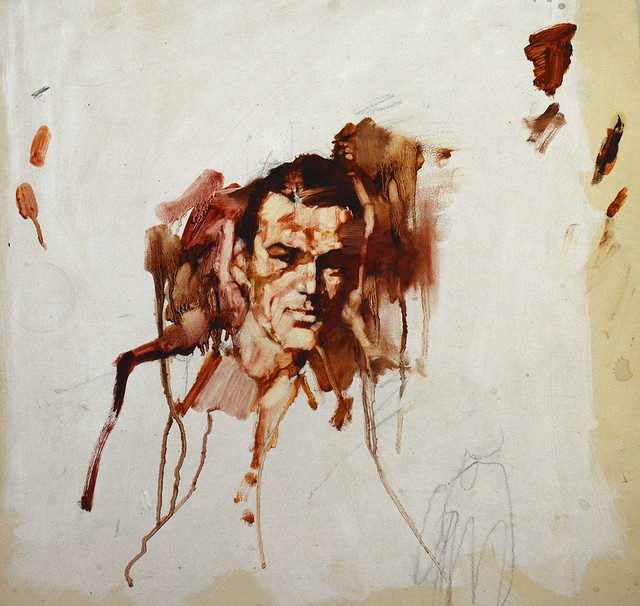
OCA Class Demo 01

Former student Tom McGhee also owns one of Will's demo pieces (above). Tom took a night class with Will many years ago and remembers asking if he could have the artwork at the end of one class: "I actually said to him, "So do we draw straws or what?" He laughed and said, "Do you want it?" I couldn't believe it and said, "Yeah, bloody right I do!" But I never asked him to sign it and I wished I had!"


Long-time professional comic book artist, writer and publisher Ken Steacy shared this wonderful appreciation of his former instructor that aptly describes what so many others have told me:

"I was among the fortunate few blessed with having Will Davies as an instructor while a student at the Ontario College of Art. This was long before they became a University, back in the days when the Communication & Design Department ruled the school with career-focused, skills-based training."
OCAposterComp

"His technical skills were formidable, and watching his rendering demos was a breathtaking experience. But even that paled by comparison to his draughtsmanship, and his eagerly-anticipated life-drawing classes were absolutely magical."
Davies172

"Our admiration for that skill was exceeded only by our respect for his mentorship. No matter how awful an assignment crossed his gaze, he would invariably find something to like about it, even if it was just that shade of blue in the upper left-hand corner. He would then critique the technique, composition, and drawing in the most constructive and affirming way."
Will Davies OCA

"Will is also one of the most urbane gentleman I’ve ever met. I recall seeing him one summer afternoon strolling through Yorkville sporting a white linen suit in the company of two tall blonde models, one on each arm. Little wonder we all wanted to be Will Davies when we grew up!"

~ Ken Steacy, AOCA 1978


There are only a few hours left to order your copy of The Art of Will Davies. Please visit our Kickstarter page.

Monday, June 29, 2015

The End... and a New Beginning

"Hey buddy; a studio space just opened up here. But it'll be gone by this afternoon... if you want it, you're going to have to grab it right now."

It was a call from my good friend and fellow storyboard artist, Jeff Norwell. Jeff and I had met on the first day of art college. Ten years later, our careers running very much along a similar path, we remained in close contact - even working occasionally on the same projects. Jeff had moved from an in-house job at McCann to "freelance-in-residence" at FCB, and more recently to 63A Yorkville Ave., the studio space shared by Will Davies...

Davies101detail

... Tom McNeely...

McNeely27.jpg

... and Roger Hill...

Hill03

... three of the biggest names in Canadian illustration at that time, as well as Vince McIndoe another very successful illustrator closer to our age.

I'd had my own freelance arrangement at Ogilvy for just over a decade at that point. Anybody who's ever worked in a high-pressure, fast-paced team environment like a commercial art studio can tell you; you spend so much time with the people there - sometimes more than than you do with your actual family - the studio becomes a second home. My friends and co-workers at Ogilvy were like a second family. The thought of leaving them and that place - making such a momentous decision on the turn of a dime - was heart-wrenching.

Davies168

On the other hand, how often in an artist's lifetime does an opportunity to be in close proximity to the greatest living illustrators of a generation come along? For most of us, perhaps never. So when it does, how can you say no?

And just like that, I jumped off the cliff: "I'll take it." I said.

Davies166

When I arrived at 63A, aside from Jeff and myself, everyone's doors were shut. That quiet I spoke of in my last post really pervaded the atmosphere. Coming from a noisy, bustling environment like the studio at Ogilvy where no doors ever seemed to be shut, it was a big change. Dropping in and hanging out for a chat and a coffee while working on an assignment was part of the culture. At 63A those closed doors and the general quiet atmosphere of the place seemed to stress that people wanted their privacy. It reinforced something I'd sensed time and again among the older generation of illustrators: that each artist had secrets - a certain technique, a connection with certain clients - and that those things should be cautiously guarded. I don't mean to suggest the other artists at 63A were unfriendly (although Roger was kind of intimidating at first) but socializing happened when people went out for lunch - not in the studio.

Davies166detail

But over time Jeff and I managed to bring the other guys out of their shells. Dropping in and sharing stories, observing each other at work and learning from each other became common practice, much to everyone's benefit and enjoyment, I think.

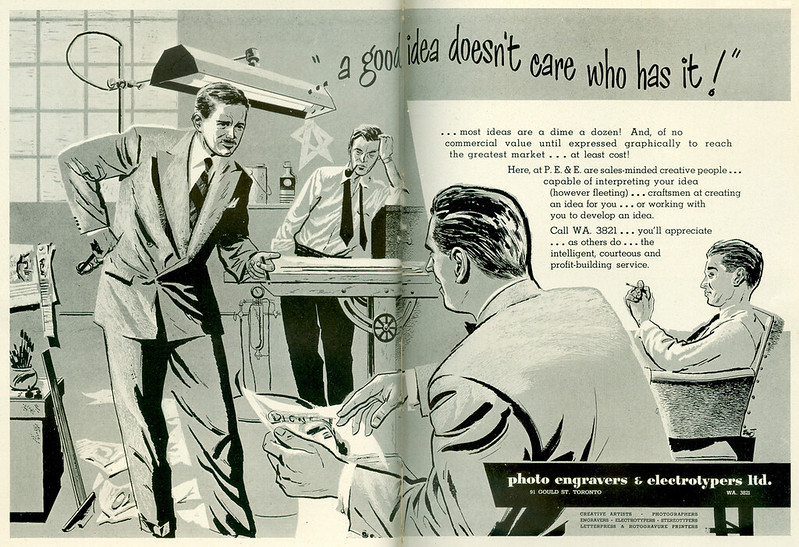
PhotoEngraversTorArtAnnual1949
(An ad for Photo Engravers, by an unknown illustrator from the 1949 Toronto AD Annual. PE is where Will found his first job after art college c. 1946)

And it was as a result of that greater camaraderie that I really came to know and appreciate Will Davies as a person as well as an iconic figure. At lunch or on a visit in my or Jeff's studio, Will would share wonderful stories of the good ol' days. When I would pull out folders of old magazine clippings by the likes of Al Parker or Coby Whitmore, Will would recall for us his trips to New York in the early '50s, his visit to Al Parker's house and to the Charles E. Cooper studio, where he had hoped to land a job. Over time Will became a friend.

Davies50

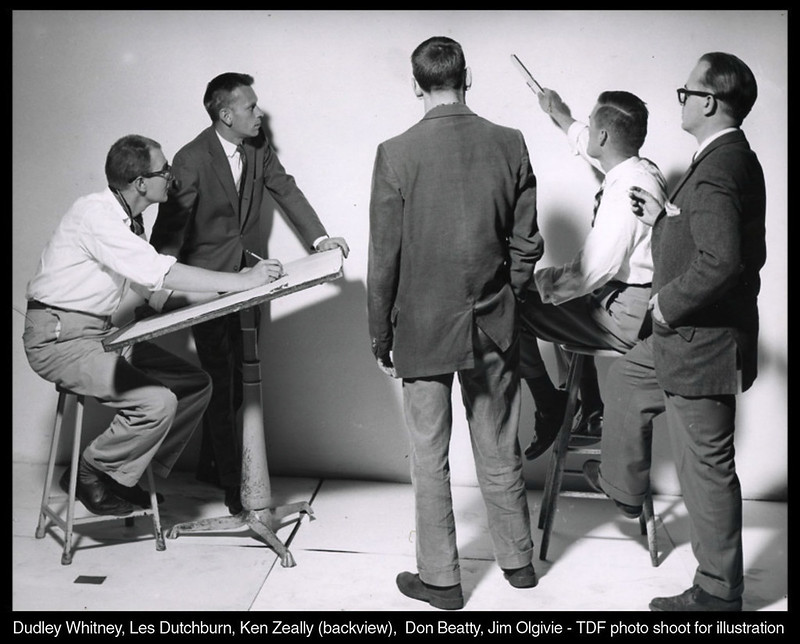
When I'd come back from a used book store with a stack of old Maclean's or Chatelaine magazines, we'd all flip through them together... Will and Tom stopping at pages displaying work by Oscar Cahen ("He was a genius") or Jack Bush ("Oh, I remember Jack!") and launch into a story about working for the magazines and ad agencies of the day, and what the business had been like in the era of the big art studios like ADS, TDF, or Sherman, Laws.

WillDaviesTDFStaff

Most wonderful of all were the occasions when Will would drop in while I was working on a job, inking a pencil sketch of some cartoon character or another. He's watch quietly as my brush swept along a curve and remark, "Boy, I just don't know how you do it. I could never do that." Can you imagine? The Will Davies graciously paying me a compliment, humbly suggesting he couldn't do what I did! Of course he could do what I did... Will Davies could do anything! But it was a kindness he regularly offered me when he didn't have to, and it always made my day to hear him say it.

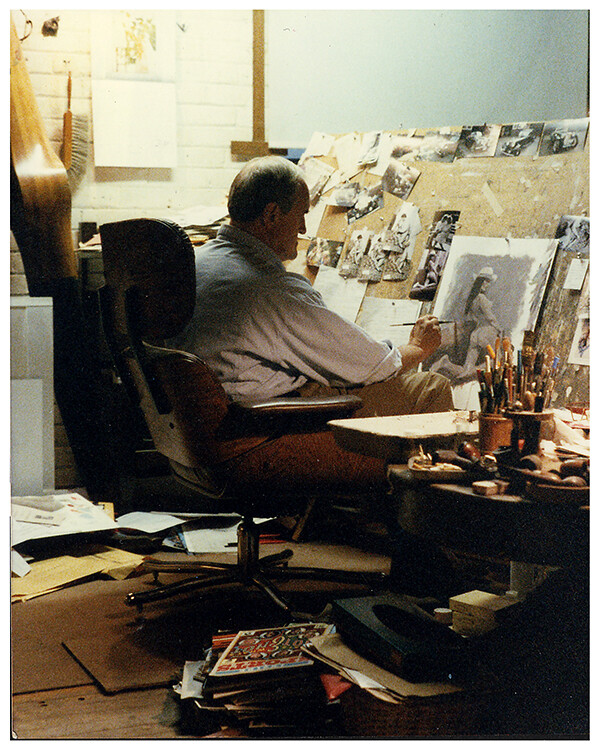
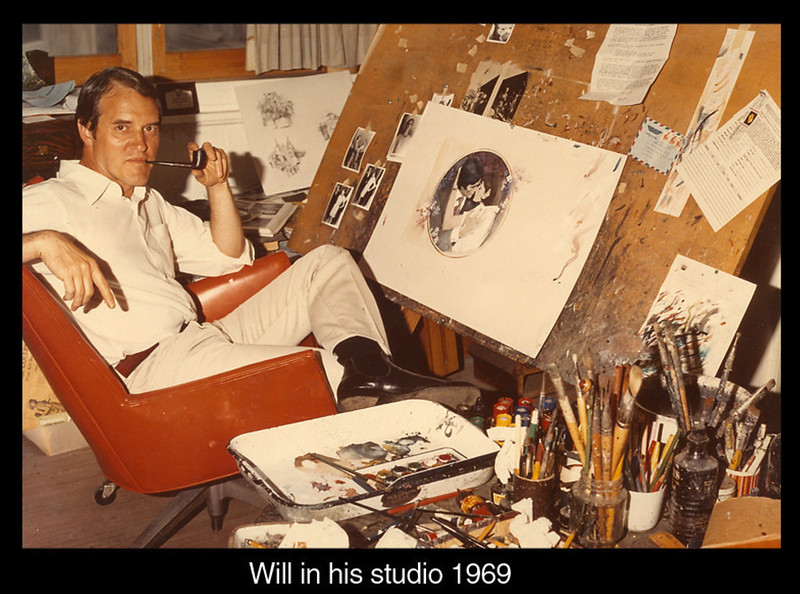
Will_studio_early90s_600pxl

At a certain point, when I had some down time, I decided to try my hand at painting gouache pin-up girls in the style of the great '50s Esquire artist, Mike Ludlow. Will was very helpful, checking in on me and offering tips on how to handle the paint. He was always encouraging - never critical. I learned a lot from Will Davies... and I was not alone.

Next time I'll share a bit about Will Davies' teaching career.

* If you're interested in acquiring a copy of The Art of Will Davies, please visit our Kickstarter page.
Wednesday, June 24, 2015

Today's Inspiration Returns! - With The Art of Will Davies

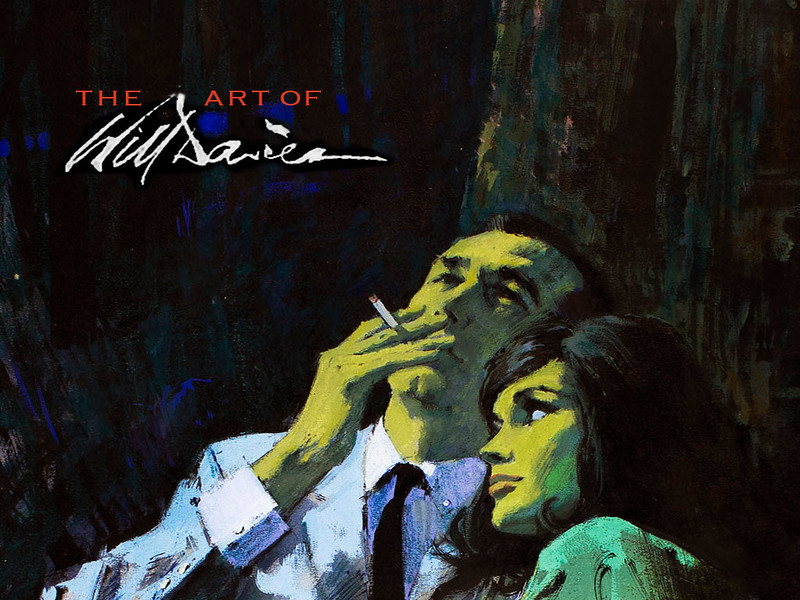
It's been a year since I put the Today's Inspiration blog on hiatus, but today I'm very please to turn the lights back on so I can share some exciting news with you: I'm in the midst of producing my first book, "The Art of Will Davies."

The Art of Will Davies

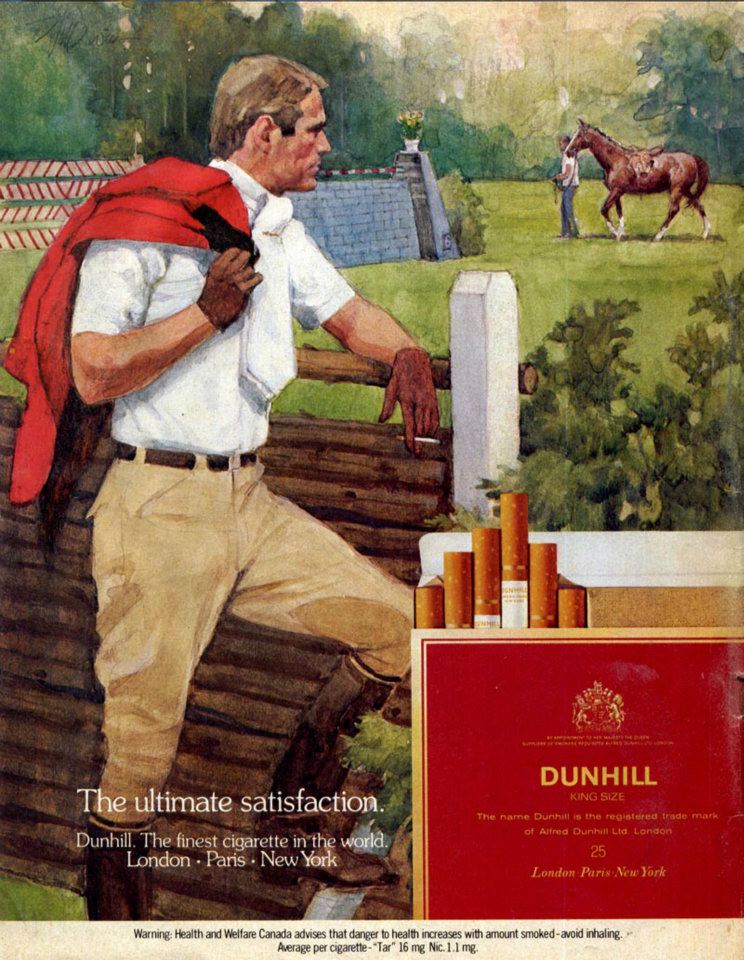
For those who don't know, my friend Will Davies was Canada's premier advertising illustrator for much of the mid-20th century.

Davies100

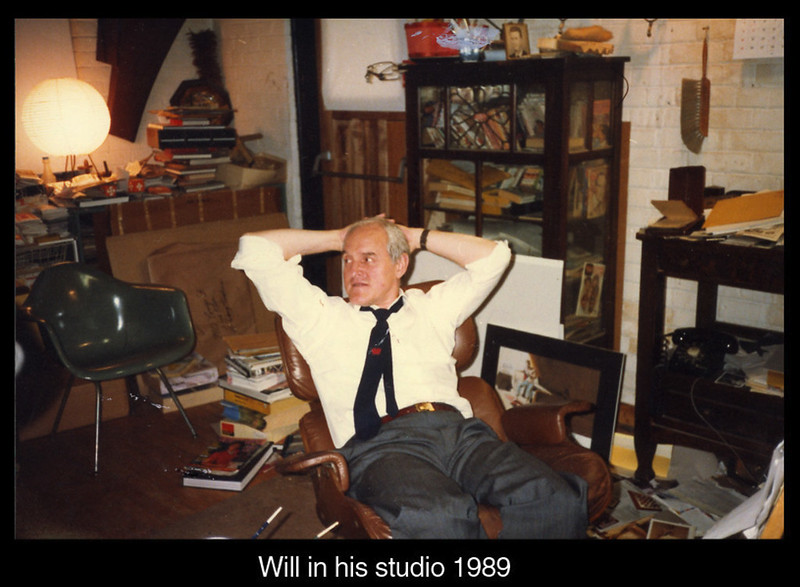
He was also my studio mate for several years in the late 1990s and, I'm happy to report, at age 91 Will is still going strong.

How to impress upon you the stature of this ever modest but tremendously talented, prolific artist. Let's put it this way: one day back in the late '80s, in the early years of my professional illustration career, I was having lunch in Toronto's tony Yorkville neighbourhood with my pal Dan Milligan. Dan and I both worked in-house at Ogilvy & Mather, cranking out storyboards and comps for the agency and our own freelance clients. After lunch Dan proposed we drop in on his old Ontario College of Art instructor, Will Davies.

Davies11

Drop in on Will Davies? I gulped (and probably sweated a little). I didn't think such a thing could be possible. It was like Dan had tossed his thumb over his shoulder and casually proposed, "Hey, God lives right here - whattaya say we drop in on him?" Will Davies was just that big. He was the biggest! The thought of just walking into his studio unannounced was incomprehensible to me.

So of course I said, "Sure."

The thing that hit you right away as you opened the door to 63A Yorkville Ave was the smell; a delicious aroma of pipe tobacco mingled with oil paints that seemed very out-of-time with the modern world swirling by beyond that door. It was cool in the front hallway, and not brightly lit, though there were tall windows facing an alleyway to the right. A wide, formidable staircase covered in worn gray carpet had to be climbed to get to the second floor landing. There, beyond an old ever-unattended reception desk, a narrow corridor branched off in several directions, doors at the sides and ends of each passageway.

Davies161

It was a quiet space. All doors were shut, and what was happening behind them was a mystery. There was no art in the hallway, no signs directing you to this studio or that one. You had to know where you wanted to go, and in Will's case, you had to go down that narrow hallway all the way to the back.

That's where silence turned to chaos, as a knock on Will's studio door returned a tremendous, fierce barking from Will's German Shepherd, Maggie. If that didn't unnerve you (and believe me, in the following years, after I joined the group at 63A, I saw more than a few couriers come flying back up that hallway once Maggie made her presence known!) then after a bit you'd hear Will's calming voice: "It's ok, Maggie, alright, it's ok..." and then the door would open a crack, Maggie would let out one last yelp, and you'd see Will holding her by the collar.

"C'mon in," he'd say, always graciously making time for visitors, no matter how busy he might be.

Davies159

Once the introductions were made, the dog settled, Will would return to his seat and you could at last step into this most awe-striking studio.

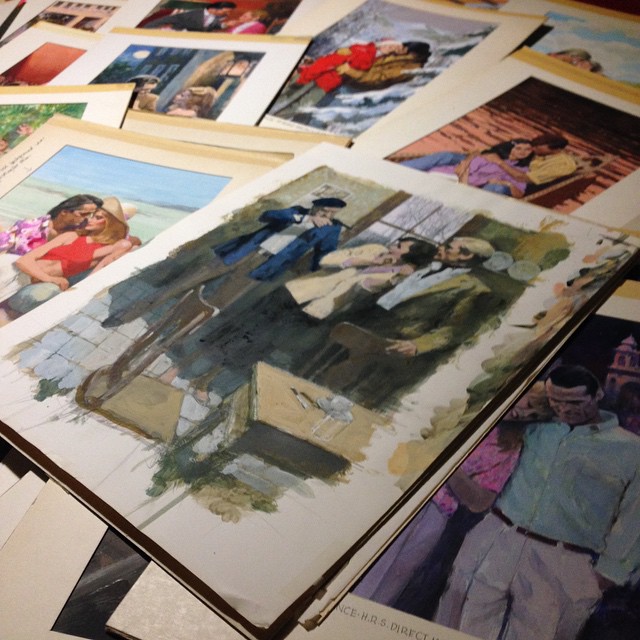
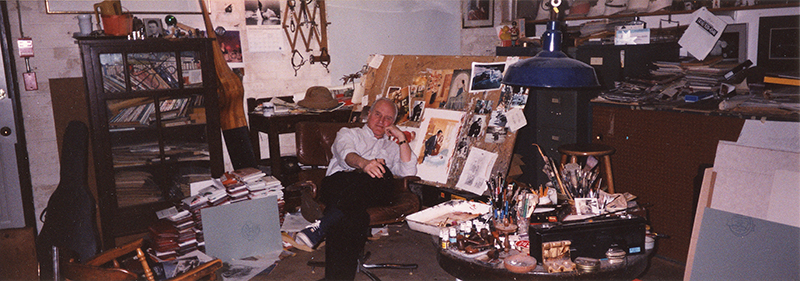
Will's studio seemed both immense and tiny. The room was large and the ceilings were high, but just getting in the door in any way other than single file was a challenge. There was a lot of stuff! Paintings were everywhere; leaning ten deep against walls, tables, easels, and stacked flat one on top of each other - so many layered together they formed pillars!

Harlequins

There were boxes of clipped reference and unclipped magazines waiting to be clipped. There were props and costumes from past jobs, a bookcase filled with illustration and art director annuals and a cot bed in one corner - though stacked so high with paintings, drawings, portfolio cases and various unidentifiable items that it must have been quite some time since anyone could have used it for napping.

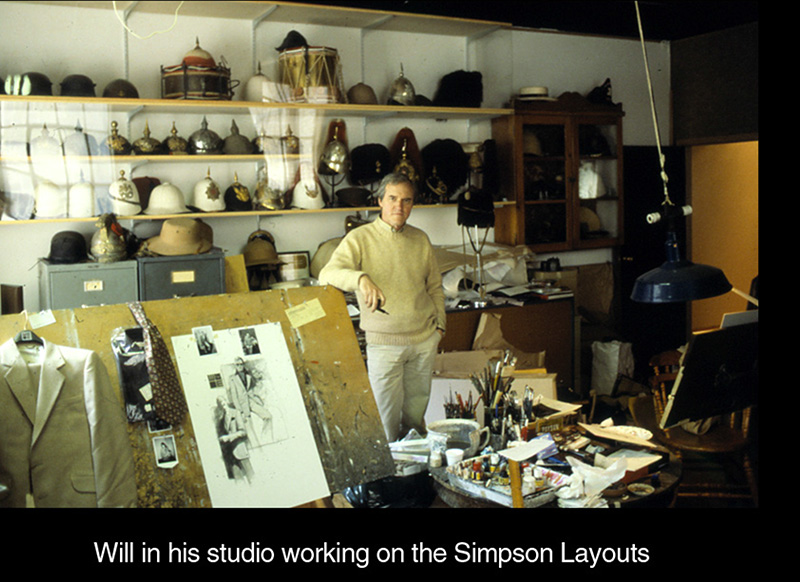
Will_studio_early90s_expanded_800pxl

Central to the room was Will's drawing table, his low, round materials table, and his chair - a funny, oddly out-of-place orange vinyl office chair of 1960s vintage that you could lean way back in. On the broad surface of the table beside his desk there were paint tubes, jars and bottles of all shapes and sizes, brushes, pencils, pastels and a large ashtray heaped high with the spent tappings of Will's pipe. That delicious aroma of sweet pipe tobacco (Will's personal blend) originated in this room, there was no doubt about that.

Davies51

Facing his desk, covering the entire wide expanse of the longer wall of his studio, was an impressive collection on three shelves of vintage military helmets. It was clear he'd positioned himself in the room so that any time he liked, he could glance up over his drawing table and enjoy the view of that wide expanse of rare headgear.

Davies69

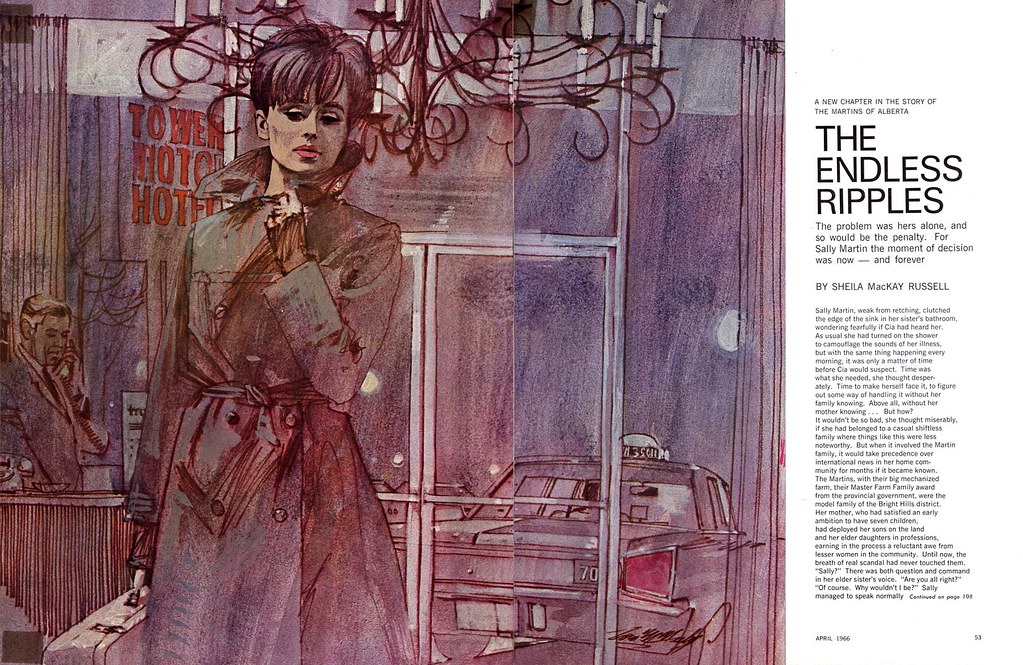
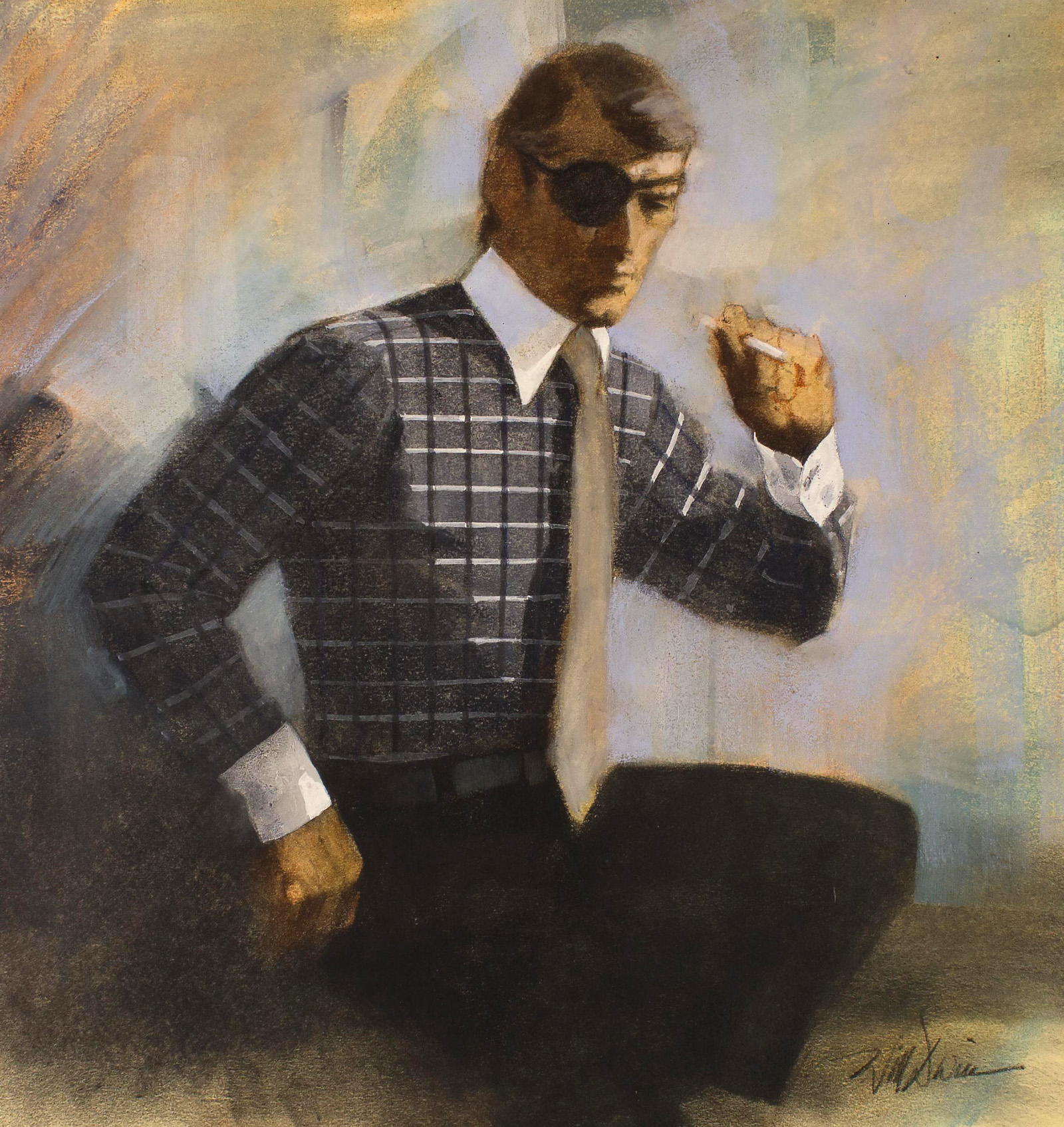
That day I stood by quietly, letting Dan and Will catch up while I soaked in my surroundings. I don't remember what was on Will's board that day, but of course, whatever it was, it was brilliant. And I'll be honest with you, I can say today, older and wiser than I was twenty-five years ago, that even though I knew who Will Davies was back then and had an appreciation for his status as a professional illustrator (art directors at Ogilvy revered his work on the Hathaway Shirts account) I really didn't appreciate how exceptional the quality of the work was. I was still too young and inexperienced - and too impressed with myself - to really understand how much I had to learn so that hopefully one day I might be half the artist Will Davies already was.

Davies163

And although I came away from that first encounter thinking Will Davies sure was a nice guy, and a humble, surprisingly modest person for someone of such obvious ability and proven stature, I really didn't grasp how important he was; to me, to the business, to his countless students - and to Canada.

Davies41

That realization would come later - and that will be the topic of my next post.

* If you're interested in acquiring a copy of The Art of Will Davies, please visit our Kickstarter page.
Friday, March 16, 2007

A Will Davies "How To" - Step 5: Finished Art

Having traced his drawing down onto his illustration board (he preferred Crescent or 5PK board) Will would begin to paint. "I'd look for shapes," he tells me, "that's the way I've always approached it -- finding the shape of an eye, the shape of the shoulder..."


Fifty years later, Will says he doesn't really remember if he had a standard method for doing black and white illustrations like this. He says he likely began by laying in the darkest areas with india ink, then mid-tones with ink wash, and finally his lighter areas. "I used three different white paints, each for a specific purpose,"says Will, "Liquitex white for thin washes (like the reflections on windshields), Opaque (Correction) White for highlights and other very white areas and a third one, I forget now, for mixing semi-opaque midtones. Probably white gouache."

The entire process we've looked at this week usually took Will about two days from start to finish. But of this multi-stage process Will says, "I gave it up later on. I found I liked my drawings better than my finished art. I lost all the zip, the vitality of the drawing, by tracing just the outline onto the board. That's why I began doing my drawings directly onto the board not long after this."

I asked Will how much he got paid for a job like this but he says, "I never knew what they were worth. TDF (the art studio where Will worked) gave me a guarantee - a salary - so I have no idea what they got for the jobs." Will remembers that he typically had several jobs on the go at any given time, including story illustrations for the handful of Canadian magazines being published back then.

"When Chatelaine magazine first came out the salesmen started bringing me jobs from them. But they only paid about $300 for a double page spread so they quickly dropped that stuff. They said, "you can have it." So I did all my magazine assignments directly for the clients. They [TDF] didn't want to know about it."

TDF had been started around 1944 by three partners: Tabler, the artist, Dulmage, the creative director (and, Will says, a real task master who had to give his approval to all finished art before it left the studio) and Feheley, the businessman of the trio. On the phone last night Will told me this amusing anecdote about one particular assignment:

"I was doing an illustration for ladies nylons. A closeup of a pair of woman's legs walking down the street. It was an ink drawing and I was never very good at those. I always had a hard time doing a nice line in ink. I kept having to add white to fix it up. Then I'd have to add more black to fix up the white... I was really struggling with it. It was a mess. Finally I took it to Dulmage for approval, expecting the worst - because he was tough. But he just took one look at it and said, "Now that's about the best use of white paint I've ever seen."

Thursday, March 15, 2007

A Will Davies "How To" - Step 4: Finished Pencil Sketch

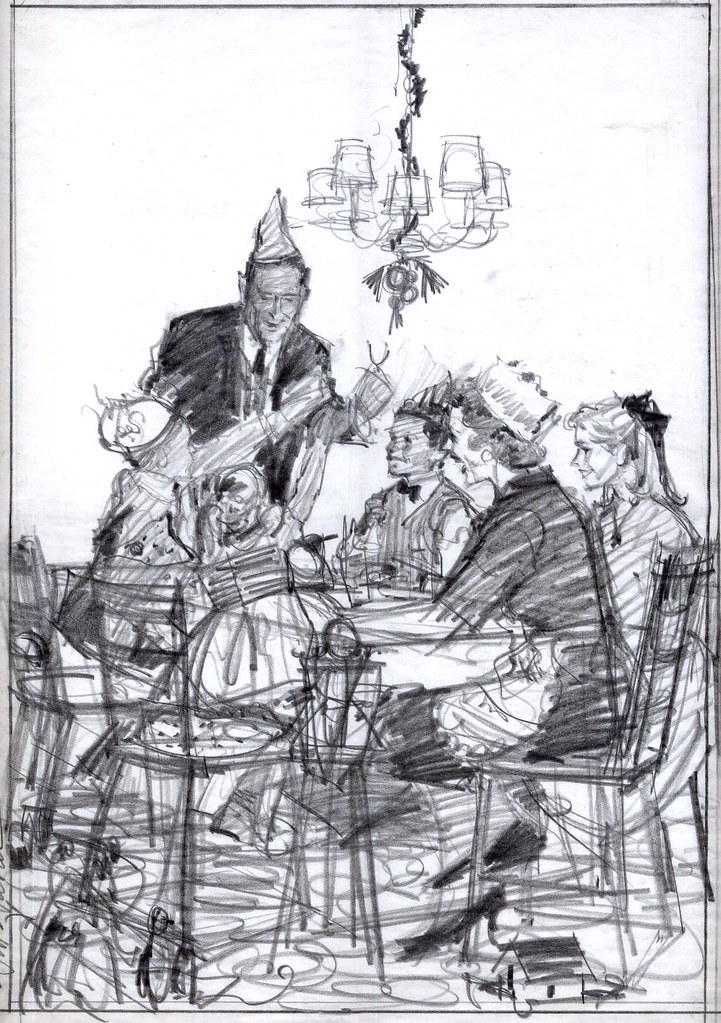
By comparing yesterday's pencil drawing with today's we can see that, while the earlier version established likenesses and began defining props and environment, it was more about exploring tonal values that might best work in the eventual finished illustration.


Once that stage was completed to Will's satisfaction, a final sheet of fresh bond paper would be laid on top - this would become the finished pencil sketch shown above. Now all important details of character and environment were clearly defined. Notice though that Will allowed some aspects of the composition to remain deliberately vague and that the drawing has an overall loose and energetic quality.

Will made sure that all the visual information needed was there - but that the drawing did not end up looking static and lifeless - as if it were carved in stone. Will always understood that the mind's eye enjoys filling in missing detail and bringing together loose ends. As well, the looseness allowed Will to continue to explore in the painting stage and prevented the finished art from becoming merely an exercise in rendering.

Finally, the back of the sketch was rubbed with a graphite stick or a 6B (very soft) pencil (you can see the dark shadow of the graphite on the back showing through in this scan). Will would then trace over the sketch with a hard pencil and in this manner transfer it to the illustration board on which he would execute the finished art.

Tomorrow we'll look at the finished illustration.

Wednesday, March 14, 2007

A Will Davies "How to" - Step 3: Rough Drawing

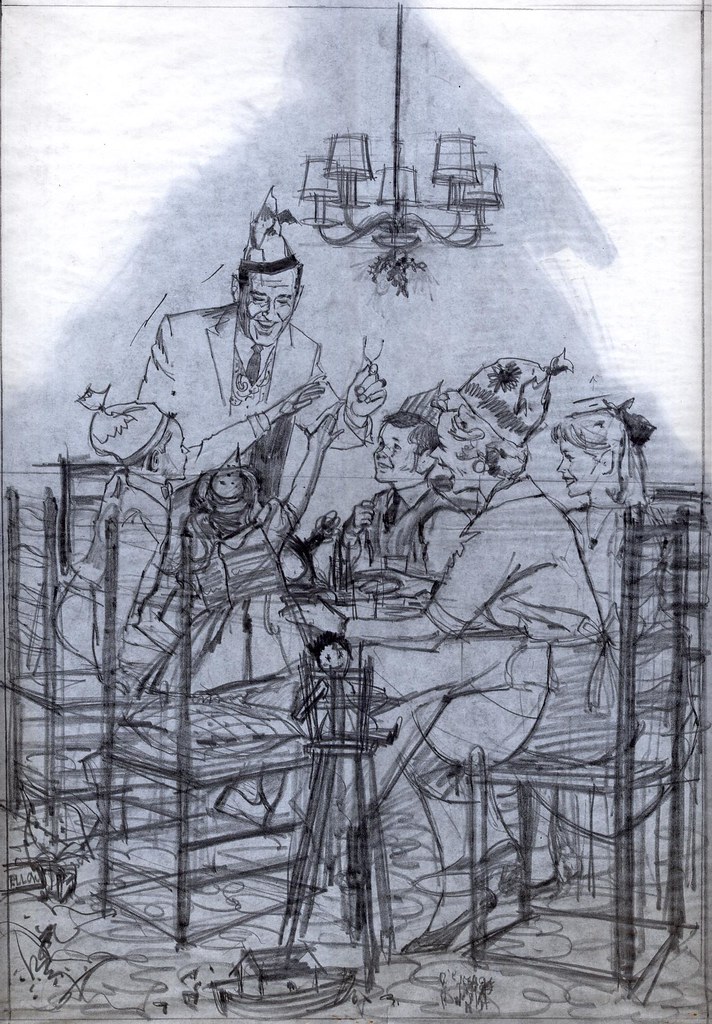
Having reassured himself that his composition was sound, that the figures were arranged correctly, Will would lay another clean sheet of bond paper on top. Now the real drawing would begin.


I asked Will if he would use the Lucie* to trace down the models in his reference photos, assuming that this would speed up the process, but Will says, "No, I never used the Lucie very much. I didn't find that it made things faster -- because then I'd have to correct all sorts of things that hadn't worked out in the photos. I found it was faster to just have my reference photos nearby to look at and then I'd just draw, correcting things as I went along. That was actually faster. And I liked drawing."

But even this third stage was not the final one before Will would begin the actual illustration. Tomorrow we'll look at the finished pencil stage.
* For those young 'uns who never used (or even saw) one, the Lucie - or camera lucida, also known as the Artograph, was a huge contraption of sliding arms, adjustable lenses and angled mirrors used in a darkened room to project a photo at the drawing board at whatever size the artist wanted. He could then trace out the projected elements onto his paper or canvas working surface.
Tuesday, March 13, 2007

A Will Davies "How To" - Step 2: Sound Check

"I always told my students (at OCAD) to give what they were going to draw a lot of thought. Try to see it in your head before putting it down on paper. But - and this sounds like a contradiction, I know - if it doesn't work then throw it out and start again."

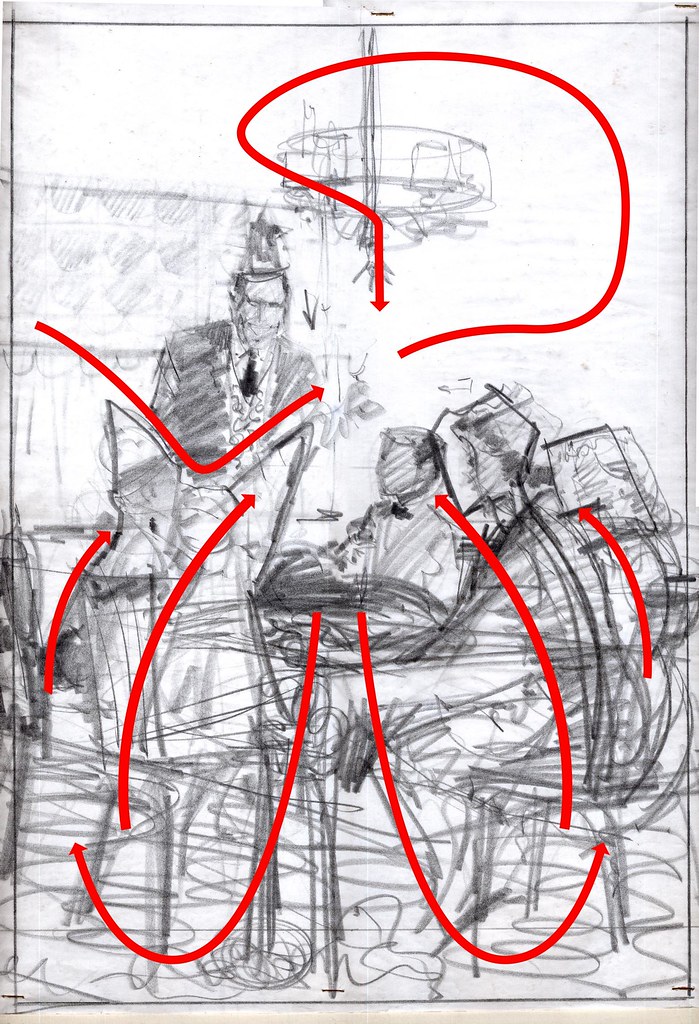
To that end, and in spite of feeling fairly confident with his rough sketch, Will would do a second rough on top of the first to check if his composition was sound. He calls this stage "checking the lines of movement".

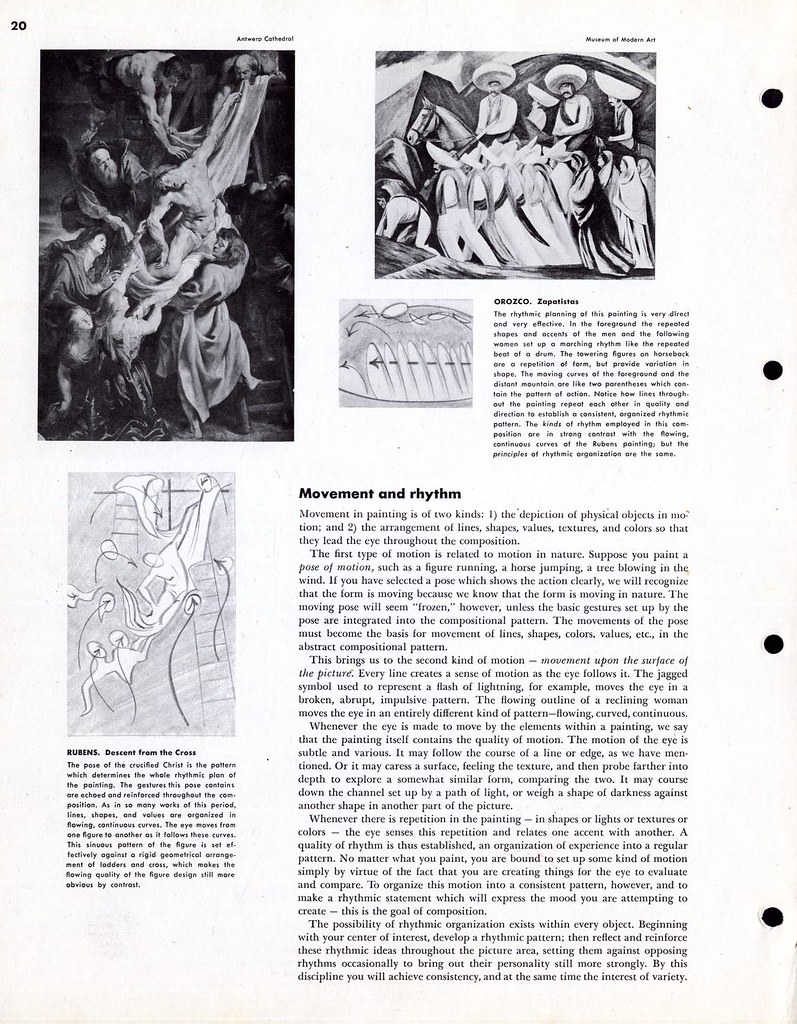
In the Famous Artists Course lesson on 'Composition' we learn that there are two kinds of movement in a painting:

1) the depiction of physical objects in motion

2) the arrangement of lines, shapes, values, textures, and colors so that they lead the eye throughout the composition.


Will would slip his rough under a clean sheet of bond paper and re-sketch the elements of his composition a little more clearly, looking for and emphasizing how the shapes and lines caused the viewer's eye to move subconsciously through the picture and find the focal point.

Again from the FAS course:

Whenever there is repetition in the painting - in shapes or lights or textures or colors - the eye senses this repetition and relates one accent with another. A quality of rhythm is thus established, an organization of experience into a regular pattern.

By superimposing these red lines over his drawing, we can see how Will determined in his second rough that he had indeed established movement and rythm in the overall composition:


This is also the point at which Will would more accurately organize his elements. In the case of this illustration, Will moved some figures so that none of the faces of the people at the table are obstructed by the limbs or bodies of others in the foreground, which, if you scroll down to yesterday's post, you can see was happening in the reference photos.

You can examine these images more closely in my Will Davies Flickr set and my FAS Flickr set.

Monday, March 12, 2007

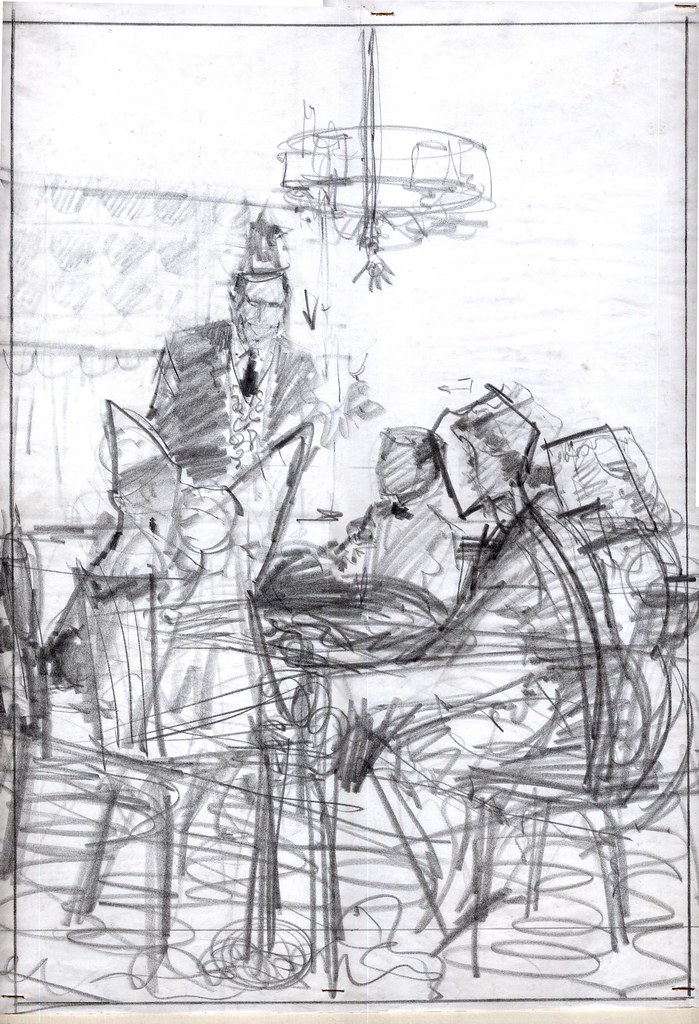
A Will Davies "How to" - Step 1: The Layout

Some long time readers may recall the series last year on my friend, Will Davies. At the end of that week of posts last May I had a request from Ward Jenkins of Ward-O-Matic fame for a Will Davies "step-by-step". Happily, I can now fulfill that request: Some years ago, several Toronto graphic arts professionals who were tops in their field were asked to do a lecture series at The Ontario College of Art and Design. Will prepared the sequence we'll be looking at this week for that lecture series.


Last week I enjoyed a long lunch with Will, my younger son, Simon and good buddy, René Milot at a restaurant in Toronto near Will's home. After lunch we returned to Will's place for a quiet conversation in which Will generously explained the details of how he worked on commercial assignments in the 50's and 60's. "This is pretty early on," Will remarked when I showed him the photocopies I had brought with me, "Later on I didn't bother with all this. I'd just rough it out directly on the board or canvas and send that over to the client for approval."

Still, this earlier system Will employed represents a valuable lesson in how to properly develop a piece of finished art. And for me at least, even the roughest sketch provides an inspiring example of how a talented hand creates a strong, energetic and sound composition - something we should all thoughtfully strive for in our own efforts.


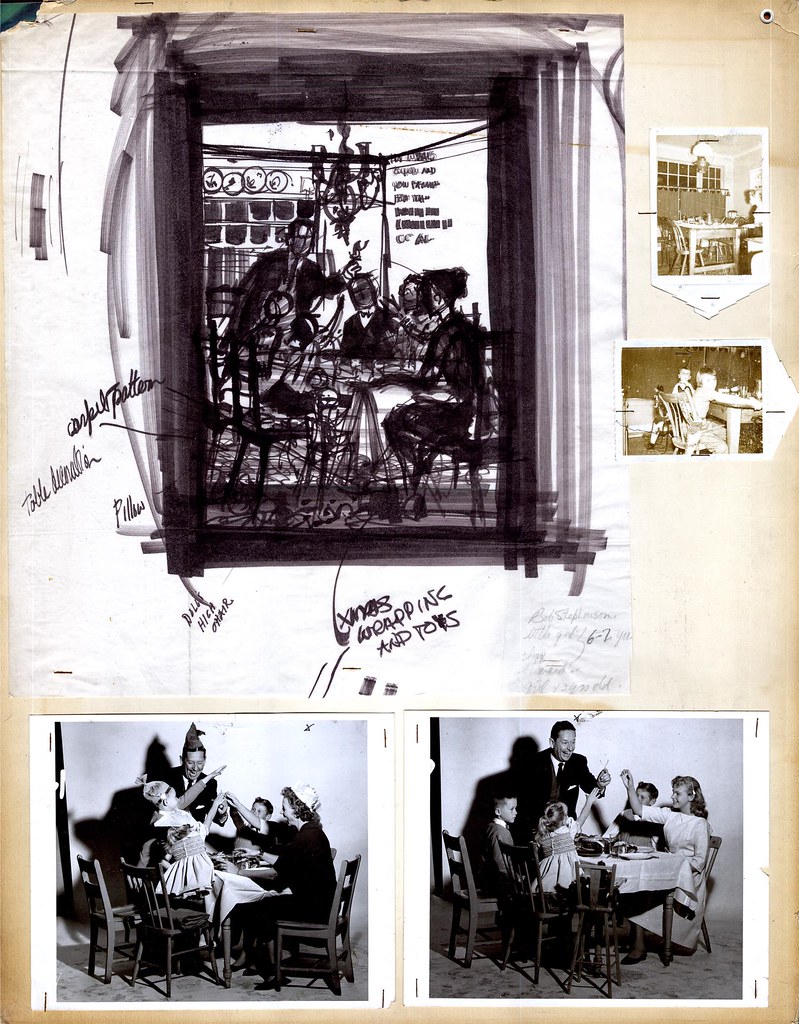
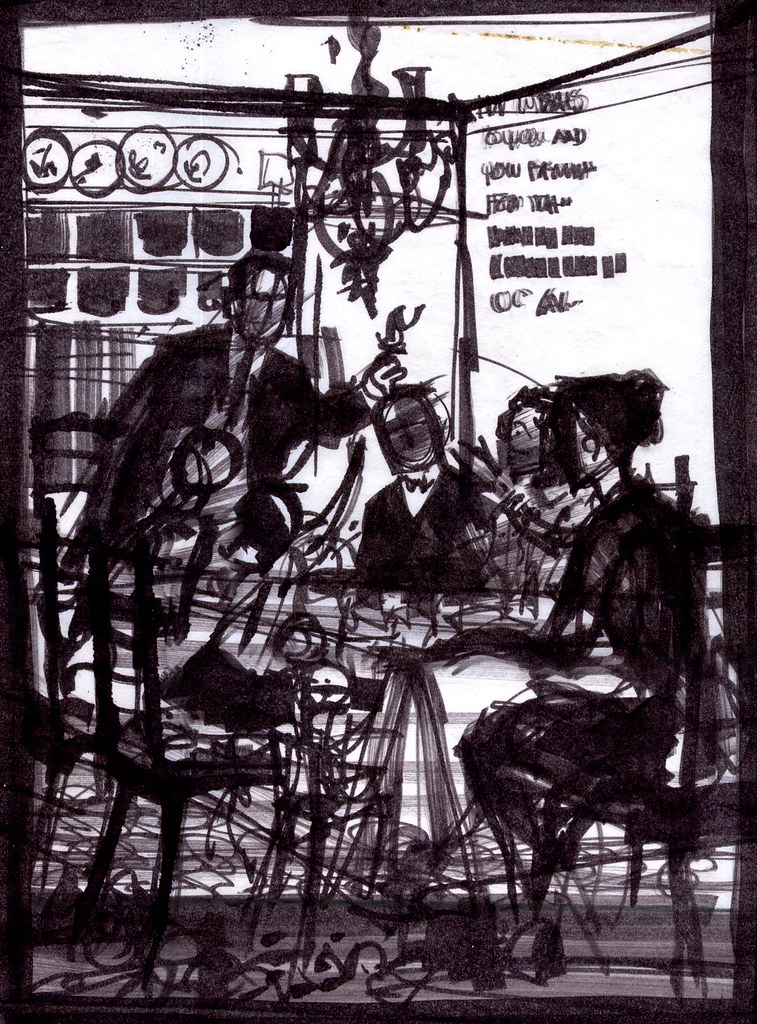
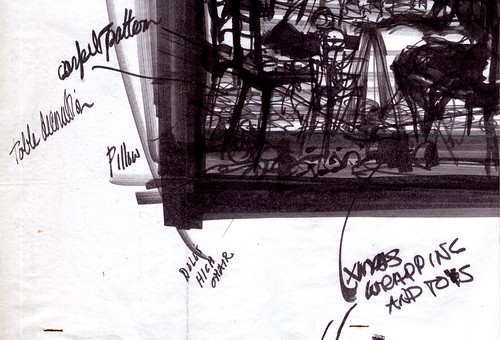
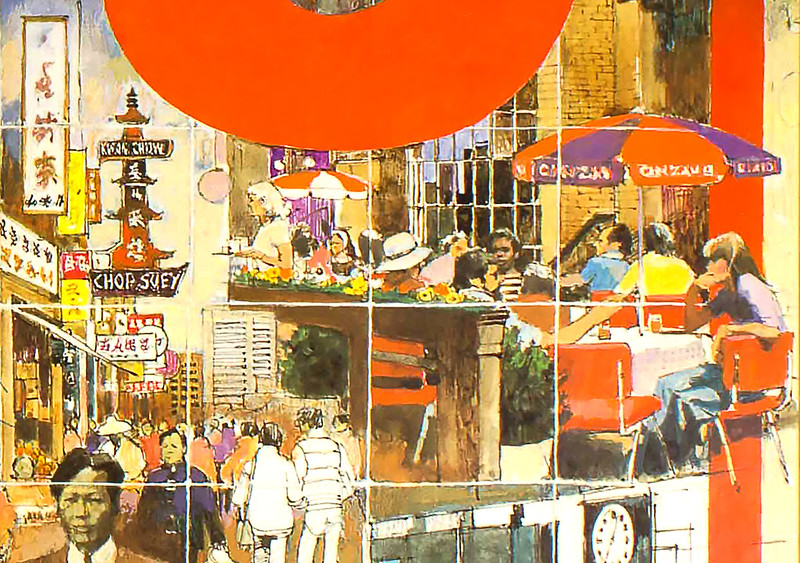
During the late 50's/ early 60's Will did quite a few full page newpaper ads for the major department store chain here in Canada, the Hudson's Bay Company. These ads typically centred around holiday themes - and in this case, it would appear from the notes dashed in on this rough that the theme was "Christmas".


Will says that, although these assignments came to him via The Bay's ad agency, he usually was given the freedom to come up with his own idea for the scenario. "Some people call them thumbnails," says Will, "but I never did thumbnails. I'd think about it for quite a while, doing thumbnails in my head, then, when I finally did do a rough sketch, it looked pretty much the way I wanted it to. Hopefully!"

I asked him if this first rough was done in magic marker but he insisted, "No. Pastel. Magic markers came later - and I hated them." Will told me that he liked the subtlety of pastels. Markers, he says, were too confining. "Once you put a line down, you were stuck with it. I had to use them for a time when they loaned me out to a studio in Detroit. But other than that one time, I never used them."

* In spite of Will's insistence, I still think this particular rough is done in magic marker, perhaps at a later date is preperation for his lecture demonstration.

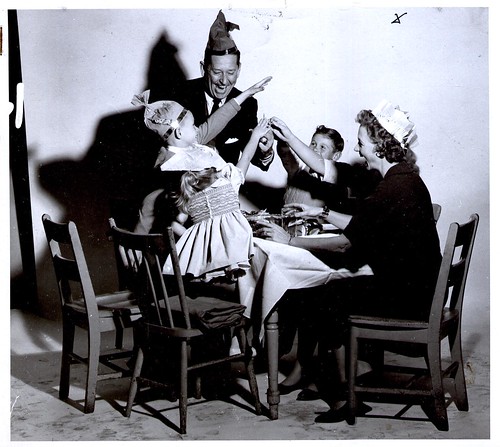
Once Will was satisfied with the general idea he had sketched out, he then went about preparing to shoot models , props and scenery. "That's Bud Feheley's wife as the mother," Will said, pointing at the lady in the photo.


Feheley was the "F" in TDF, the art services studio were Will was employed as top man in the illustration department at the time. "I asked for her for the mother. She had the perfect look. The others are all hired models... no, wait -- that's Kerry, my youngest daughter! I had forgotten about that ... we shot this scene in my home at the time, in Scarborough."


Will says that he would describe the scenario to his models and then have them act it out. He'd then moved around taking shots - sometimes capturing happy accidents that would find their way into the final illustration. "Usually I'd shoot a couple of rolls and end up with one or two good shots - the rest I'd throw out."


For example, the variation above with a teenage daughter instead of the mother that did not make it into the final cut.

You can examine these images more closely in my Will Davies Flickr set.

Friday, May 19, 2006

Will's Women


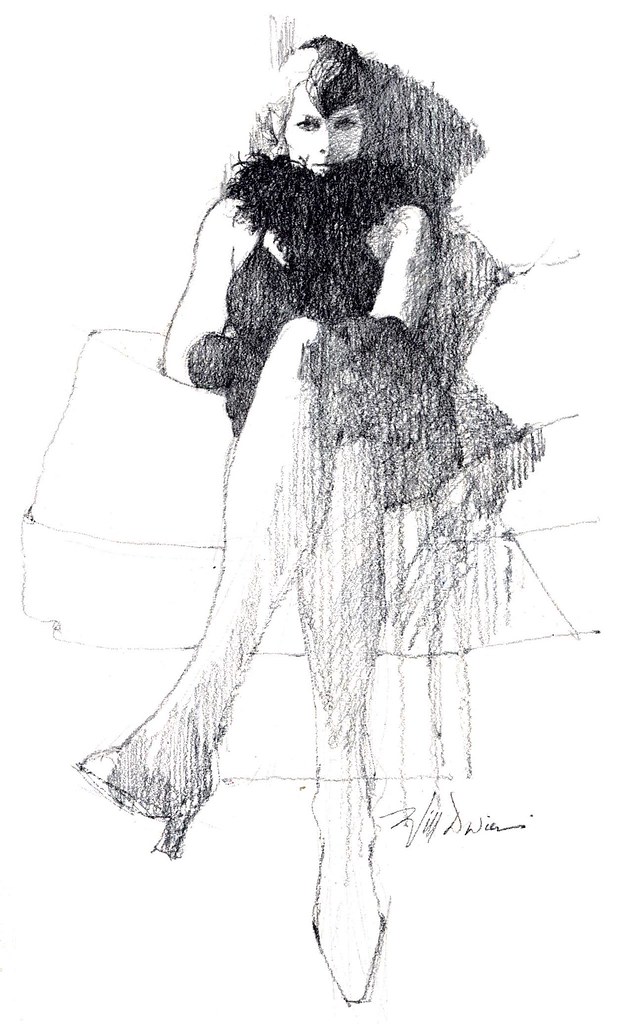
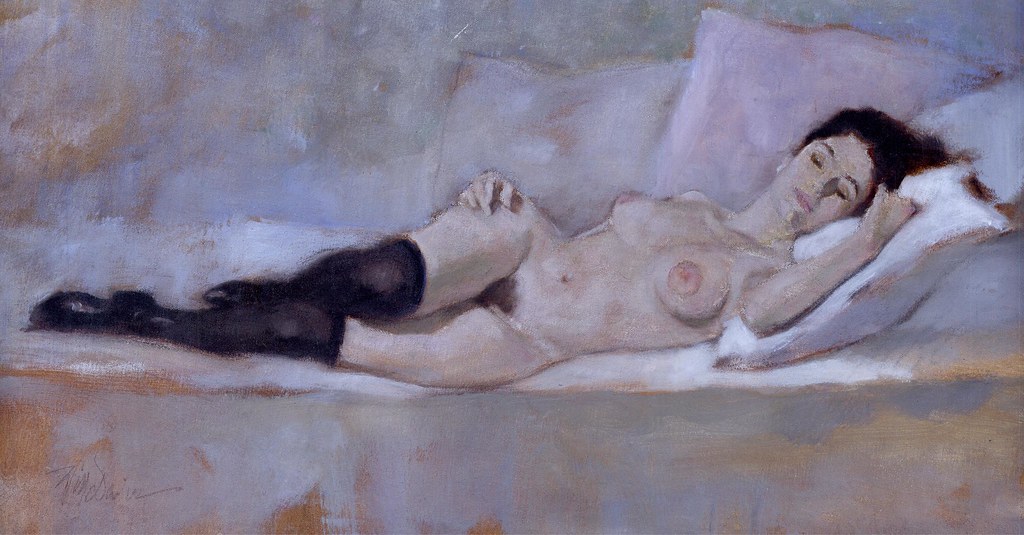
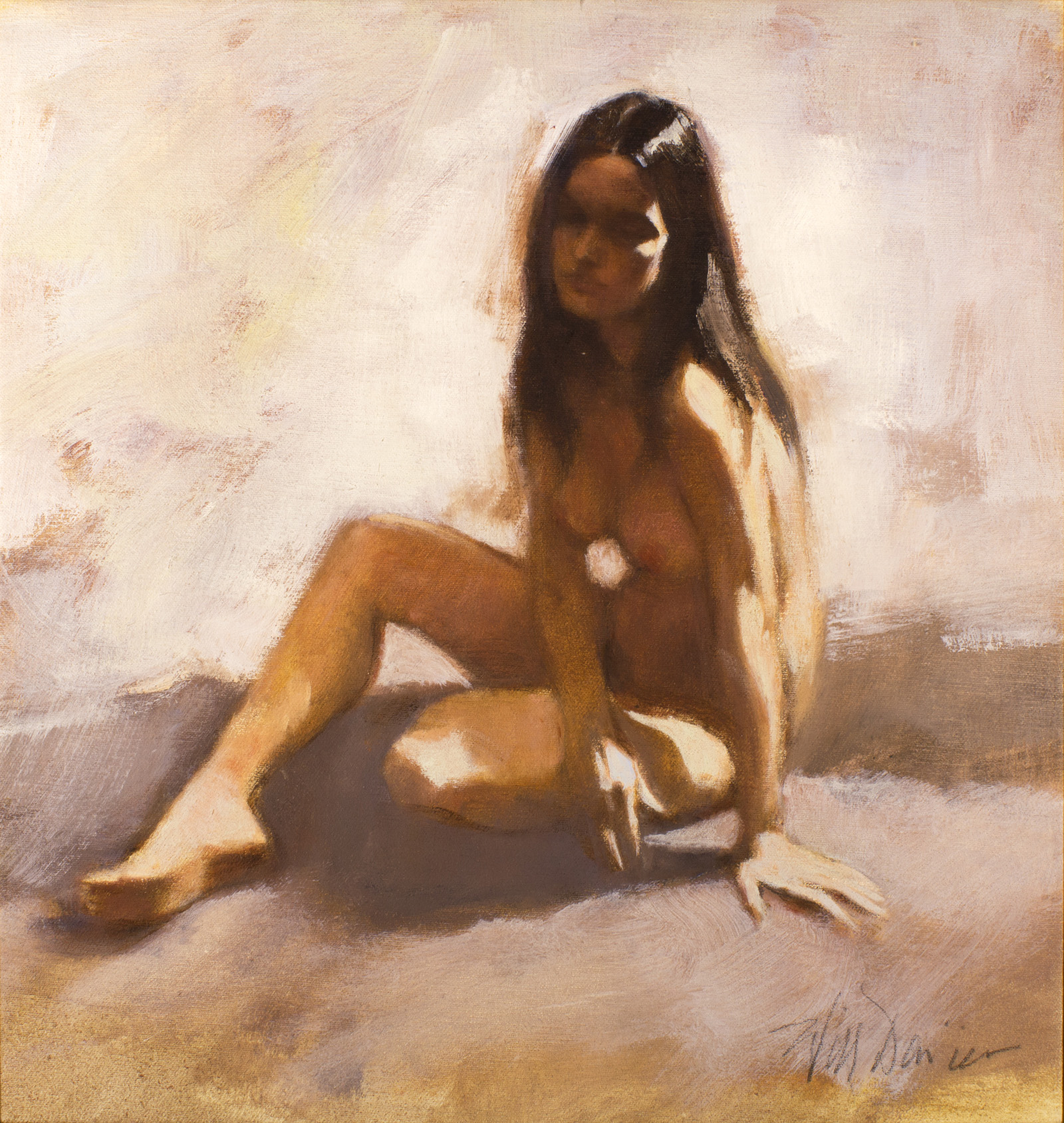
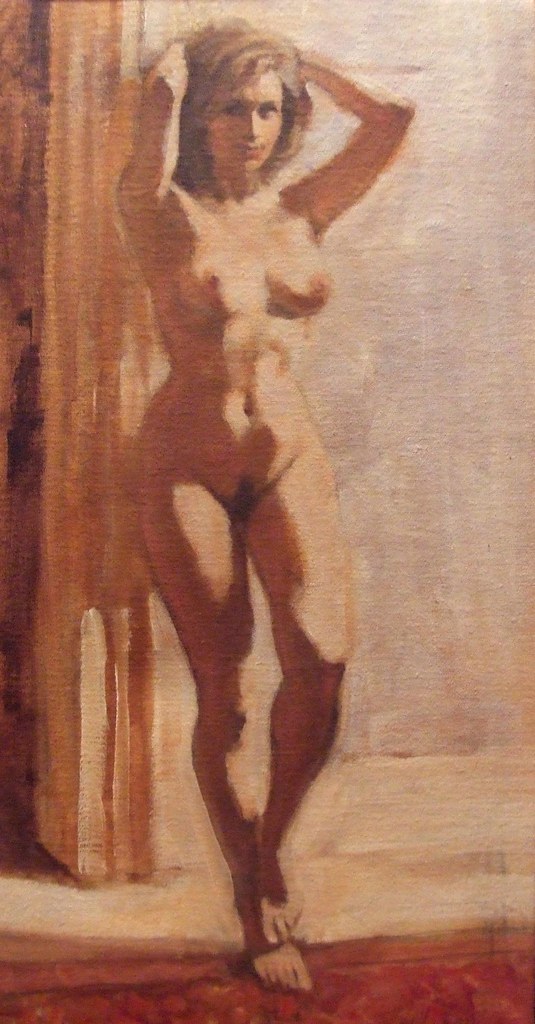
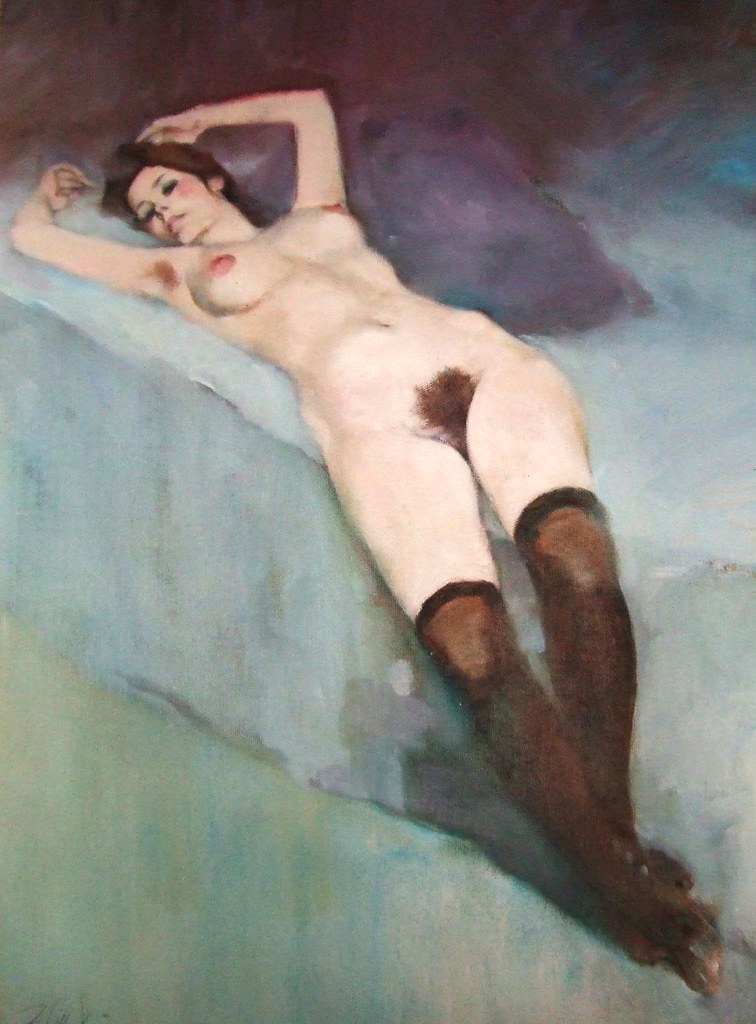
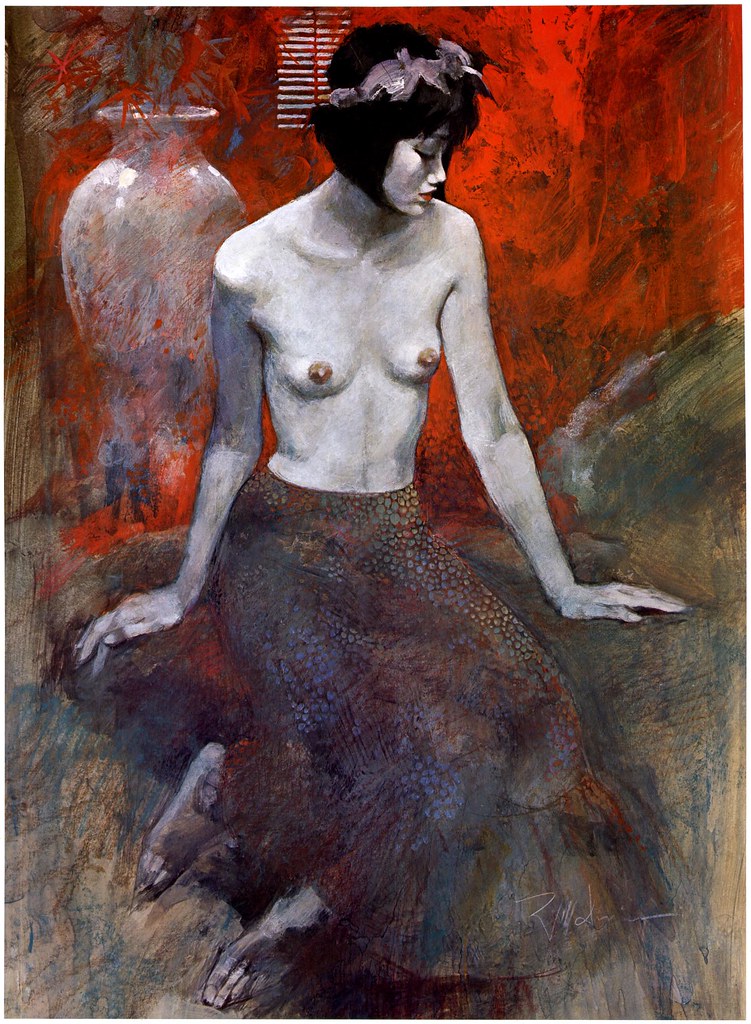
It should come as no surprise that Will Davies loves to draw and paint nudes of beautiful women. What came as a pleasant surprise to Will was that many beautiful women love to be drawn and painted nude by him!

Sometimes it was a fashion model hired to pose for a commercial assignment, sometimes it was one of his students at the Ontario College of Art, sometimes it was a friend, or a friend of a friend. Once they saw the nudes Will had done, displayed around his studio or often simply stacked in a corner, those women could imagine themselves interpreted through Will's paintbrush as dreamy satin dolls.


Will doesn't recall the exact date, but remembers, "It was during Watergate." TDF salesmanager Clayton Sloane had previously secured a few freelance assignments for Will from a Chicago art representative. The two men decided to take a few days to visit with that rep and see if more work was available. On that trip, Will showed Sloane a slide of the new piece - his spectacular nude - and Sloane suggested they try getting a portfolio interview at Playboy.

Will can't remember if they met with Playboy AD, Art Paul, but the magazine was very interested in using the piece. They kept slides on file and said they'd be in touch.

Two years passed and then, out of the blue, a call: did Will still have the piece? Playboy wanted to know. They still wanted to find a use for it. "But that was it," Will says, "after that, nothing. They never called back."

Not finding a publisher for his nudes didn't stop Will. He painted them for his own pleasure and showed them at exhibitions. They were much admired by all - Will's reputation for interpreting feminine beauty only increased.

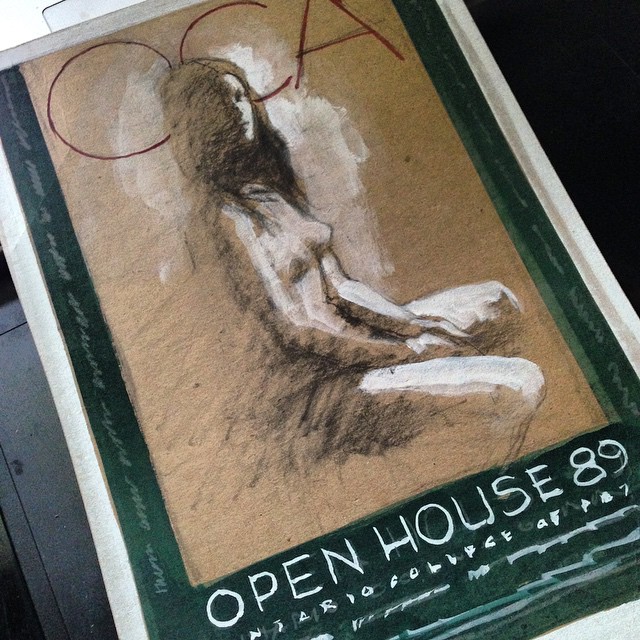
But then came a controversy. Will had been teaching at the Ontario College of Art for some time. His figure painting class was a perennial favourite with serious students. During an awards dinner, the president of the college approached Will and asked him to do that year's open house poster. "I told him, only if I can paint a nude for it." He said fine.

I remember seeing that lovely piece in the window of a Toronto art supply store. A seated nude from behind. But there was talk that a militant feminist faction within the college had been outraged by Will's "offensive" poster.

"I was doing something in the school library one day," Will told me, "and this one girl [a female student] came up behind me. She says, 'You're the guy who did that horrible poster, aren't you?'"

In his own defence (and in a rare and tiny show of conceit) Will replied, "Sorry, but I'm too old and too big to care what you think."

Happily, what most people think is that Will Davies has a great respect and an even greater affection for the female form.

"And," says Will, "that poster went on to be the best selling one the college ever put out."